
Labuan Bajo and Komodo National Park Travel Guide
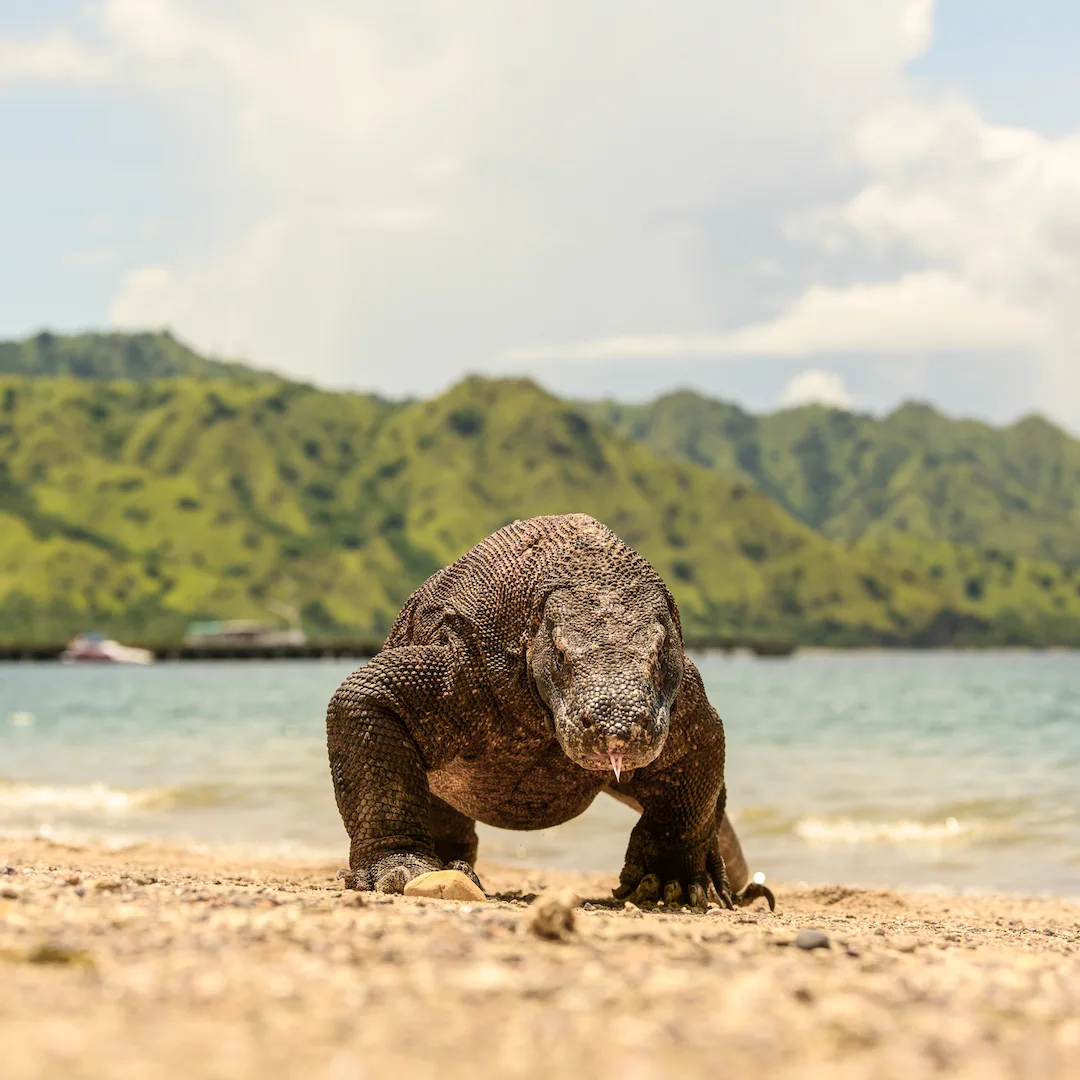
Flores Island Travel Guide to Labuan Bajo and Komodo National Park: Ports, Islands, Day Trips and Short Stays
This Labuan Bajo Komodo National Park travel guide is rebuilt every season against what actually runs in western Flores. Labuan Bajo is your launchpad for dragons, coral walls, current-swept channels and short island escapes, and it connects easily with the overland Trans-Flores route.
Labuan Bajo changed fast in the last decade: a small fishing town turned into one of Indonesia’s most important marine gateways. That means more flight options, better hotels and also higher expectations about safety, park fees and crowd levels. Below is what actually works on the ground in 2026.
1. Labuan Bajo at a Glance: Ports, Town Layout and Who It Suits
Think of Labuan Bajo as a long waterfront strip. The fishing harbour and main tourism jetty sit along Jalan Soekarno Hatta, running north–south with dive shops, boat operators, small cafes and warungs lining the road. The airport is 10–15 minutes inland by car.
- Main harbour: public ferries, wooden liveaboards, day-trip boats.
- Marina / tourism pier: speedboats, phinisi boats, some liveaboards.
- Town hill area: budget to mid-range guesthouses and homestays.
- Outskirts & bays: higher-end resorts with private jetties or shuttle boats.
This is the right base if you are:
- A diver aiming for high-current, big-fish Komodo sites.
- A short-stay traveller with 3–4 days for dragons, Pink Beach and Padar.
- An overland Flores traveller starting or ending a Trans-Flores run from Maumere or Ende.
For a broader Flores context, including Kelimutu and inland villages, this page links to our main the Flores Island travel guide on Flores Island Travel.
2. How to Reach Labuan Bajo and Maumere in 2026
Labuan Bajo and Maumere are the two main flight gateways to Flores. Labuan Bajo for Komodo National Park and western Flores; Maumere for Kelimutu and the eastern half of the island.
Flights to Labuan Bajo (LBJ)
From Jakarta (CGK) and Denpasar/Bali (DPS) you usually have several daily flights on Indonesian carriers, with a flight time of about 2 hours 30 minutes from Jakarta and about 1 hour 15 minutes from Bali. Schedules shift year to year, but by 2026 we expect:
- Multiple daily Bali–Labuan Bajo flights in high season (June–September).
- At least 1–2 Jakarta–Labuan Bajo flights most days.
- Occasional Surabaya or Kupang connections depending on airline strategy.
Flight delay is common in the late afternoon. We recommend arriving in the morning and not planning critical boat departures the same day as a tight connection.
Flights to Maumere (MOF) and Ende (ENE)
Maumere is the main eastern gateway, Ende the functional entry for Kelimutu.
- Bali–Maumere: usually 1 daily flight, sometimes more in July–August.
- Bali–Ende: often 1–2 flights per day.
- Maumere–Kupang / inter-island: useful if you’re linking Flores with Timor.
For Trans-Flores road trips, the cleanest direction is flying into Maumere, heading west via Moni (Kelimutu), Ende, Bajawa, Ruteng, then finishing in Labuan Bajo for Komodo. That way you “save” dragons and islands as the finale.
For context on Flores as a whole, and rough money guidance, see our booking page resources on costs and cash access.
3. Inside Komodo National Park: Key Islands, Routes and Regulations
Komodo National Park covers a large protected marine and terrestrial area west of Flores. It includes Komodo, Rinca, Padar and many smaller islands. Background reading is available on Wikipedia, but here’s how it works day-to-day.
Where you actually go
- Rinca Island (Loho Buaya area): reliable Komodo dragon sightings on guided walks; improved boardwalks and viewpoints.
- Komodo Island: longer walks, more savanna, a sense of scale; often combined with Pink Beach stops.
- Padar Island: famous ridge hike with sea-lake views; 30–45 minutes uphill on a stepped path.
- Pink Beach / Long Beach areas: soft corals near shore, easy snorkelling.
- Manta Point / Makassar Reef: drift snorkel above manta cleaning stations on the right season and tide.
Park fees and ranger rules
Komodo National Park fees change periodically and can vary for domestic vs foreign visitors, weekdays vs Sundays/holidays, and for different activities (trekking, diving). In 2024–2025 we see combined day-use totals often in the range of a few hundred thousand to around a million rupiah per person once all components are added. For travellers on a budget, sharing boat tour packages are published from USD 300 per person for the standard three-day, two-night voyage, against from USD 90 per person for a shared one-day speedboat run.
By 2026, we expect the structure to stay similar even if the numbers adjust. Two tips:
- Check the latest fee breakdown with your boat operator before you pay the final balance.
- Always bring enough cash in rupiah; card facilities at ranger stations can fail.
All walks on Komodo and Rinca are with rangers. Stay behind the guide, keep at least 5 metres from dragons, and avoid crouching low or separating from the group for photos.
4. Day Trips and Short Stays from Labuan Bajo
Most visitors use Labuan Bajo as a 2–4 night base for Komodo National Park. Here’s how the main options break down.
Fast-boat day trips (1 day)
If time is tight, a speedboat loop covers the headline stops in one long day. A typical route:
- Early start from Labuan Bajo (around 06:00).
- Padar Island hike for sunrise or morning light.
- Komodo or Rinca for dragons (depends on operator permits and conditions).
- Pink Beach or Long Beach for snorkelling.
- Manta Point if currents and sightings cooperate.
You’re back around late afternoon. It’s an efficient snapshot; it is also a long, busy day with early wake-up, sun exposure and lots of boat time.
Overnight boat trips (2 days / 1 night or 3 days / 2 nights)
At least one night on a boat is the better trade. You gain early-access timing, sunrise and sunset sessions, and slower pace. Common itineraries:
- 2D/1N: Padar hike, snorkel at Pink Beach, night on board near a calm bay, dragons at Komodo or Rinca, final snorkel on the way back.
- 3D/2N: adds extra snorkel reefs, more chance to time Manta Point, maybe a quieter island like Kanawa, Siaba or Sebayur.
Boats range from simple wooden cabins with fans to well-appointed phinisi vessels with AC cabins and private bathrooms. Always check:
- Maximum guest number vs cabin configuration.
- Safety gear: life jackets for all, radio, basic first aid, crew experience with currents.
- Clear inclusions: meals, snorkel gear, drinking water, park fees or not.
Land-based short stays around Labuan Bajo
If boats are not your thing, base in town and cherry-pick day activities:
- Half-day or full-day snorkelling trips to nearby islands.
- Sunset hill viewpoints above town.
- Half-day Cunca Wulang canyon or local caves (Batu Cermin) when water levels allow.
Flexible combinations of town, sea and overland legs are designed and quoted by Komodo Luxury, the licensed operator that fulfils the trips referenced here. This guide maps the options; it does not build, price or sell the trip.
5. Diving and Snorkelling in Komodo: Sites, Seasons, Safety
Komodo is one of Indonesia’s classic dive regions, alongside Raja Ampat and Cenderawasih Bay. Strong currents shape the diving here, and that’s where both the magic and risk lie.
Main dive areas
- North Komodo: sites like Crystal Rock and Castle Rock with schooling fish, sharks, and fast currents.
- Central Komodo: Batu Bolong, Manta Point, Siaba; mixture of walls, pinnacles and manta cleaning stations.
- South Komodo & Padar: cooler water, high nutrient levels; richer soft corals and sometimes lower visibility.
Beginners can dive Komodo, but we strongly recommend choosing operators who know how to match sites and times to your experience. For newer divers, central sites with controlled conditions work better, and you can build up over several days.
Snorkelling quality
Snorkelling is excellent on many reefs around central Komodo: shallow coral gardens, turtles, reef fish and, with a bit of luck, mantas at Makassar. Always listen to your guide about when to enter and exit; even snorkel channels can run fast when tides change.
Dive seasons and visibility
- April–June: usually good visibility, lively reefs, mixed chances for mantas.
- July–September: drier, often windy; north can be choppy but diving is strong.
- October–December: often excellent for mantas, comfortable conditions.
- January–March: wetter, trips still run but expect more rain and occasional cancellations.
Current intensity depends more on moon phase and tide than on month. Good dive shops brief you clearly and cancel or change sites when conditions are not suitable.
6. Beyond Labuan Bajo: Wae Rebo, Bajawa, Kelimutu and the Trans-Flores Route
Labuan Bajo is just one corner of Flores. Many travellers now combine Komodo with a road journey across the island, using Labuan Bajo and Maumere or Ende as start and end points. Here’s a west–east outline that works well in 2026.
Wae Rebo Traditional Village (near Ruteng)
From Labuan Bajo, Wae Rebo is an overnight side-trip:
- drive to the trailhead via Ruteng: about 4 hours to Ruteng, then 2.5 to 3 hours on to Denge.
- About 3–4 hours trekking uphill to the village.
- Homestay-style night in traditional conical houses, with shared meals and simple bedding.
Expect basic conditions: limited electricity, squat toilets, cool mountain air. The experience is about community rhythms, coffee, and morning fog over the valley.
Ruteng and Bajawa
- Ruteng: cool highlands, rice-field walks, Catholic churches and local markets.
- Bajawa: base for traditional Ngada villages such as Bena and Gurusina, plus hot springs (for example Malanage) and views of Inerie volcano.
In Bajawa, plan at least one full day for village visits. The road between Ruteng and Bajawa is winding but scenic, with plenty of roadside snack stops.
Ende, Moni and Kelimutu
From Bajawa, continue to Ende for a coastal city experience and onward to Moni village, your base for Kelimutu National Park. Kelimutu’s tri-coloured crater lakes change shades over time due to mineral content and gas exchange; the easiest pre-read is on Wikipedia.
Moni to the Kelimutu car park takes 30–45 minutes by car or scooter — roughly 13 km of winding uphill road — then an easy 20–30 minute walk on a paved path and stone steps to the lakes. Sunrise is popular; bring a jacket, as it can be cold and windy on the rim.
Maumere and eastern beaches
Finish in Maumere with a night or two at a beachside bungalow. Snorkel on house reefs, visit local villages and markets, then fly out from Maumere airport. This west–east arc gives you dragons, coral, villages, highland scenery and volcanic lakes in one continuous line.
7. Sample Itineraries, Rough 2026 Costs and Best Time to Visit
Costs shift with fuel, park fees and currency. We use approximate ranges here to help you budget; check current figures via the booking page before you lock in plans.
3–4 days: “Komodo Snapshot” from Labuan Bajo
- Day 1: Arrive Labuan Bajo, sunset viewpoint, seafood dinner by the harbour.
- Day 2: Speedboat day trip: Padar, Komodo or Rinca, Pink Beach, Manta Point.
- Day 3: Half-day snorkel near Labuan Bajo or Batu Cermin cave, fly out.
Budget (per person, excluding flights): shared speedboat day trip often sits somewhere in the low to mid millions of rupiah including lunch and basic gear. Add accommodation from simple guesthouses (few hundred thousand) to higher-end hotels (over a million rupiah) per night.
7–9 days: “Komodo + Central Flores Villages”
- Day 1–3: Labuan Bajo and 2D/1N or 3D/2N boat trip in Komodo National Park.
- Day 4–5: Drive to Ruteng, onward trek and overnight in Wae Rebo.
- Day 6–7: Bajawa, Bena village and hot springs.
- Day 8–9: Return to Labuan Bajo or continue toward Ende.
Budget: private car with driver across Flores typically runs in the low millions per day including driver, fuel and basic allowances. Add village contributions, simple homestays and meals. Boat trips vary widely with comfort level; group shares reduce cost.
12–14 days: “Full Trans-Flores + Komodo”
- Days 1–3: Arrive Maumere, beach time, local villages.
- Days 4–5: Moni and Kelimutu sunrise.
- Days 6–7: Ende to Bajawa for traditional villages.
- Days 8–9: Bajawa to Ruteng and Wae Rebo.
- Days 10–13: Labuan Bajo and 3D/2N Komodo cruise or multi-day diving.
This length gives you space for rest days and weather buffer. Many independent travellers use a mix of private car segments and local buses, but for complex schedules pre-arranged drivers keep timing predictable.
Best time to visit Flores and Komodo in 2026
- Dry season: roughly April–November. Clearer skies; July–August busiest and windiest.
- Shoulder months: April–June and September–October balance conditions and crowd levels.
- Wet season: roughly December–March. Greener landscapes, fewer visitors; more rain, rougher seas on some days.
For a first trip, May–June or September works best: good sea conditions, workable diving, and more comfortable road travel across Flores.
If you want help matching routes and sea conditions to your interests, or you need current 2026 park fee and flight information, contact the Komodo Luxury planning desk. Reach Komodo Luxury on WhatsApp at +62 811-3810-8110 or email sales@komodoluxury.com and they will shape a Flores and Komodo itinerary around your dates and budget.
Related reading
None of this books a boat. Komodo Luxury does, through shared open-trip departures, private trip packages or Komodo boat charter classes.
Essential Regulations, Overland Connections and Safety in the Labuan Bajo–Komodo Travel Corridor
The road from Labuan Bajo to Ende is the backbone of Flores for overland travellers. Public buses, shared cars and the Ruteng bus service are the standard options, and most journeys climb through highland villages before continuing to Bajawa and Ende. Allow a day and a half of road time — roughly 12 to 16 hours of driving — with an overnight stop in Ruteng or Bajawa. The route feeds directly into the gateways for Kelimutu and the eastern beaches, which is why it suits travellers stitching several Flores highlights into one trip.
If you are choosing between Labuan Bajo and Ende as a base, the deciding fact is simple: only Labuan Bajo has direct access to Komodo National Park. Every boat leaves from its harbour or marina, and there is no scheduled boat service from Ende. Base yourself in Ende when Kelimutu or the eastern coast is the point of the trip, not the dragons.
Park regulations are enforced by rangers rather than advertised as guidance. Entry is only permitted aboard a registered boat, and a ranger guide is compulsory for any land visit to Komodo or Rinca. Operators must carry lifejackets for everyone on board, run a pre-departure briefing, and act on weather warnings. Diving and snorkelling carry their own conditions: sites can close seasonally, and operators register each diver and snorkeller with the park office for insurance and conservation records.
Fees are paid under the tariff set by Government Regulation PP 36/2024, with separate rates for foreign and Indonesian visitors and a ranger fee charged per group. There is no official camera fee and no separate government diving permit — if a seller quotes either, ask them to point to the regulation. Trekking is confined to approved trails, and rangers set minimum group sizes at the trailhead. Access rules and weather closures change from season to season, so check a current guide or the park’s own channels close to your dates rather than relying on an itinerary written months earlier.
Frequently Asked Questions
Is Komodo National Park worth it from Labuan Bajo?
Yes, Komodo National Park is the main reason most travellers visit Labuan Bajo. The boat journey from Labuan Bajo to the islands takes 1–2 hours each way, making day trips and short liveaboard cruises both realistic. You’ll get access to unique wildlife, world-class diving and snorkelling, and dramatic island landscapes.
How do I get from Labuan Bajo to Komodo National Park?
You must travel by boat from Labuan Bajo’s harbour or marina to reach Komodo National Park. Fast boats reach the closest islands in about 40 minutes, while slower phinisi liveaboards can take several hours depending on the route and stops. All visits require pre-paid entry tickets and official guides at Komodo and Rinca.
What are the boat safety rules in Komodo National Park?
Boat operators are required to carry working lifejackets for each passenger, ensure radio contact, and check daily weather advisories. Since 2023, routine safety checks by the harbourmaster are mandatory before departure. Travellers should visually check safety gear and clarify emergency procedures with the crew.
What are the Komodo National Park visit regulations?
Park regulations require that every group landing on Komodo or Rinca is accompanied by an official ranger guide. You cannot enter the islands independently. There are strict rules restricting trekking to marked trails, and all visitors must stay in groups for safety—especially in dragon areas.
Keep reading
More from the journal
-
Overland Route
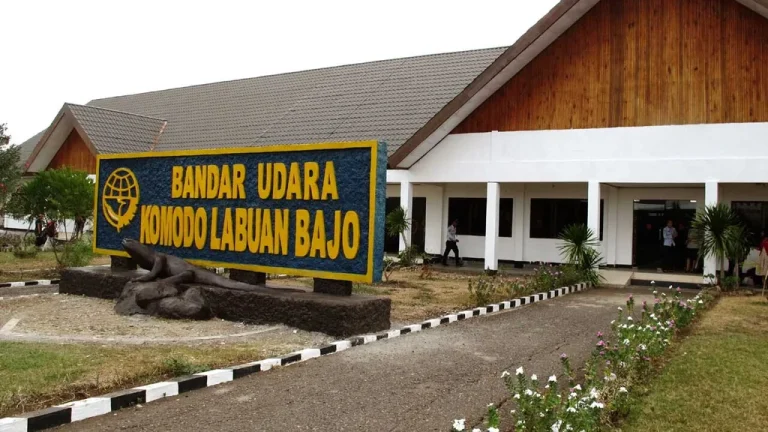
Komodo Airport (LBJ) Arrival Guide
Komodo Airport (IATA: LBJ, officially Komodo International Airport) sits about 2–4 km from Labuan Bajo harbour, a 10–15 minute drive.…
11 min Read -
Overland Route
Maumere Travel Guide: East Flores Gateway
Maumere, capital of Sikka Regency in east Flores, is served by Frans Xavier Seda Airport (MOF) with flights to Kupang,…
10 min Read -
Overland Route
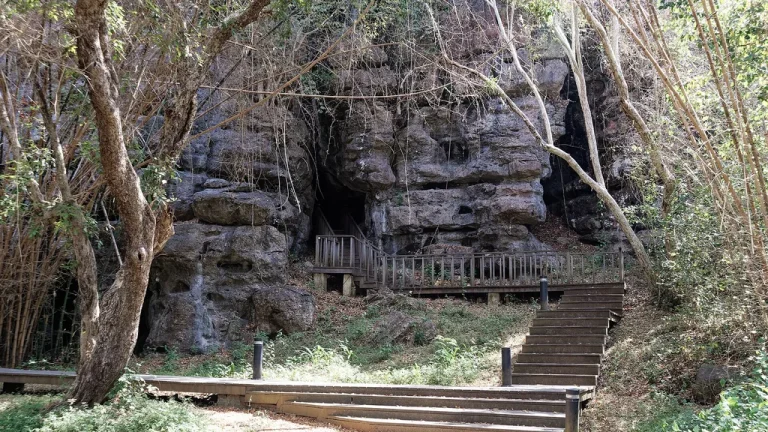
Batu Cermin Cave in Labuan Bajo
Batu Cermin ("Mirror Rock") is a limestone cave about 3–4 km from Labuan Bajo, formed from an ancient coral reef…
10 min Read