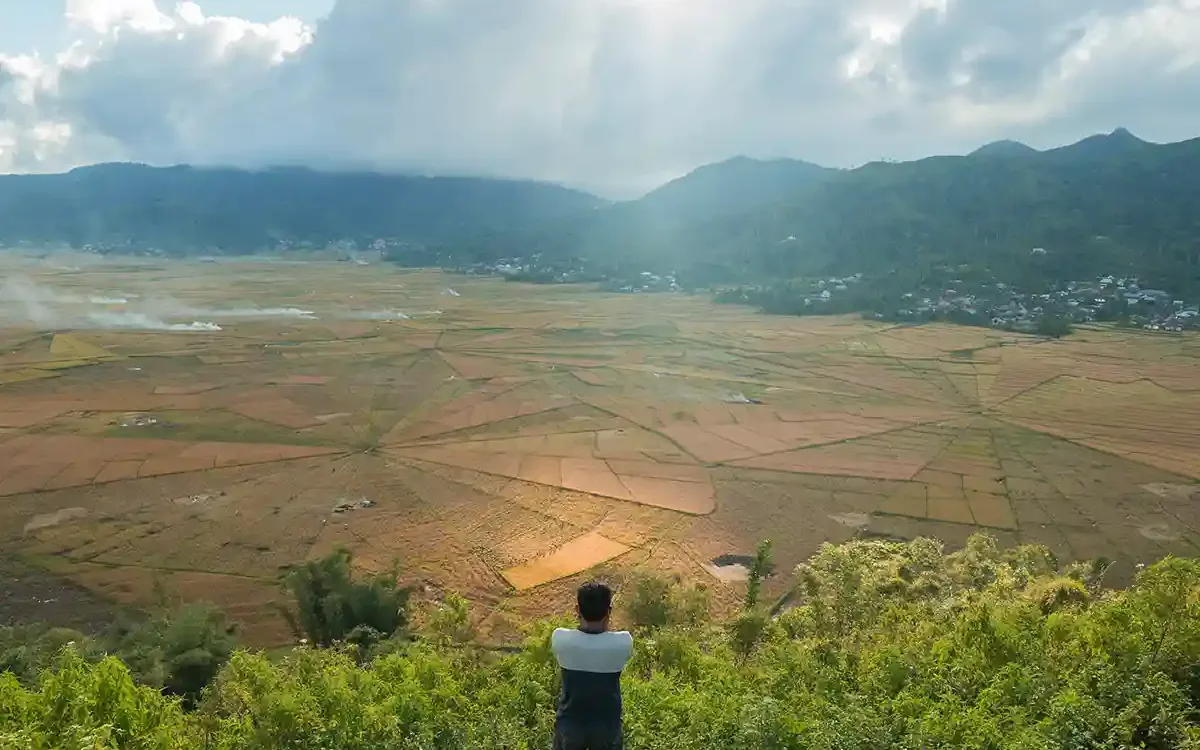
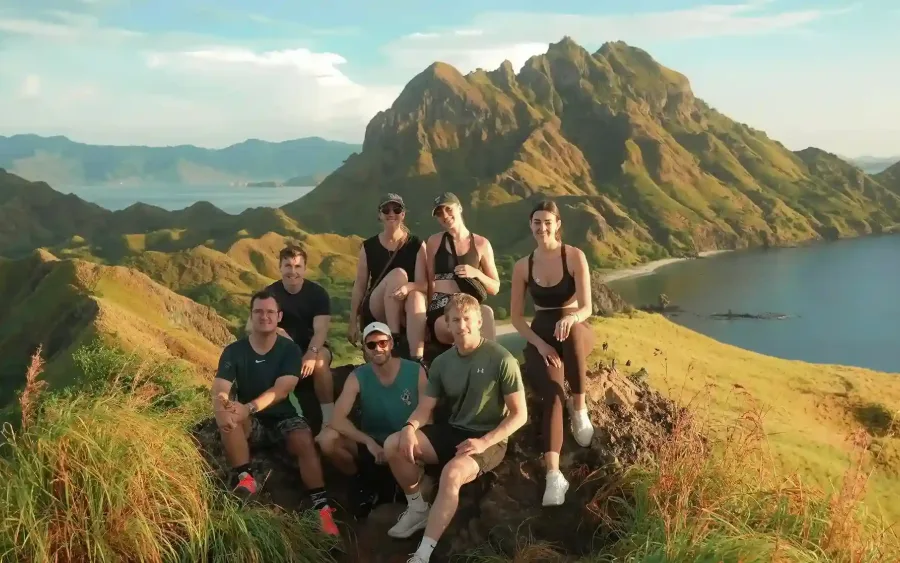
The air is filled with the scent of tropical flora as the sun rises over Flores Island. The landscape unfolds with volcanic peaks, lush greenery, and the vibrant hues of traditional villages, enticing travelers to explore its depths.
Overview of Flores Island
Flores Island, part of Indonesia’s East Nusa Tenggara province, stretches approximately 354 kilometers (220 miles) from west to east. Its diverse geography includes volcanic mountains, rolling hills, and shimmering coastlines. The island is home to several important towns, including Labuan Bajo, Ruteng, Bajawa, Ende, and Maumere, each offering distinct cultural experiences and access to natural wonders. The capital of the Manggarai Regency, Labuan Bajo, serves as the primary gateway to the renowned Komodo National Park, famous for its Komodo dragons and vibrant marine ecosystems.
Getting to Flores Island
Reaching Flores Island is straightforward, with numerous flights connecting major Indonesian cities to Labuan Bajo (LBJ) and Maumere (MOF). Several Indonesian carriers operate regular services, but the line-up on each route changes from year to year, so check the airline’s own schedule for your dates rather than a fixed list of names. A flight from Bali to Labuan Bajo typically takes around 1 hour and 15 minutes, while Jakarta to Labuan Bajo is about 2 hours 30 minutes on the non-stop services.
For overland adventures, travelers can traverse the Trans-Flores route. This scenic drive spans 532 kilometers (330 miles) between Labuan Bajo and Maumere and connects key towns and attractions, providing a comprehensive view of the island’s diverse landscapes and cultures.
Exploring Komodo National Park
Komodo National Park, a UNESCO World Heritage site since 1991 and a protected habitat whose conservation status is tracked by the IUCN, is a highlight of Flores Island travel. Established to protect the Komodo dragon, the park encompasses approximately 1,733 square kilometers (670 square miles) of land and sea. Visitors can explore its rugged terrain, pristine beaches, and vibrant coral reefs. Dive sites like Batu Bolong and Manta Point are renowned worldwide for their rich marine biodiversity.
Guided dive days are quoted per dive centre at IDR 1,800,000-3,300,000 per person for a three-dive day; snorkelling-only trips ride on the shared Komodo boat day, from USD 90 per person. The best months for diving in Komodo run with the April to November dry season, when visibility is at its best, and marine life is abundant.
Kelimutu Tri-Colored Lakes
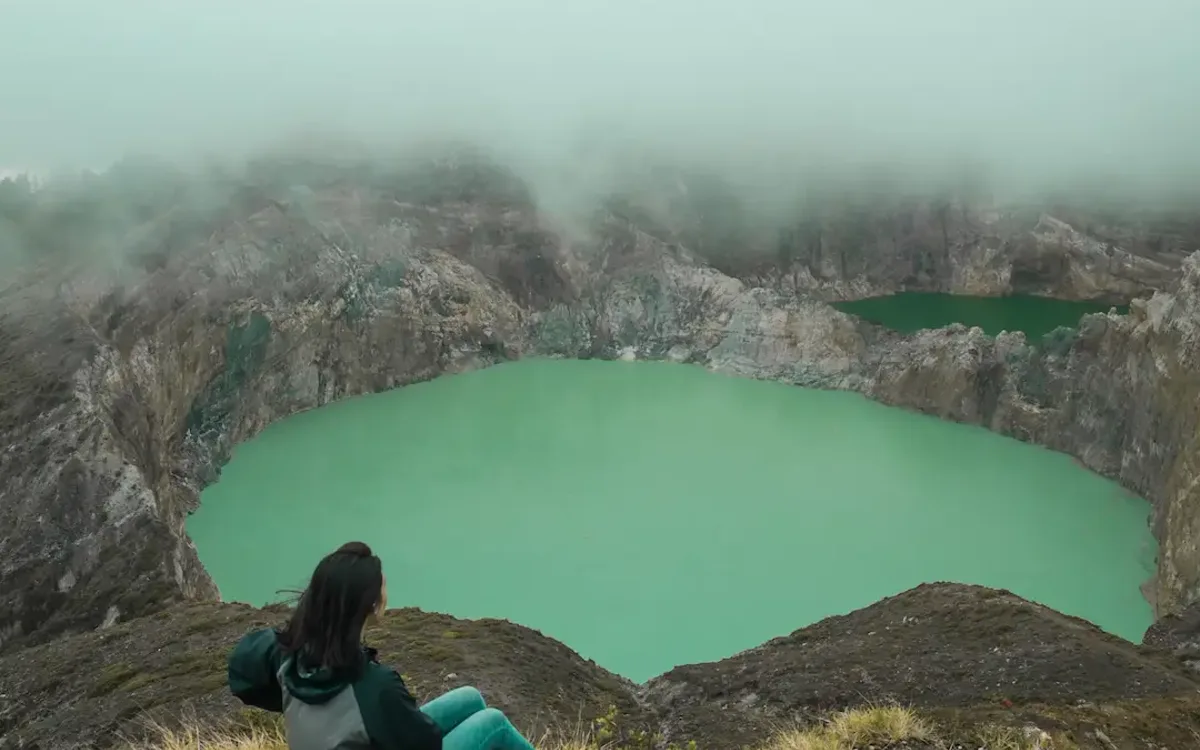
The Kelimutu volcano, monitored by PVMBG (Badan Geologi) and standing at 1,639 meters (5,377 feet) high, is famous for its three crater lakes, which change colors due to volcanic gases and minerals. Located near Ende, the lakes are a significant cultural site for the local people, who believe they hold ancestral spirits. The lakes’ colors can vary from turquoise to dark brown, creating a mesmerizing sight, especially at sunrise.
To visit Kelimutu, travelers often hire local guides, with costs typically around $20 to $30 for a half-day tour. The walk to the lakes is about 20–30 minutes from the parking area and offers sweeping views of the surrounding landscape.
Traditional Villages: Wae Rebo and Bena
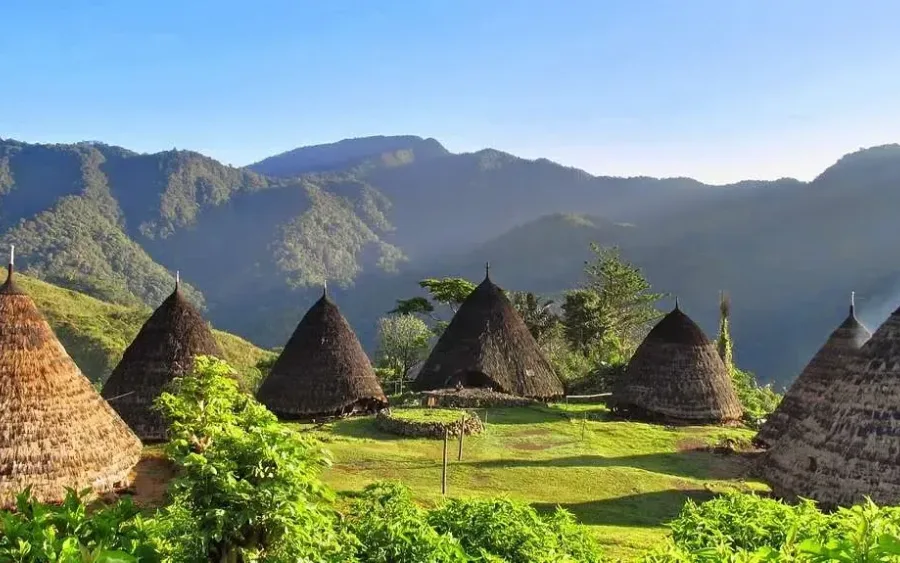
Flores Island’s cultural richness is evident in its traditional villages, such as Wae Rebo and Bena. Wae Rebo, a village of the Manggarai people, is located at an altitude of about 1,100 metres (about 3,600 feet) and is known for its unique circular houses called “Mbaru Niang.” The village is accessible via a scenic trek that takes about 3 to 4 hours, offering a chance to witness the lush landscape and local farming practices.
Bena, located near Bajawa, is another traditional village where travelers can observe the unique architecture and cultural rituals of the Ngada people. Visitors can engage with locals, learn about their customs, and even participate in traditional ceremonies. Many guided tours include visits to these villages, with costs generally ranging from $50 to $100, depending on the itinerary.
Diving and Snorkeling Opportunities
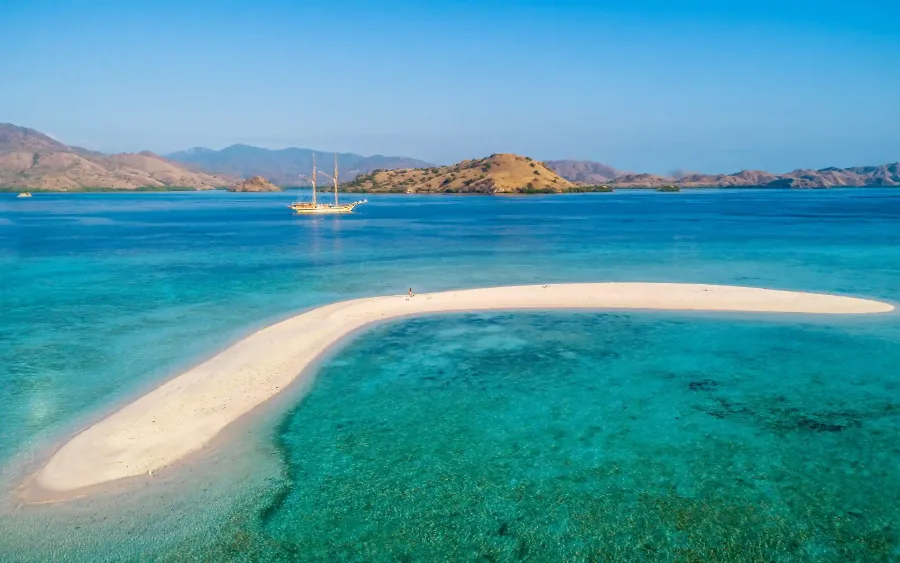
Flores Island is an exceptional destination for diving and snorkeling, with sites that cater to all skill levels. The waters surrounding the island are home to diverse marine life, including manta rays, turtles, and colorful coral reefs. Popular spots include the waters around Komodo National Park, as well as the pristine beaches of Kanawa Island and Seraya Island.
Local dive shops offer certification courses, equipment rentals, and guided tours. PADI Open Water courses take 3 to 4 days to complete; the price is set by each dive centre and moves with fuel and equipment costs, so ask your chosen centre for a current figure rather than budgeting from a fixed number. For certified divers, a three-dive Komodo day trip runs IDR 1,800,000-3,300,000 per person. The spread is almost entirely about what is bundled: the top of the band is an all-inclusive published rate with park fees, equipment and lunch included, while the cheaper headline figures collect park fees separately at the dock. Checked 28 August 2026 against the published rate card of Manta Dive Komodo, a Labuan Bajo dive centre. This guide does not operate boats. Bookings are fulfilled by Komodo Luxury, and this site may earn a referral commission.
Sample Itineraries for Flores Island Travel
Planning a trip to Flores Island can be tailored to various interests—from adventure to cultural exploration. A sample 7-day itinerary might include:
- Day 1: Arrive in Labuan Bajo, explore the local market.
- Day 2: Full-day tour to Komodo National Park for diving/snorkeling.
- Day 3: Visit Rinca Island to see Komodo dragons.
- Day 4: Travel to Ruteng, visit local rice fields.
- Day 5: Trek to Wae Rebo village.
- Day 6: Explore Bajawa and visit Bena village.
- Day 7: Visit Kelimutu lakes and depart from Ende or Maumere.
The costs for a week-long trip can vary significantly based on accommodation choices and activities, ranging from $600 to $1,500 per person.
Best Time to Visit Flores Island
The ideal time for Flores Island travel is during the BMKG-classified dry season, which runs from April to November. During these months, temperatures range from 25°C to 32°C (77°F to 90°F), making it perfect for outdoor activities and exploration. The wet season, from December to March, can bring heavy rainfall, particularly in the mountainous regions, which may affect travel plans.
Travelers should also consider local festivals, such as the Pasola Festival in February or March, which offers a unique cultural experience but may lead to increased accommodation costs and bookings.
Flores Island is a treasure trove of adventure and culture, waiting to be explored. For more information on planning your journey, visit the Flores Island Travel homepage for comprehensive resources and insights.
The island-wide overview on this page stops where the logistics begin, and those are picked up at Komodo Luxury’s Labuan Bajo tour desk.
Related reading
If that format is not quite what you want, private trip packages is listed on its own. Booking sits with luxury cruises across Indonesia, or with luxury yacht charters across Indonesia where a different arrangement fits better.
Practical Tips for Immersive Travel Around Flores Island
For those curious about Flores Island diving, the region offers some of Indonesia’s most rewarding sites outside of Bali. Flores island dive shops are clustered in Labuan Bajo, with a handful in Maumere, mostly catering to guided trips within Komodo National Park. Several operators provide packages tailored to different skill levels, including options for beginners and even snorkellers, making Flores island diving for families feasible with prior arrangement. However, currents can be strong in certain areas, so discussion with dive staff is essential before booking. Comparing Flores island or Bali for diving, Flores generally offers less crowding and richer biodiversity, but fewer child-focused facilities and English-speaking instructors.
For those drawn to culture, Flores traditional houses—such as those in Wae Rebo or Bena—feature steep thatched roofs and communal layouts unique to Manggarai and Ngada ethnic groups. Guided visits provide insight into local textiles and rituals. If you are planning a Flores island travel for couples, these immersive village stays and mountain hikes can be as memorable as coastal experiences, with a quieter, more personal atmosphere than busier islands. Flores island for couples suits those who prefer active exploration and low-key romance rather than nightlife.
Consider reviewing a Flores island rainfall chart: the wet season (typically December to March) brings heavy afternoon showers, making some roads slippery and limiting trekking options. Flores island travel in February is possible, but you should expect reduced access to remote sites and interruptions to boat tours. For a tailored experience, a Kelimutu guide can assist with logistics and interpretation around the tri-coloured lakes, which are most striking at sunrise but require an early start on winding roads.
Sampling traditional drinks in Flores is also worthwhile—try sopi, a locally distilled palm spirit, or Kopi Flores, a distinctive arabica grown near Bajawa. These beverages are often offered during village visits, providing another window onto Flores’s rural daily life and hospitality.
Frequently Asked Questions
How to greet locals in Flores?
Say "Selamat pagi" for good morning or "Salam" (hello) to greet locals in Flores. A slight nod or a handshake is typical, but wait for villagers to initiate physical contact. Using basic Indonesian phrases is appreciated by residents, especially in rural areas where English is not widely spoken.
Is Flores island travel in February possible?
Yes, Flores island travel in February is possible, but expect frequent rainfall and the risk of landslides on mountain roads. February is part of the wet season, which can delay boat transfers and limit hiking activities. Carry waterproof gear and confirm boat schedules in advance.
What are traditional drinks in Flores?
Sopi (palm spirit) and Kopi Flores (local arabica coffee) are traditional drinks in Flores. Sopi is distilled in villages and often served at ceremonies. Kopi Flores is grown in the highlands, especially near Bajawa, and is widely available in local warungs and homestays throughout the island.
What are Flores traditional houses like?
Flores traditional houses, such as those in Wae Rebo and Bena, are built from wood and thatch with steep conical roofs. These communal structures typically house several families and reflect the island's clan-based culture. Visitors can explore them during guided village tours for a fee.