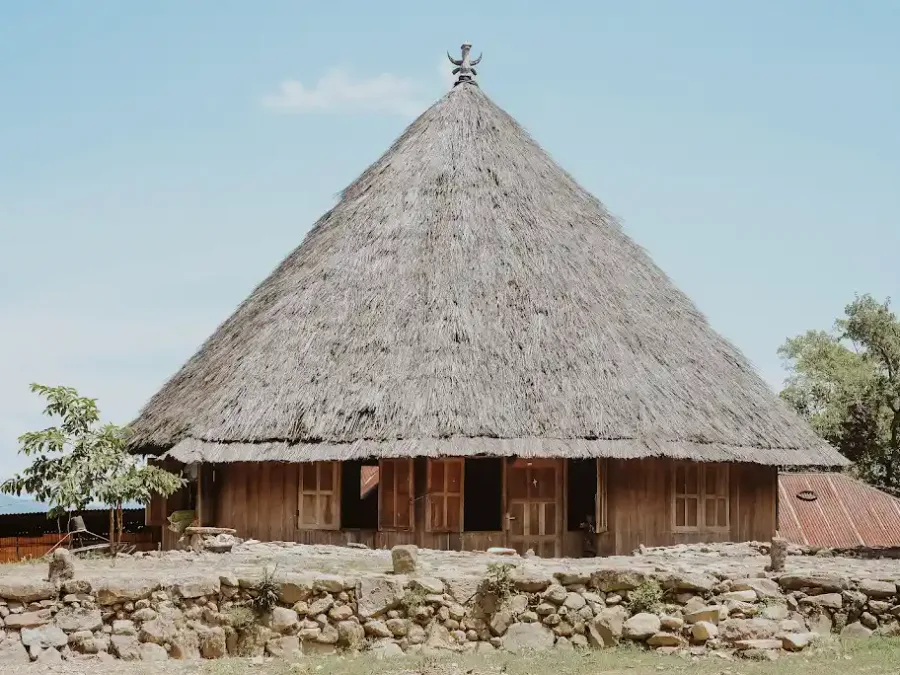
April – November
Dry
Better roads, calmer seas, clearer dawns.
- Best road conditions on the mountain sections
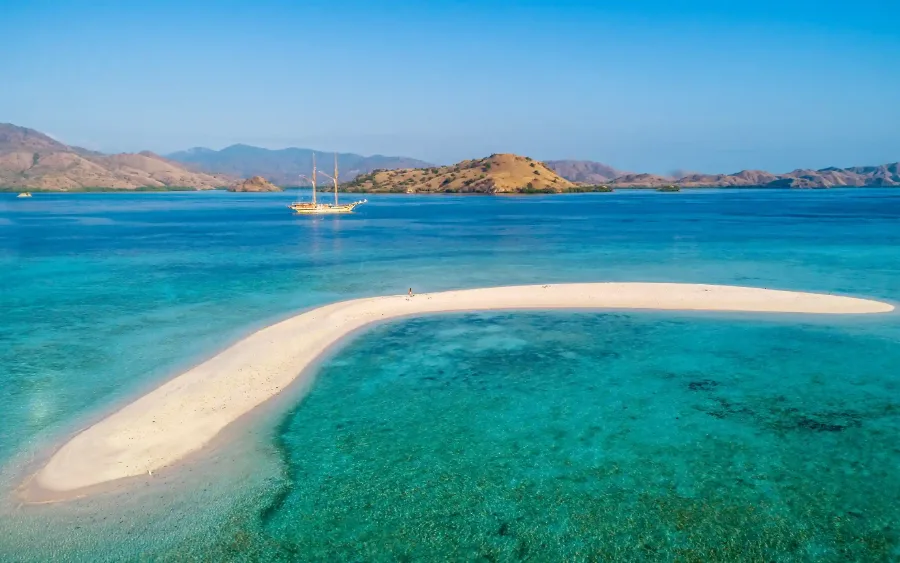
- Calm seas and reliable boat departures
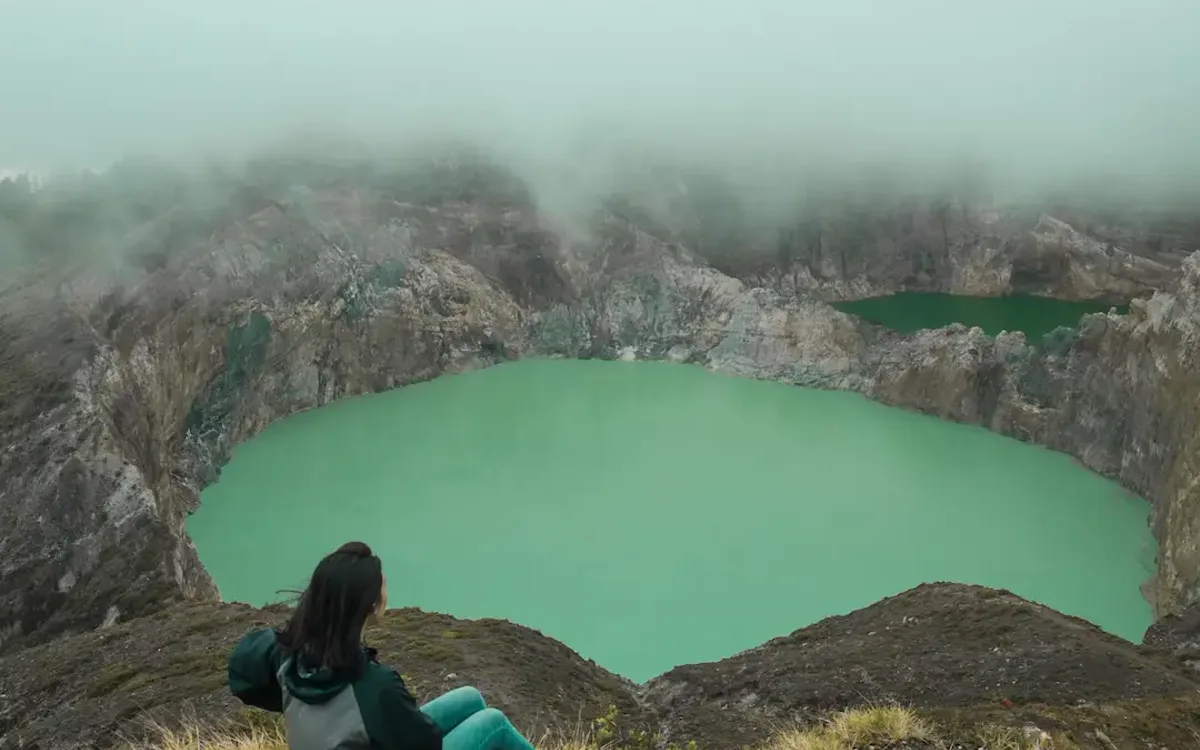
- Better odds of the Kelimutu lakes uncovered
- July–August is busiest; book four to eight weeks ahead
Seasons · Silo 4
April to November, and the shoulder months are better than the peak. Neither season is a promise — both have trade-offs, and this page states them.
Kelimutu visibility and sea state are the two things season actually controls.
Apr–Nov dry
The reliable window
Jul–Aug peak
Busiest, book 4–8 weeks out
Apr–Jun best
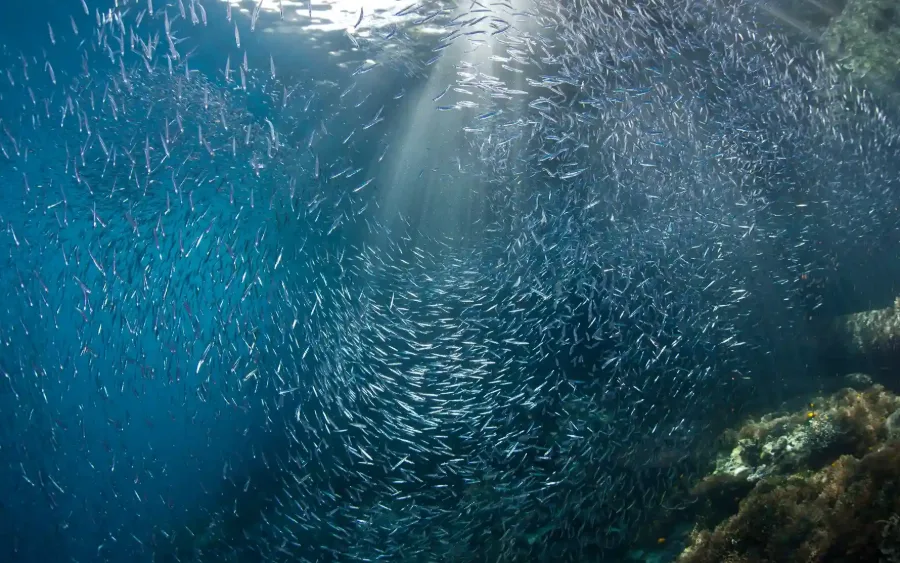
Visibility for diving
Dec–Mar wet
Greener, rougher, cheaper
The climate
Flores has a single long dry season from roughly April to November and a wet one from December to March. That is the whole climate story; everything below is consequence.
Season controls two things that matter: the state of the sea for boats, and cloud at the Kelimutu rim. It has much less effect on the roads than travellers expect — the mountain sections are slow year-round, just slipperier in the wet.
What no operator can promise is a clear morning. Mist happens at 1,639 m in any month. A guide who reads the forecast and times the arrival improves the odds and cannot do more than that.
The trade-off
Both work. They give you a different island.
Dry
Better roads, calmer seas, clearer dawns.
Wet
Greener, quieter, less predictable.
The shoulder months — April to June and September to November — are the quiet answer: dry-season conditions without peak-season crowds or rates.
Month by month
Same island, four quite different experiences.
Quiet dry
—
Seas calming, roads drying, and the best underwater visibility of the year.
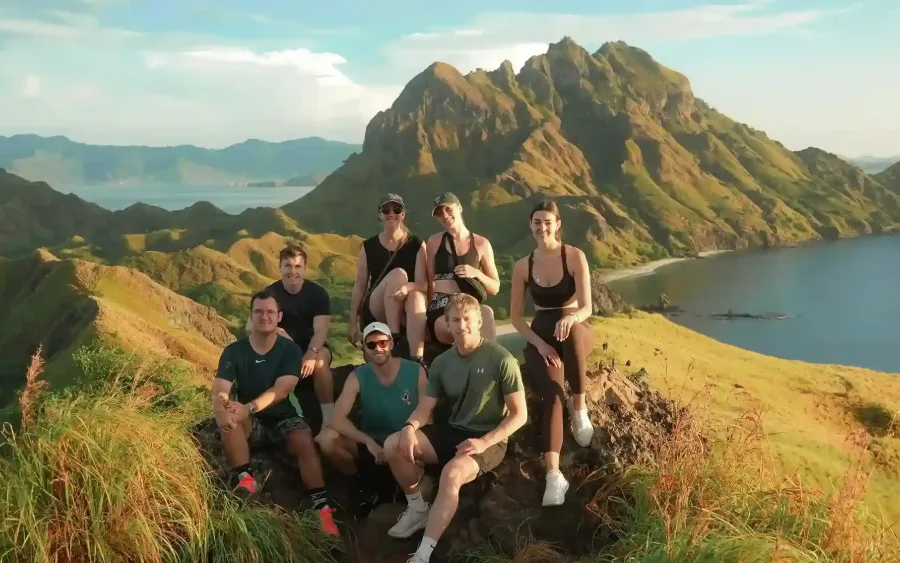
Peak
—
Steady winds, the driest roads and the clearest Padar photography.

Late dry
—
Warmer water, reliable sailing and noticeably fewer people.
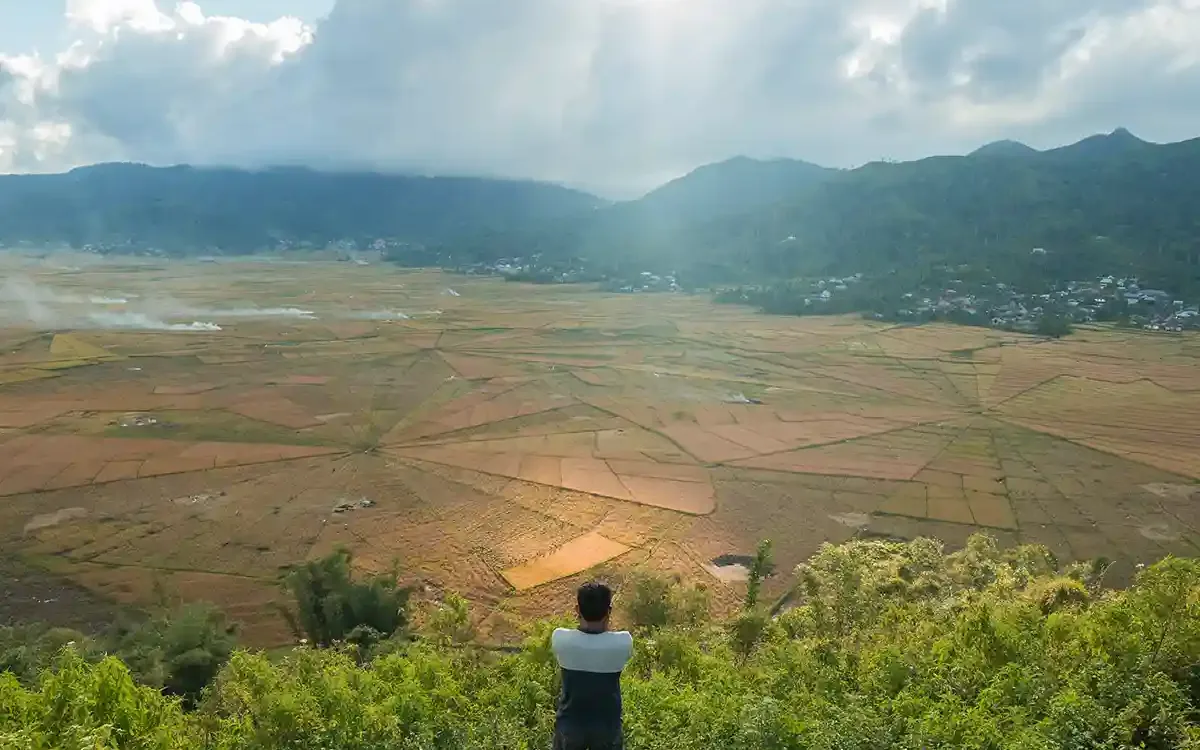
Wet
—
Green highlands, empty sites, and the lowest rates of the year.
Festivals and cultural events cluster differently across the regencies. If a specific ceremony matters to you, say so early — dates move with the local calendar, not the tourist one.
Planning
Start from what you most want to see, not from the calendar.
Kelimutu dawn, diving visibility, empty sites or lowest cost — they point at different months.
Peak months fill first, and Labuan Bajo has limited capacity from Denpasar.
Four to eight weeks for July and August; less in the shoulders.
Weather closes a site occasionally in any month. One spare day absorbs it.
If your dates are fixed
December to March is greener, quieter and cheaper. Day boats run most days, the roads are passable, and the trade-off is honest odds at the Kelimutu rim rather than a cancelled trip.
Season questions
Including the ones where the answer is a probability.
For the full set, see our FAQ — 135 questions answered.
April to November. The shoulder months — April to June and September to November — give dry-season conditions without peak crowds.
July and August, and again around late December. Book boats four to eight weeks ahead in those windows.
Not necessarily. December to March is green, quiet and cheaper. The real costs are cloud at Kelimutu and occasional swell reroutes for liveaboards.
April to June, when the water has settled but the plankton bloom has not fully arrived. Manta sightings can be better in plankton-rich months at the cost of clarity.
No, and nobody can promise it. The dry season gives better odds; mist happens at altitude in any month.
Rarely closed, often slower. Landslide delays on mountain sections are the realistic risk, which is why wet-season itineraries carry extra buffer.
Yes, and they move with local calendars rather than tourist ones. Mention it early if a specific ceremony matters.
December to March. Rates soften across boats and hotels, and sites are close to empty.
Talk to Komodo Luxury
This page publishes the trade-offs. Komodo Luxury plans around the dates you actually have.
No obligation, and no price here changes because you asked.