
Maumere Travel Guide: East Flores Gateway
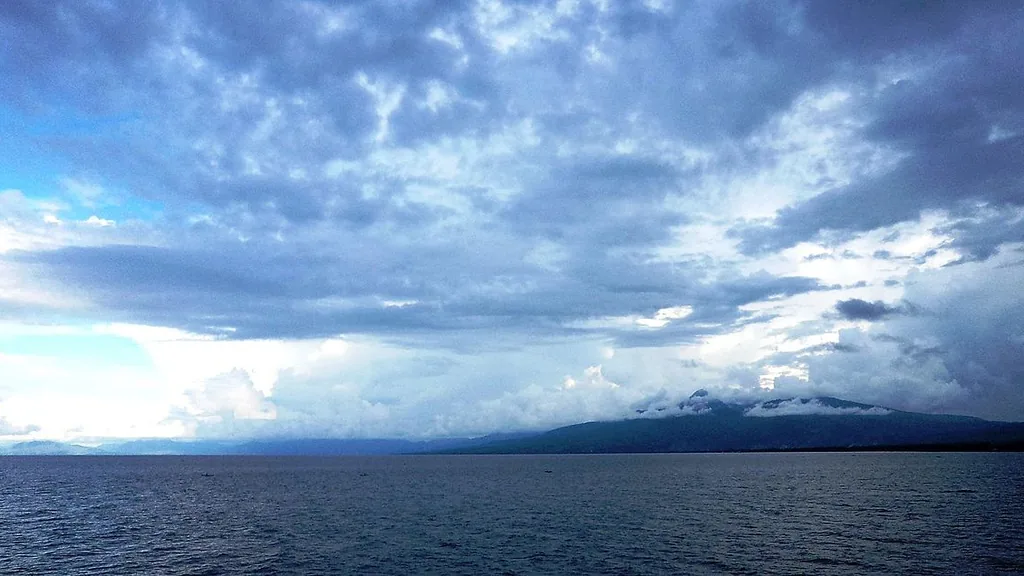
Maumere, capital of Sikka Regency in east Flores, is served by Frans Xavier Seda Airport (MOF) with flights to Kupang, Labuan Bajo and Makassar. A 1992 earthquake and tsunami destroyed roughly 90% of the town and its once-famous reefs; both have since rebuilt. It’s the practical gateway to Moni/Kelimutu (about 70 km, 3–3.5 hours by road) and to ikat-weaving villages like Sikka and Watublapi.
Maumere Travel Guide: East Flores Gateway
Maumere rarely gets top billing next to Labuan Bajo and Komodo, but it is the practical hinge of eastern Flores — the airport that gets you to Kelimutu without a full west-to-east overland crossing, and a town with its own history and culture worth a day or two on its own terms.
Getting to Maumere: Frans Xavier Seda Airport (MOF)
Maumere is served by Frans Xavier Seda Airport, commonly called Frans Seda Airport (and known locally by its older name, Wai Oti), IATA code MOF. Current scheduled service centers on Wings Air and NAM Air, with regular flights to Kupang and Labuan Bajo and service to Makassar; a direct Denpasar route has been discontinued, so travelers coming from Bali or Jakarta typically connect through Kupang, Labuan Bajo, or Makassar rather than flying nonstop. Build a same-day connection buffer if you are routing through Maumere on the way to somewhere else, since regional schedules can be thin.
Sikka Regency and the 1992 Earthquake
Maumere is the capital of Sikka Regency in East Nusa Tenggara. Its modern history is defined by one event: on 12 December 1992, a magnitude 7.8 earthquake struck near Babi Island in Maumere Bay, triggering a tsunami with waves reported over 5.5 meters at Babi Island. The disaster killed roughly 1,690 people across Flores and destroyed close to 90 percent of the buildings in Maumere town itself. The earthquake also devastated Maumere Bay’s coral reefs, which before 1992 were rated among the finest diving anywhere in the world — a reputation the town has been slowly rebuilding ever since. Fault lines and subsidence from the quake are still visible around Koja Doi and Babi Island today, and some now function as a novelty diving feature rather than only a scar.
Diving in Maumere Bay Today
Maumere Bay (formally the Gugus Pulau Teluk Maumere marine park, gazetted in 1987, covering close to 60,000 hectares across ten islands) supports around 30 named dive sites within roughly an hour of the coast-road resorts, according to specialist dive guides. Reef recovery since 1992 has been real but uneven — this is a niche, macro-and-geology-focused diving destination now, distinct from Komodo’s current-swept pelagic sites, worth a detour for divers specifically interested in unusual features like the earthquake fault lines near Babi Island rather than travelers chasing the same big-fish action found around Labuan Bajo.
What to See Near Maumere
- Waiterang Beach — a north-coast beach stop with small resorts and homestays, commonly combined with Egon volcano on day itineraries from Maumere.
- Koka Beach — a south-coast beach along the Maumere–Moni coastal route, popular with travelers cycling or driving the road-trip route toward Kelimutu.
- Paga Beach — in Paga district on the south coast, roughly 45–50 km from Maumere along the same southern route toward Moni.
- Mount Egon — an active volcano roughly an hour’s drive from Maumere, climbed as a day hike with views back over Maumere Bay.
- Sikka village — the historic seat of the former Sikka kingdom on the south coast, known for its ikat weaving tradition and a notable old church.
- Watublapi — an inland ikat-weaving village organized for visitors, where you can watch the full hand-weaving process and buy directly from weavers.
From Maumere to Moni (Kelimutu)
Moni, the base village for Kelimutu’s crater lakes, sits roughly 95 km from Maumere by road — a drive of about 3 to 4 hours depending on stops and traffic, following the coast before turning inland. This makes Maumere a genuine alternative arrival point for a Kelimutu trip, distinct from the more commonly discussed Ende–Moni route (which is considerably shorter). If you are building a west-to-east Flores overland itinerary, flying into Maumere and driving the shorter Maumere–Moni–Ende direction, or the reverse, can save a day compared to starting and ending at the same airport — see the overland package that covers this route for how this fits into a full Trans-Flores route.
From Maumere to Labuan Bajo
The full overland crossing from Maumere to Labuan Bajo, via Moni, Ende, Bajawa, and Ruteng, covers 532 km and typically takes three to four full days of driving when combined with sightseeing stops along the way — closer to 16.5 to 21 hours of net driving time if done without breaks, which almost no one attempts. Most travelers treat this as a multi-day overland tour with overnight stops in Moni, Bajawa, and Ruteng, rather than a rushed point-to-point transfer.
Staying in Maumere Town
Maumere town itself is a working regional capital rather than a resort destination — expect simple guesthouses and mid-range hotels rather than the boutique-resort density of Labuan Bajo. Most visitors treat it as a one- or two-night stop: a night on arrival before heading to the beaches or Egon volcano, and possibly a night on the way back through if your itinerary loops rather than continues in one direction. If you plan to dive Maumere Bay specifically, book with an operator based in town rather than trying to arrange boats independently, since the dive sites are spread along a coastline without a single central dive-shop cluster the way Labuan Bajo has.
Connecting Maumere into a Longer Flores Itinerary
Because Maumere sits at the eastern end of Flores’ main road network, it works well as either a starting or ending point for a full island crossing. Flying into Maumere and driving west toward Moni, Bajawa, Ruteng, and finally Labuan Bajo lets you finish your trip at the airport with the most international connections, including the Komodo boat trip if you add one at the end. Flying into Labuan Bajo first and finishing in Maumere works the opposite way — front-loading the Komodo boat portion of the trip while the roads and your energy are freshest, then unwinding through the overland leg toward a quieter finish. Neither direction is objectively better; it comes down to which airport has better flight options on your specific travel dates.
Ikat Weaving: Maumere’s Textile Tradition
Sikka Regency has one of Flores’ strongest ikat weaving traditions, distinct in pattern and technique from the weaving found around Bajawa or Ende further west. Watublapi village organizes hand-weaving demonstrations for visitors, walking through the dyeing and weaving process from raw thread to finished cloth, and selling directly — a more direct and traceable way to buy ikat than picking up a piece in a Labuan Bajo souvenir shop with no clear village of origin.
Further Questions, Briefly Answered
Can I fly directly from Bali to Maumere?
Not currently — the direct Denpasar–Maumere route has been discontinued. Most travelers connect through Kupang, Labuan Bajo, or Makassar to reach Frans Xavier Seda Airport (MOF).
What happened to Maumere in 1992?
A magnitude 7.8 earthquake and resulting tsunami struck on 12 December 1992, killing roughly 1,690 people across Flores and destroying close to 90 percent of the buildings in Maumere town, while also severely damaging Maumere Bay’s coral reefs.
How far is Maumere from Moni and Kelimutu?
Approximately 95 km by road, a drive of about 3 to 4 hours, making Maumere a practical alternative gateway to Kelimutu alongside the more commonly used Ende route.
Is diving still worthwhile in Maumere Bay after the 1992 disaster?
Yes, on a niche basis — reef recovery has produced roughly 30 named dive sites in the bay, though it is now regarded more as a macro and unusual-geology destination than the world-class reef diving it was before 1992.
What is Maumere known for besides Kelimutu access?
Its ikat weaving tradition, particularly around Sikka village and Watublapi, along with beaches like Waiterang, Koka, and Paga, and Mount Egon as a day-hike volcano.
Continue east or west: see the full Komodo Luxury Flores overland tour package, or check the Kelimutu crater lakes sunrise tour for the Moni side of this route.
Once the Maumere gateway section here has settled your dates, the next move is putting them in front of the desk at Komodo Luxury.
The Maumere gateway section here stops where the logistics begin, and those are picked up at private trip packages. For the whole-boat options rather than per-person seats, Komodo boat charter classes is the index. The higher-specification hulls appear at VIP boat charter.
Visiting Weaving Villages: What to Expect and How to Go
Travellers interested in encountering living Flores weaving traditions will find several villages near Maumere where textile production remains central to daily life. Sikka village, approximately 28 km southeast along the coast, is well-known for its handwoven ikat, produced using time-consuming natural dye methods. Watublapi, about 17 km to the south, hosts regular demonstrations and receives small groups for hands-on workshops led by local women. These experiences are rarely touristy—both villages function as working communities, not staged attractions.
Flores weaving cooperatives play a crucial role in sustaining these traditions and improving livelihoods. Many are women-run and focus on fair pricing, natural materials, and direct sales. At cooperative workshops, visitors can observe all stages of the process, from thread spinning and dyeing to the intricate tying and weaving itself. Shopping here means your purchase supports artisans directly, with prices reflecting weeks or months of skilled labour rather than factory production.
Reaching the villages typically requires private transport—most visitors hire a car and driver for a half day, as public bemo services are infrequent and confusing for newcomers. Some local guides specialise in textile-focused day trips, which can also include stops at roadside markets or churches with colonial and pre-colonial histories. Those planning to photograph artisans should ask permission first and be considerate; weaving is often one part of a busy household routine.
The best months to visit are the dry season from April to November, when village paths are easier to walk and textiles dry quickly outdoors. If you wish to participate more fully, some cooperatives take advance bookings for dye workshops or extended weaving lessons. Note that English is not widely spoken in rural areas, but the textile-making process itself is largely self-explanatory and hosts are accustomed to showing the steps with gestures and smiles.
More Questions Answered
Are there cultural festivals in Maumere worth timing a visit for?
Yes, the Maumere area hosts several Catholic and traditional festivals, notably Easter processions and the Semana Santa in Sikka village. Semana Santa typically falls in March or April and features unique processions blending Portuguese and local elements, drawing pilgrims and visitors alike.
Can I take a bus directly from Maumere to Ende?
Yes, daily intercity buses and travel minibuses (called 'travel') connect Maumere to Ende. The route is 147 km via Moni and takes 4.5–6 hours depending on roadworks and stops. Early-morning departures offer smoother journeys and better seat selection.
Where are the main markets in Maumere?
The central market (Pasar Alok) is the town’s busiest, with fresh produce, spices, textiles, and basic goods. It’s most active in the mornings, particularly on market days (Tuesday and Saturday). Smaller neighbourhood markets operate throughout the week but offer less variety.
Should I book accommodation in Maumere ahead of arrival?
It is advisable, especially during July–August and around major religious holidays, as rooms in better guesthouses and resorts can fill up. Walk-in options exist but quality varies. Booking at least the first night ahead ensures a smoother arrival and access to airport transfers.
Keep reading
More from the journal
-
Overland Route
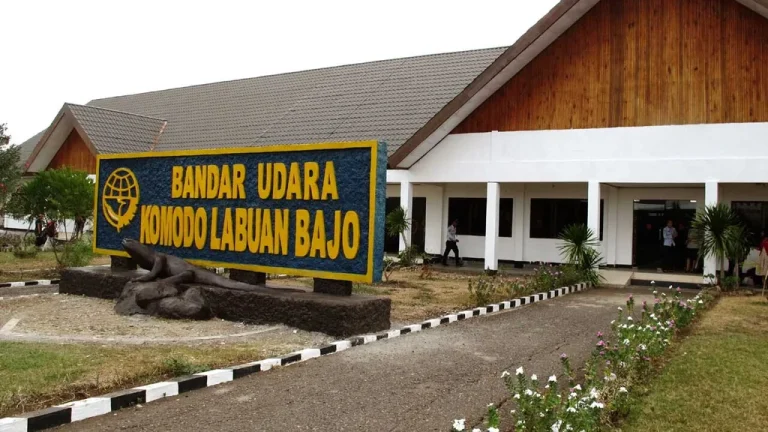
Komodo Airport (LBJ) Arrival Guide
Komodo Airport (IATA: LBJ, officially Komodo International Airport) sits about 2–4 km from Labuan Bajo harbour, a 10–15 minute drive.…
11 min Read -
Overland Route
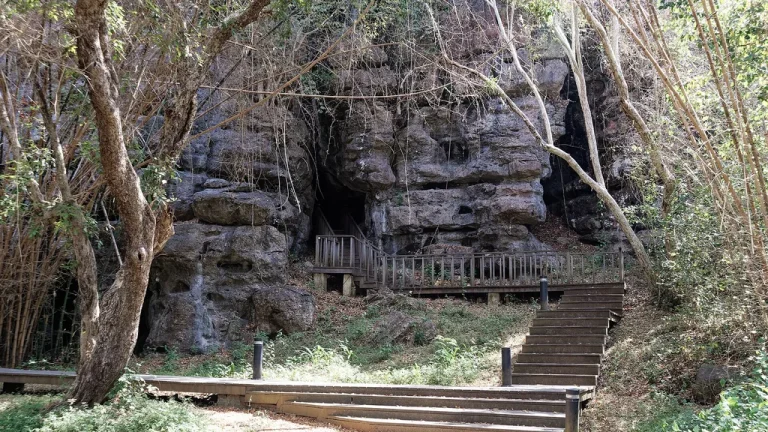
Batu Cermin Cave in Labuan Bajo
Batu Cermin ("Mirror Rock") is a limestone cave about 3–4 km from Labuan Bajo, formed from an ancient coral reef…
10 min Read -
Overland Route
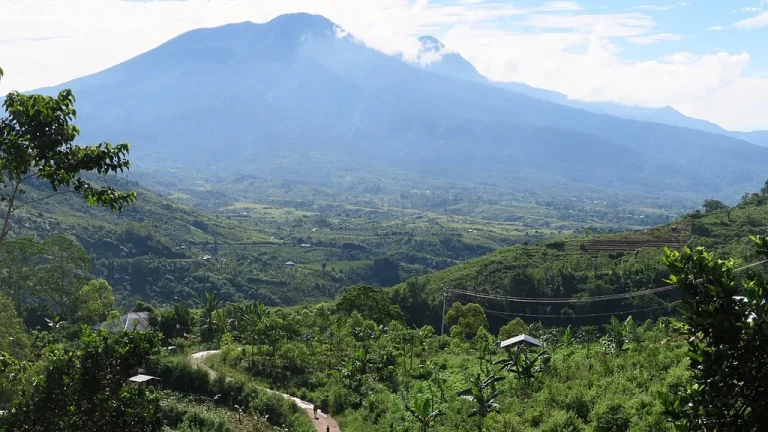
Ruteng Travel Guide: Highland Manggarai
Ruteng is the highland capital of Manggarai regency, 135 km and a 4–5 hour drive east of Labuan Bajo, sitting…
10 min Read