
Komodo Dive Sites: A Site-by-Site Catalogue
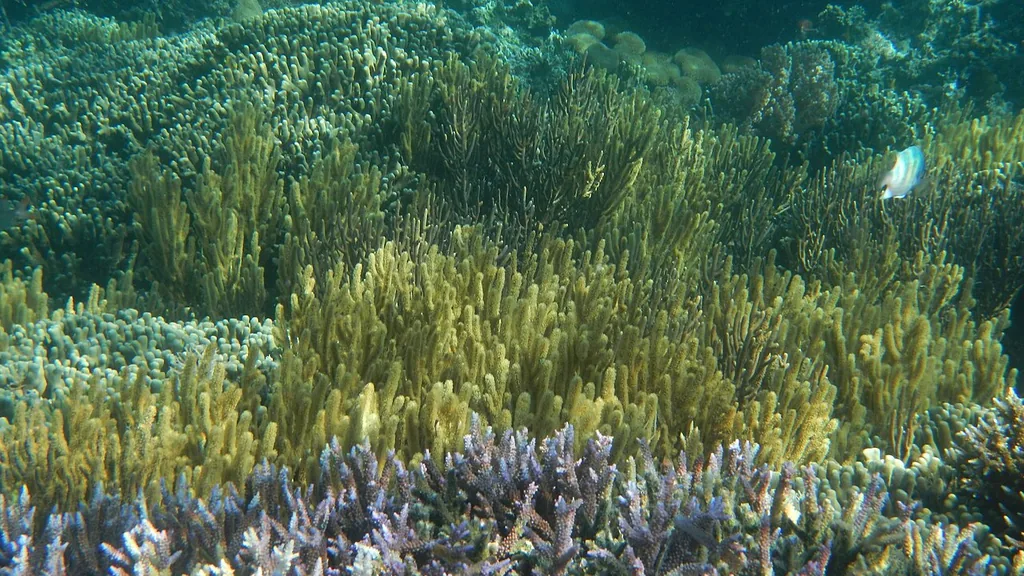
Komodo National Park’s headline dive sites — Batu Bolong, Castle Rock, Crystal Rock — have strong, unpredictable currents and suit advanced divers; Siaba and Tatawa Besar are the sheltered, beginner-friendly alternatives. Manta Point offers shallow drift diving with reef mantas, and Cannibal Rock near Rinca is the park’s premier macro site. Season runs April–November, with July–September the coolest and busiest.
Komodo Dive Sites: A Site-by-Site Catalogue
Komodo National Park packs an unusual range of diving into one small area — high-current seamounts with schooling pelagics in the north, sheltered coral gardens in the center, and a cooler, macro-rich south around Rinca. This catalogue goes site by site with what you will actually find underwater and who each one suits.
Batu Bolong
A narrow pinnacle rising from deep water to just below the surface, Batu Bolong is one of Komodo’s most current-swept sites — currents are often strong, tidal, and can shift direction mid-dive, including down-currents around the pinnacle. In exchange for the difficulty, the fish life is exceptional: dense schools of fusiliers and anthias wrap the whole pinnacle, with reef sharks, turtles, and Napoleon wrasse regularly seen. Depth ranges from near-surface down past 35 meters, though most of the action sits in the 5–25 meter band. Recommended level: advanced, ideally Advanced Open Water with 20–30 logged dives and prior drift experience.
Castle Rock
A submerged seamount in northern Komodo known for pelagic action — grey reef sharks, whitetip sharks, schooling trevally and tuna, and the occasional dogtooth tuna or barracuda pass. Like Batu Bolong, it is a strong, tidal-current site typically dived with a reef hook on the up-current side, timed carefully against the tide. Recommended level: advanced, with solid buoyancy and hook-in technique.
Crystal Rock
Crystal Rock’s neighbor to Castle Rock shares the same north-Komodo profile: a shallow-topped pinnacle with strong, tidal currents that split around the rock and can create eddies and down-currents. Reef sharks, schooling jacks and barracuda, and occasional manta or eagle ray sightings round out the marine life, alongside excellent coral coverage. Recommended level: advanced, similar profile to Castle Rock.
Manta Point (Karang Makassar)
A shallow rubble-and-patch-reef plateau in roughly 8–18 meters, Manta Point is built around one thing: reef manta rays using the site as a cleaning station and feeding ground. Current here is generally gentler than the northern seamounts — a manageable drift most of the time, though it can pick up on spring tides. Beyond mantas, expect eagle rays, turtles, bumphead parrotfish, and small critters in the sand and rubble. Recommended level: accessible to reasonably comfortable divers with 10–20 dives, though good buoyancy still matters since you never want to touch a manta or the reef beneath it.
Cannibal Rock (Horseshoe Bay, near Rinca)
The park’s best-known macro site, well south of the busier central islands. Cannibal Rock is a small seamount rich in nudibranchs, frogfish, ornate ghost pipefish, sea apples, and dense soft-coral and sponge growth, with cuttlefish and octopus regularly spotted by patient divers. Currents here run milder than the north but can still surge, and visibility in the south is often lower than in Komodo’s clearer central and northern water. Recommended level: intermediate, with a premium on buoyancy control for macro photography rather than raw current-handling skill.
Tatawa Besar
A gently sloping reef with excellent coral gardens in roughly 5–18 meters, Tatawa Besar is frequently used as a check-dive or first-dive-of-the-trip site because its currents are moderate rather than extreme. Expect clouds of anthias and fusiliers, turtles, sweetlips, and occasional reef shark or manta pass-bys against a colorful wide-angle reef backdrop. Recommended level: suitable for Open Water divers and the recently certified when conditions are moderate.
Siaba (Siaba Besar)
Komodo’s most sheltered common dive site — a calm, protected reef slope in 5–18 meters with low to mild current, which is exactly why operators use it for training dives and Discover Scuba experiences. Turtles are a near-guaranteed sighting, earning it an informal “Turtle City” nickname among local guides, alongside a good chance of macro finds in the coral. Recommended level: genuinely beginner-friendly, including confined-skills and refresher dives.
Site Comparison at a Glance
| Site | Depth range | Current | Best for | Level |
|---|---|---|---|---|
| Batu Bolong | 5–40 m | Strong, tidal | Fish biomass, sharks | Advanced |
| Castle Rock | 4–40 m | Strong, tidal | Pelagics, sharks | Advanced |
| Crystal Rock | 3–35 m | Strong, tidal | Sharks, schooling fish | Advanced |
| Manta Point | 8–18 m | Mild–moderate | Reef manta rays | Intermediate |
| Cannibal Rock | 5–30 m | Mild, can surge | Macro, critters | Intermediate |
| Tatawa Besar | 5–25 m | Moderate | Coral gardens | Open Water+ |
| Siaba Besar | 5–18 m | Low | Turtles, training dives | Beginner |
Best Season for Diving Komodo
The core diving season runs April to November. July to September brings the coolest water (upwellings drop southern-site temperatures noticeably, sometimes into the low 20s°C) alongside the strongest plankton blooms and best manta activity, though visibility can dip in places during the bloom. October and November often get cited as the sweet spot — warm water, clear visibility in the 15–30 meter range, and still-strong marine life, without the coldest upwellings of peak summer. December to March, the wet season, brings more rain, more runoff, and generally lower visibility.
Komodo vs Raja Ampat: Which Should You Choose?
Komodo leans toward a mix of high-current pelagic sites in the north and a genuinely excellent macro scene in the south, all reachable via short day trips or a 3–5 day liveaboard from Labuan Bajo. Raja Ampat is generally regarded as having the highest overall reef biodiversity on the planet, with its own strong currents at signature sites but a broader mix of sheltered bays alongside the wild ones; it is reached via Sorong in West Papua, a longer and more expensive journey than getting to Komodo from Bali. For a first Indonesian dive trip on a moderate budget, Komodo is usually the more accessible choice; serious reef enthusiasts with more time and budget often add Raja Ampat as a second trip rather than choosing one over the other. See our Komodo catamaran and yacht charter guide for private-boat diving options in the park.
Is Komodo Beginner-Friendly?
Not as a default — the park’s bucket-list sites (Batu Bolong, Castle Rock, Crystal Rock) are squarely advanced dives due to strong, sometimes unpredictable currents. But Komodo is not exclusively an advanced destination either: Siaba and Tatawa Besar are specifically used by operators for newly certified divers, and Manta Point is accessible to reasonably experienced Open Water divers under normal conditions. Be honest about your experience level when booking — a good operator will separate groups by ability rather than take everyone to the same site regardless of certification.
Further Questions, Briefly Answered
What is the best dive site in Komodo for beginners?
Siaba Besar is the most consistently beginner-friendly site, with calm, protected water in 5–18 meters and frequent turtle sightings, followed by Tatawa Besar when currents are moderate.
Do I need Advanced Open Water certification to dive in Komodo?
Not for every site — Siaba, Tatawa Besar, and Manta Point are accessible to Open Water divers with a reasonable number of logged dives, but the park’s strongest-current sites like Batu Bolong and Castle Rock are best reserved for Advanced Open Water divers with drift experience.
When is the best time to see manta rays in Komodo?
Mantas can be seen at Manta Point (Karang Makassar) year-round, but sightings are most concentrated from April to November when plankton blooms bring them in to feed.
Is Komodo or Raja Ampat better for diving?
Both are excellent for different reasons — Komodo offers a strong mix of high-current pelagic action and macro diving reachable from Bali via Labuan Bajo, while Raja Ampat offers arguably the world’s richest reef biodiversity at a longer, costlier journey via Sorong.
How strong are the currents in Komodo National Park?
They vary dramatically by site — northern seamounts like Batu Bolong and Castle Rock can have strong, unpredictable tidal currents including down-currents, while sites like Siaba and parts of Tatawa Besar are calm enough for training dives.
Plan your dive trip: see the Komodo catamaran charter page for private sailing options, or check seasonal timing by activity before booking.
For the liveaboard side of this specifically, Komodo Luxury’s Komodo liveaboard trips list cabin types and routes worth comparing before booking.
Once the site-by-site dive catalogue above has settled your dates, the next move is putting them in front of the desk at Labuan Bajo tour options. Only the closer sites in the table above are realistic on a single day out of Labuan Bajo; anything in the far south needs an overnight. The day-length departures, and the stops they can actually reach, are listed under one-day Komodo trip packages. The open-trip calendar, shared open-trip departures, is where the fixed departure dates live.Shared-cabin departures are scheduled at shared open-trip departures.
Choosing Komodo Dive Sites: Navigation, Depths, and Practicalities
Planning a dive itinerary means weighing more than just the wildlife: site location, currents, and depth all matter. The map below shows that most of the park’s top dive sites are spread between the northern and central zones. Sites such as Batu Bolong, Crystal Rock, and Castle Rock are north of the main strait, while the best dive sites near Labuan Bajo—Siaba Besar and Tatawa Besar—are closer to the port, making them popular starting points for day trips and novice divers.
Strong currents are both a challenge and a highlight of diving in Komodo. Batu Bolong is famed for dramatic fish life, but the currents there and at Castle Rock can shift quickly and may include down-currents, making both sites suitable only for experienced divers. Castle Rock is almost universally praised by experienced divers, especially on a rising tide when the pelagics school out in the blue. Without drift experience it is the wrong site. For turtles and mantas without extreme conditions, Manta Point and Siaba are far more forgiving.
Batu bolong dive site and Castle Rock both feature significant depth variation. Depths range from shallow reefs of 5–10 metres on sites like Siaba, one of the gentlest sites for beginners, to 35 metres or more on the pinnacles. Always check with your operator about maximum planned depth for each site, and be realistic about your comfort zone. For those beginning to dive here, price transparency varies: day trips to dive sites near Labuan Bajo usually cost less than liveaboard expeditions reaching the more remote sites, but you miss out on sunrise dives and secluded moorings.
Between dives, some itineraries stop at the stilted fishing villages or the ranger stations on Rinca and Komodo, which turns a dive trip into something broader than a list of sites. These stops can be built into many liveaboard or full-day tours, allowing for a mix of diving and local culture.
More Questions Answered
How to get to Komodo dive sites?
Most divers reach Komodo dive sites by boat from Labuan Bajo, Flores. Daily speedboats or liveaboards depart from the harbour, taking from 45 minutes (for sites like Siaba) up to 3 hours (for distant sites like Cannibal Rock). Flights to Labuan Bajo from Bali or Jakarta operate several times daily. Booking ahead in peak season is strongly recommended.
Are there beginner-friendly dive sites in Komodo?
Yes, several sites suit beginners, with gentle currents and shallow depth. Tatawa Besar, Siaba Besar, and Mawan are known for easy navigation and good visibility. These sites are ideal for Open Water divers, with depths between 5 and 18 metres and minimal current most days.
Is it possible to combine diving with cultural experiences in Komodo National Park?
Many dive itineraries build in at least one of those stops. Liveaboards and private charters often visit Komodo or Rinca Island to see Komodo dragons or local villages between dives. Cultural stops add variety, especially on multi-day trips.
What is the typical dive site depth in Komodo?
Depths vary considerably from site to site. Sheltered reefs like Siaba range from 5–18 metres, ideal for beginners, while Batu Bolong and Castle Rock drop steeply to 30–40 metres. Most dives are planned within recreational limits, but always clarify depth with your operator.
Keep reading
More from the journal
-
Diving & Marine
Best Beaches on Flores Island
Flores has beaches well beyond the famous Pink Beach inside Komodo National Park — black-sand surf beaches near Maumere, quiet…
11 min Read -
Diving & Marine
PADI Courses in Labuan Bajo: What to Expect
PADI diving courses in Labuan Bajo follow the same global standards as anywhere else in the world — an Open…
11 min Read -
Diving & Marine
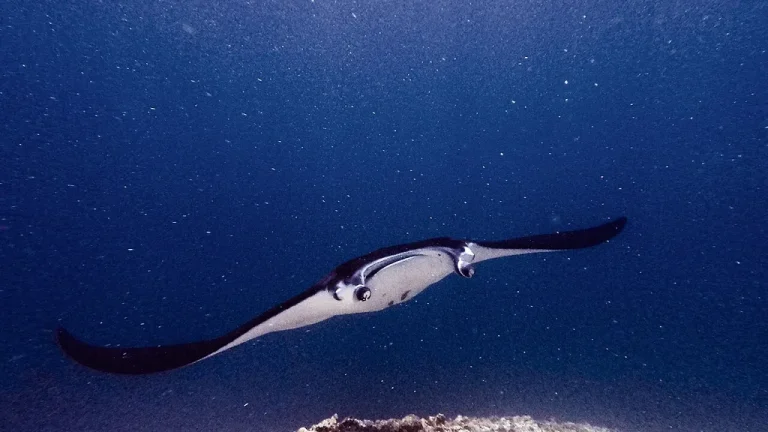
Manta Point Komodo: Season and Etiquette
Manta rays are present at Manta Point (Karang Makassar) in Komodo National Park year-round, but the site has two loose…
11 min Read