
Manta Point Komodo: Season and Etiquette
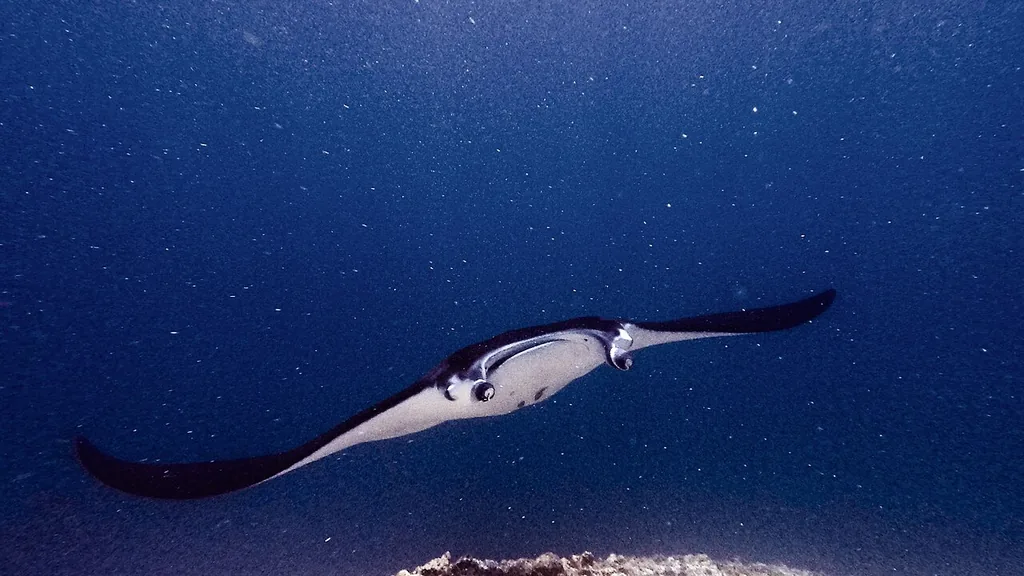
Manta rays are present at Manta Point (Karang Makassar) in Komodo National Park year-round, but the site has two loose seasonal patterns — clearer water and more reliable snorkeling roughly June through September, and larger plankton-driven aggregations roughly November through March, especially at southern sites like Manta Alley. Currents range from gentle to moderate and pick up on strong tides, so a guide’s timing matters as much as the calendar.
When Is the Best Time for Snorkeling With Manta Rays in Komodo?
There’s no single “best month” that all operators agree on, because Manta Point and the southern sites behave differently across the year — this is a case where being honest about the range beats picking one confident-sounding number. The two broad patterns worth knowing:
- Dry season, roughly April–November (peak clarity around June–September): generally the more reliable window for good visibility and consistent sightings at Manta Point (Karang Makassar) itself
- Wetter months, roughly December–March (especially December–February): plankton blooms draw larger feeding aggregations, particularly at southern sites like Manta Alley — visibility can drop even as manta numbers rise
In practice, mantas are reported at Komodo’s main sites in every month of the year, so “will there be mantas” is less the right question than “which trade-off do I want” — clearer water with typically smaller groups, or murkier water with a chance of larger aggregations. A local guide checking recent reports the morning of your trip is more useful than any fixed calendar rule.
How Strong Are the Currents at Manta Point?
Karang Makassar (Manta Point) sits on a relatively shallow plateau, and currents there are generally described as gentle to moderate — manageable for a guided drift snorkel — but they strengthen noticeably around spring tides (full and new moon) and can shift quickly. Southern sites, including Manta Alley, more often see moderate to strong currents, particularly in the dry season. This is a genuinely current-dependent site: the same location can feel completely calm one morning and be skipped by operators the next if conditions aren’t safe, which is exactly why “is Manta Point on today’s route” is worth confirming rather than assuming when you book a Komodo one day trip.
Is It Safe to Snorkel With Manta Rays?
Yes, when done with a guide who briefs you properly — manta rays are filter feeders with no sting or bite risk to humans, and the real safety considerations are the current itself and giving the animals appropriate space, not the mantas. Standard etiquette and safety practice includes:
- Never touching a manta ray — contact can damage the protective mucus layer on their skin and stresses the animal
- Approaching from the side rather than head-on or from directly above, and staying at least a few meters back
- Not chasing a manta that swims away — let it approach or pass on its own terms
- Staying close to your guide, who reads the current and positions the group accordingly
- No flash photography, which can startle marine life at close range
Reef-safe sunscreen (mineral-based, free of oxybenzone and octinoxate) is worth using specifically at manta and coral sites — chemical sunscreens are increasingly linked to coral stress in high-traffic snorkeling areas, and a site this popular sees a lot of sunscreen in the water daily.
Manta Point vs Nusa Penida — How Do They Compare?
Both are well-known Indonesian manta sites but differ in access and character: Nusa Penida (near Bali) is reachable on a day trip from Sanur and has several manta cleaning stations with generally easier logistics, while Komodo’s Manta Point requires the longer trip out to Labuan Bajo and Komodo National Park but rewards that effort with a genuinely wilder, less crowded marine park setting and the chance to combine manta snorkeling with Komodo dragon trekking in the same trip. Neither is objectively “better” — Nusa Penida suits a Bali-based shorter trip, while Komodo suits travelers already building a Flores or liveaboard itinerary.
Do You Need Diving Certification, or Is Snorkeling Enough?
Snorkeling is enough to see mantas at Manta Point — the site’s shallow depth (roughly 8–18 meters at its core) is exactly why it’s snorkel-friendly rather than dive-only, unlike many of Komodo’s deeper dive sites. Divers get a different vantage point and longer bottom time, but no certification is required to have a genuine, close manta encounter here. If you’re deciding between snorkeling and diving more broadly across your trip, our Komodo diving guide covers site-by-site depth and skill-level notes.
What Gear Do You Need?
A well-fitting mask and fins are the essentials — rental gear is available through most boat operators, but if you have your own well-fitting mask, bringing it avoids the one thing that most commonly ruins a snorkel trip (a leaking rental mask). A rash guard or light wetsuit top helps with both sun exposure and the cooler water temperatures found at depth on a drift snorkel. An underwater camera or housing is optional but popular here given the reliability of sightings compared to many other marine megafauna encounters.
Family-Friendly Snorkeling at Manta Point?
Manta Point’s current-dependent nature makes it less predictable for young or inexperienced swimmers than calmer sites like Kanawa, so families with young children often do a gentler introductory snorkel elsewhere first and treat Manta Point as an add-on only when conditions and the child’s comfort level clearly allow it — our family tour packages guide covers gentler alternatives in more detail.
Combining Manta Point With a Longer Liveaboard
Because Manta Point is tide-dependent, a multi-day liveaboard trip generally offers a better chance of a good manta encounter than a single one-day trip, simply because the itinerary can shift by a day if conditions aren’t right on the originally planned date. If swimming with mantas is close to your single most important goal for the trip rather than one item on a longer list, building a few days of flexibility around it — rather than pinning it to one fixed day trip — meaningfully improves your odds. See current Komodo liveaboard options if this flexibility matters to you.
How Do I Book a Manta Point Snorkeling Trip?
- Message WhatsApp with your travel dates so the team can check whether Manta Point is realistically reachable on your chosen day given season and tide
- Confirm whether you want a dedicated manta-focused day or want it combined with dragon trekking on a one-day trip
- Bring or request reef-safe sunscreen and confirm mask/fin sizes in advance if you have specific needs
What is the best time for snorkeling with manta rays in Komodo?
Mantas are present year-round, but clearer water and more consistent sightings at Manta Point tend to fall in the dry season (roughly April–November, peaking June–September), while larger plankton-driven aggregations occur roughly November–March, especially at southern sites.
Is it safe to snorkel with manta rays in Komodo?
Yes, with a briefed guide — mantas pose no sting or bite risk. The main considerations are current strength and giving the animals space: never touch a manta, approach from the side, and don’t chase one that swims away.
Do I need diving experience to see mantas at Manta Point?
No — Manta Point’s shallow depth makes it a snorkel site, not a dive-only location, so no certification is needed for a close manta encounter here.
How does Komodo’s Manta Point compare to Nusa Penida for manta rays?
Nusa Penida is easier to reach on a short trip from Bali; Komodo’s Manta Point takes more effort to reach but offers a wilder marine park setting that can be combined with Komodo dragon trekking in the same itinerary.
What gear do I need to snorkel at Manta Point?
A well-fitting mask and fins are the essentials, available for rent through most boat operators. A rash guard or light wetsuit top helps with sun exposure and cooler water at depth, and reef-safe sunscreen is worth using specifically at this high-traffic marine site.
One last honest note: no operator can guarantee a manta sighting on any single trip, since these are wild animals in open water — what a good operator can guarantee is picking the right site and timing for the conditions on your specific day.
Last updated: August 26, 2026.
This site is published by Flores Island Travel, part of Juara Holding Group, which has run travel operations from Bali since 2015 — context worth having when you read the manta-season detail above. To check whether Manta Point fits your dates and tide window, message WhatsApp at +62 811-3810-8110 or email sales@komodoluxury.com.
Related reading
Take the manta-season detail above as far as it goes, then hand the reservations over at Labuan Bajo tour options. If only one day is free, see one-day Komodo trip packages — worth a look once the manta-season detail above is settled. Solo travellers and couples usually price shared open-trip departures first — worth a look once the manta-season detail above is settled.
What to Expect From Manta Behaviour and Conservation Etiquette
Manta rays at Komodo’s Manta Point and southern sites like Manta Alley are typically observed feeding in shallow water, often looping in slow, graceful circles or gliding along cleaning stations. The best time to see manta rays Komodo is during the dry season months from April to November, when visibility is best and numbers are steady, though individual sightings can never be guaranteed. If you visit during the manta season Labuan Bajo experiences between November and March, you may witness larger aggregations, especially after heavy rainfall when plankton blooms attract more rays—though water clarity can suffer.
When snorkelling, it’s essential to respect the rays’ space to avoid disturbing their natural behaviour. Always stay low in the water, keep fins beneath the surface to avoid splashing, and never chase or touch a manta. The accepted minimum distance is three metres, both for your safety and to prevent stress to the animals. Guides will often position groups along known cleaning station routes, asking everyone to remain still as mantas approach on their own terms.
Photography is permitted, but flash should be disabled and aggressive approaches are discouraged. Manta rays can be sensitive to abrupt movement and loud noise, so controlled, calm swimming is not only safer but increases your chances of close encounters. Recent conservation rules also prohibit drones and motorised water toys at most main snorkelling locations inside the park, both for wildlife welfare and visitor fairness.
Finally, bear in mind that Komodo National Park is a marine protected area. All plastic must be packed out, and feeding or baiting mantas is strictly forbidden. If you’re unsure of proper etiquette, choose a reputable guide who prioritises both the manta rays’ well-being and legal guidelines—this also gives you the best shot at a memorable, responsible encounter during your visit.
Frequently Asked Questions
Can you snorkel with manta rays Komodo?
Yes, you can snorkel with manta rays at Komodo National Park, especially at Karang Makassar (Manta Point). Most day trips from Labuan Bajo include guided snorkelling sessions here. The best conditions are usually found during the dry season, April to November, when visibility is highest and currents are manageable for confident swimmers.
When is manta season in Komodo?
Manta season in Komodo typically refers to November through March, when plankton blooms attract larger groups of manta rays, especially at southern sites like Manta Alley. However, manta rays can be seen at Karang Makassar year-round, with drier months (April–November) bringing clearer water and reliable daily sightings.
Where to see manta rays in Komodo?
The most reliable site to see manta rays in Komodo is Karang Makassar (Manta Point), about an hour by boat from Labuan Bajo. Southern sites such as Manta Alley are also well-known, especially during the rainy season. Both are included on many Komodo snorkelling and liveaboard itineraries.
How strong are the currents in Komodo?
Currents in Komodo can vary from gentle to strong, depending on location and tides. At Manta Point, expect generally gentle to moderate currents suitable for drift snorkelling, but these can intensify around spring tides. Southern areas like Manta Alley experience stronger currents, especially during the dry season.
Where to see manta rays in Flores?
For manta rays near Flores, your best option is Komodo National Park (reachable from Labuan Bajo). Manta Point (Karang Makassar) is just north of Komodo Island and is famous for reliable sightings. Other locations around Flores rarely offer such consistent encounters, making Komodo the top choice for manta snorkelling.
Keep reading
More from the journal
-
Diving & Marine
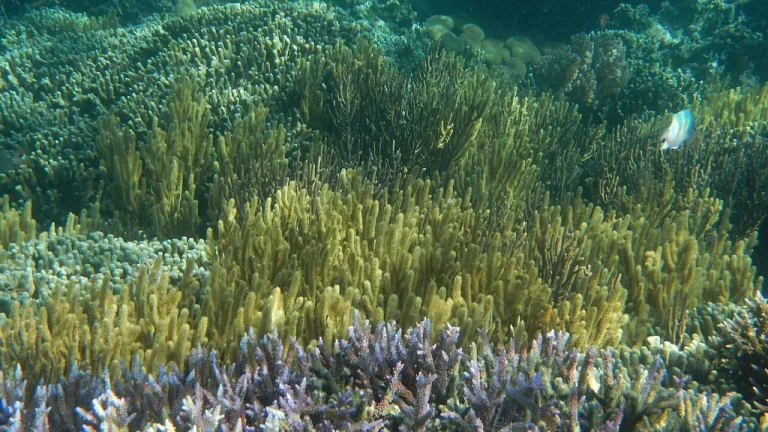
Komodo Dive Sites: A Site-by-Site Catalogue
Komodo National Park's headline dive sites — Batu Bolong, Castle Rock, Crystal Rock — have strong, unpredictable currents and suit…
10 min Read -
Diving & Marine
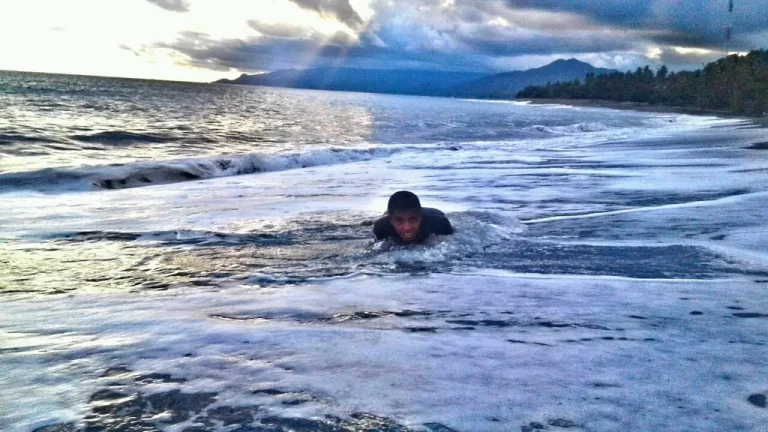
Best Beaches on Flores Island
Flores has beaches well beyond the famous Pink Beach inside Komodo National Park — black-sand surf beaches near Maumere, quiet…
11 min Read -
Diving & Marine
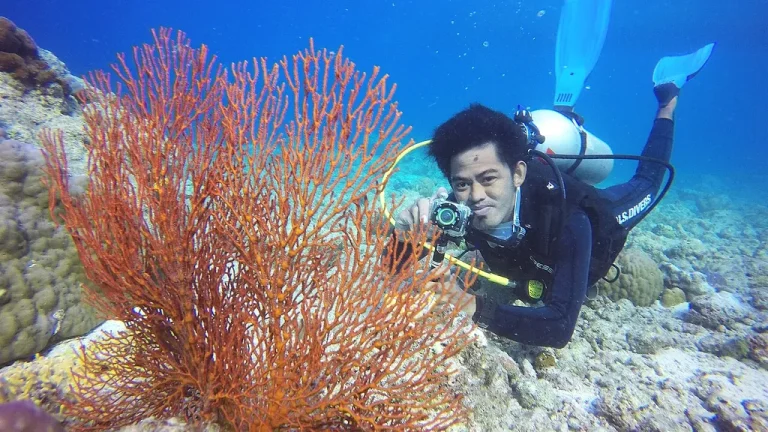
PADI Courses in Labuan Bajo: What to Expect
PADI diving courses in Labuan Bajo follow the same global standards as anywhere else in the world — an Open…
11 min Read