
Snorkeling in Komodo: Spots and Conditions
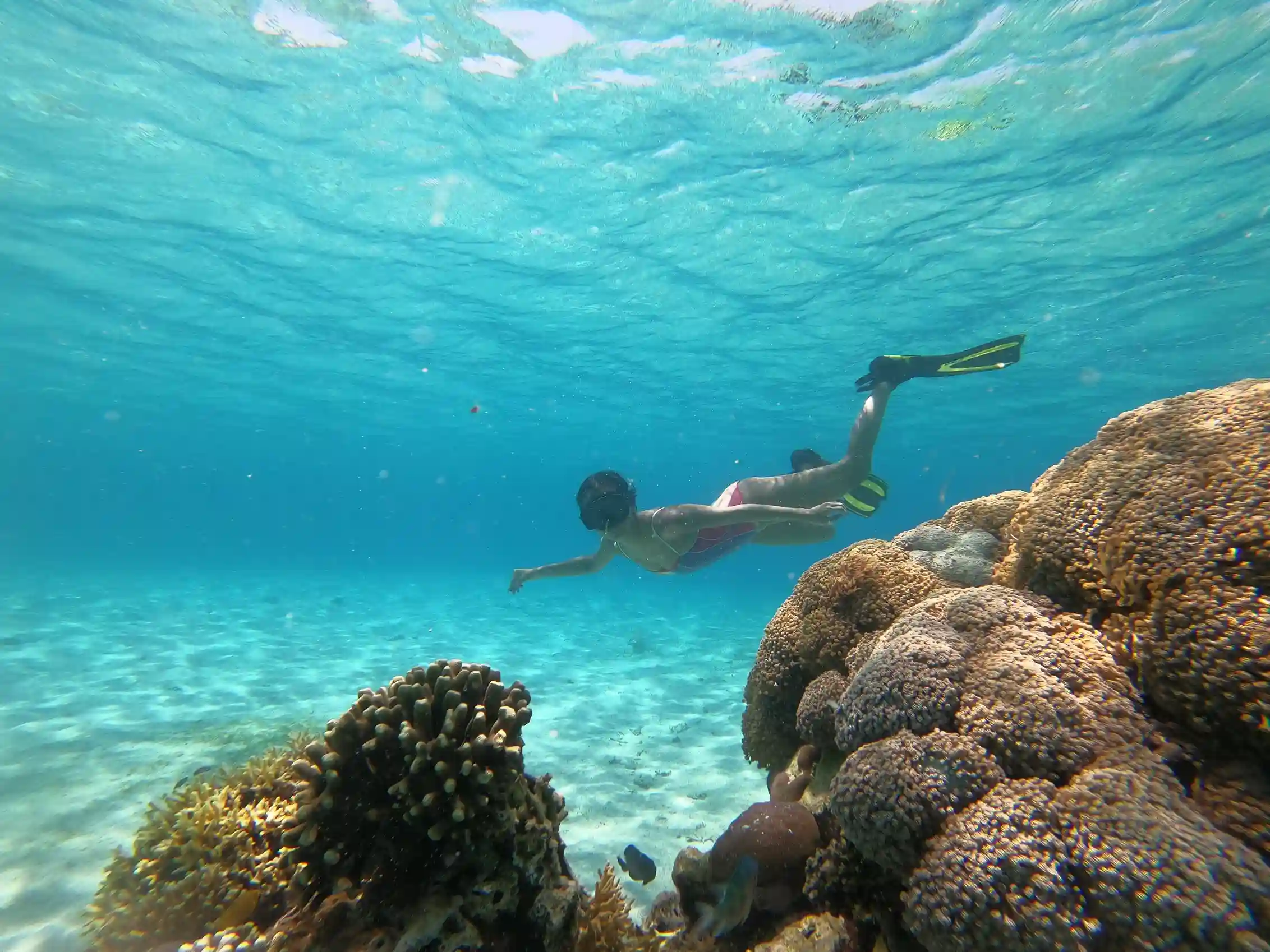
Snorkeling in Komodo National Park spans several distinct sites — Manta Point for manta rays, Pink Beach for calm shallow reef, and quieter spots like Kanawa for beginners — each with different current strength, depth and skill needs, so “where should I snorkel in Komodo” really depends on what you want to see and how confident a swimmer you are.
What Are the Main Snorkeling Spots in Komodo National Park?
Komodo National Park’s snorkeling sites aren’t interchangeable — they differ enough in current, depth and marine life that picking the right one (or two) matters more than trying to fit in every name on a list:
- Manta Point (Karang Makassar) — the park’s signature manta ray site, current-dependent and best for confident swimmers; see our dedicated Manta Point season and etiquette guide for timing and safety detail
- Pink Beach — calmer, shallow reef entry directly off a pink-tinted sand beach, one of the more accessible stops for beginners and families; typically included on the Komodo One Day Trip route
- Kanawa and nearby islands — generally the calmest water in the area, well suited to a first snorkeling attempt or a family trip
- Deeper reef sites near dive locations — better suited to strong swimmers or those combining snorkeling with a dive day, since currents can be stronger at sites primarily used by divers
How Do You Choose Between These Sites?
| If you want… | Go to |
|---|---|
| The best chance of seeing manta rays | Manta Point (tide-dependent — confirm it’s on your day’s route) |
| A calm, easy, family-friendly swim | Pink Beach or Kanawa |
| To combine snorkeling with dragon trekking in one day | Pink Beach, since it fits naturally alongside a Rinca or Komodo Island stop |
| A beginner-friendly first snorkel with no current concerns | Kanawa or a similarly sheltered nearby island |
Is It Safe to Swim and Snorkel in Komodo National Park?
Yes, with the same precautions that apply to any current-affected marine park: stay with your guide, don’t swim beyond the group, and match the site to your actual swimming ability rather than your enthusiasm. Some Komodo sites — Manta Point among them — have currents strong enough that operators only run them under suitable tide conditions and with a guide directly in the water with swimmers. Calmer sites like Pink Beach and Kanawa carry lower current risk and are the more sensible choice for hesitant or inexperienced swimmers, including most children.
Do You Need Your Own Snorkeling Gear, or Can You Rent in Labuan Bajo?
Most boat operators include or rent mask, snorkel and fins as part of a day trip or charter, so bringing your own gear is a preference rather than a necessity — the main advantage of your own mask is fit, since a leaking rental mask is one of the most common small frustrations on a snorkeling day. If you have a mask that fits you well, bringing it is worthwhile; fins and a rash guard are easy enough to rent locally if you’d rather travel light.
What Should You Bring for a Komodo Snorkeling Day?
- Reef-safe (mineral-based) sunscreen — chemical sunscreens are increasingly linked to coral stress at high-traffic snorkeling sites
- A rash guard or light wetsuit top for sun protection and warmth on longer swims
- A dry bag for phones and valuables while on the boat
- Reusable water bottle — most boats provide drinking water but plastic bottle use is worth minimizing in the park
Is Komodo Snorkeling Suitable for Beginners and Families?
Yes, at the right sites — Pink Beach and Kanawa are the two most commonly recommended starting points for beginners, first-time snorkelers, and children, since both offer relatively calm, shallow entry compared to current-affected sites like Manta Point. If you’re planning a family trip, our family tour packages guide covers which snorkeling stops work best by age group and swimming confidence.
What Marine Life Might You See While Snorkeling in Komodo?
| Site | Commonly reported marine life |
|---|---|
| Manta Point | Reef manta rays (the main draw), reef fish, occasional turtles |
| Pink Beach | Colorful reef fish, soft corals close to shore, occasional small reef sharks in deeper sections |
| Kanawa and nearby islands | Reef fish, coral gardens, generally calmer conditions for observing without current management |
Sightings are never guaranteed at any wildlife site — this is a wild marine park, not an aquarium — but Manta Point’s reputation specifically comes from consistent year-round manta presence rather than a single lucky report, which is part of why it draws snorkelers and divers who wouldn’t otherwise build a whole trip around one species.
How Much Should Snorkeling Cost, and What’s Included?
Snorkeling itself is rarely priced as a standalone product — it’s typically bundled into a day trip or charter package alongside dragon trekking and other stops, with gear rental either included or offered as a small add-on. Rather than looking for a fixed “snorkeling price,” think of it as one component of your day-trip or charter cost, and confirm specifically whether mask/fin rental is included when you compare quotes, since this detail varies between operators and affects the real total cost.
Snorkeling vs Diving in Komodo — Which Should You Choose?
Snorkeling covers the shallower, sunlit reef layer and is accessible with no training or certification; diving reaches deeper sites with stronger currents and more dramatic topography (walls, pinnacles) but requires certification and more specialized gear. Many of Komodo’s best-known sites, including Manta Point, are shallow enough to be genuinely excellent snorkel sites in their own right — you don’t need to dive to have a strong Komodo marine encounter. For a deeper look at dive-specific sites and requirements, see our Komodo diving guide.
When Is the Best Time to Snorkel in Komodo National Park?
The dry season, roughly April through November, generally offers clearer water for snorkeling across most sites, with June through September often cited as the most reliable window for visibility. Site-specific timing varies though — Manta Point’s manta activity has its own separate seasonal pattern, covered in detail on our dedicated Manta Point guide, so “best time to snorkel overall” and “best time to see mantas specifically” aren’t always the same answer.
How Many Snorkeling Stops Fit Into One Trip?
A single one-day trip realistically fits one dedicated snorkeling stop alongside a dragon-trekking visit, since travel time between sites eats into the daylight available. A private charter or multi-day liveaboard can cover two or more distinct snorkeling sites — pairing a calm beginner spot with a more current-dependent one like Manta Point, for example — simply because the extra time allows the route to be built around tide and current conditions rather than a single fixed slot.
How Do I Book a Komodo Snorkeling Trip?
- Message WhatsApp with your priority sites (manta rays, calm beginner-friendly water, or a mix) so the route can be built around them
- Mention if children or inexperienced swimmers are in your group so calmer sites are prioritized
- Ask whether your chosen day trip or charter already includes gear rental or whether you should bring your own
Should I bring my own snorkeling equipment to Komodo, or rent locally?
Most operators include or rent gear as part of a trip, so bringing your own is optional — the main benefit of your own mask is a reliable fit, since a leaking rental mask is a common minor frustration.
What are the best snorkeling spots near Labuan Bajo for beginners?
Pink Beach and Kanawa are the most commonly recommended beginner and family-friendly spots, offering calmer, shallower water than current-affected sites like Manta Point.
Can I snorkel in Komodo National Park without joining a full boat tour?
In practice, no — snorkeling sites inside the park are only reachable by boat, so even a shorter, lighter snorkeling-focused trip still requires booking a boat, whether a shared departure or a private charter, rather than accessing sites independently from shore.
Last updated: August 26, 2026.
For dive-focused travellers specifically, Komodo Luxury’s Komodo liveaboard trips are built around exactly this kind of itinerary.
This site is published by Flores Island Travel, part of Juara Holding Group, which has run travel operations from Bali since 2015 — context worth having when you read the snorkelling site rundown above. To build a snorkeling day around your group’s swimming confidence and priorities, message WhatsApp at +62 811-3810-8110 or email sales@komodoluxury.com.
Related reading
Booking is handled on the Komodo Luxury side rather than here: Labuan Bajo yacht rental, one-day Komodo trip packages or shared open-trip departures.
How Komodo and Flores Compare for Snorkelling and Diving
Choosing between Flores or Komodo for snorkeling depends largely on your experience and what you want to see. Komodo National Park for beginners offers shallow reefs, especially at Pink Beach and Kanawa, making these some of the best snorkelling spots near Labuan Bajo for new swimmers and children. Labuan Bajo snorkeling spots for non divers include nearby islands like Bidadari and Sebayur Kecil, where current is minimal and soft corals shelter calm shoals of fish. Flores Island snorkeling spots outside the park—such as Koka Beach or the 17 Islands Marine Park near Riung—are less trafficked and best for those seeking quieter sessions, but marine life is generally less dense than in Komodo proper.
The best time of year for snorkeling in Komodo is the dry season from April to November, when visibility peaks and currents are more predictable. Manta Point is a standout—both for snorkelling and for diving—but be aware that conditions here are often challenging. This site is only recommended for confident swimmers or divers with guides trained to read tidal flows; strong surface current is common, and the water is deeper than most other stops. Those wanting to try Komodo’s diving at beginner level will find easier introductions at Siaba Besar or Tatawa Besar, both recognised as gentle sites and among the best in the national park.
Komodo Pink Beach marine life includes damselfish, parrotfish, sea stars, and the rare pink coralline algae that gives the sand its distinct tint. While Bali has more year-round options and a gentler learning curve, Komodo delivers higher biodiversity per square metre—hence its UNESCO status. In a direct comparison—Flores vs Bali vs Komodo for snorkeling—Komodo is the clear winner for marine life density and memorable encounters, but Flores offers a quieter, more local experience if you prefer uncrowded waters over signature species.
Frequently Asked Questions
Can you snorkel at Manta Point Komodo?
Yes, you can snorkel at Manta Point Komodo, but only if currents are manageable on your visit. Most snorkel tours check tide tables and run stop-offs between March and May, when mantas congregate and surface conditions are safest. Beginners should assess fitness first—currents here are strong, and guides insist on group formation for safety.
Which are the best snorkeling spots near Flores?
The best snorkeling spots near Flores include the 17 Islands near Riung, Koka Beach east of Maumere, and Kanawa Island just off Labuan Bajo. The 17 Islands Marine Park is particularly notable for healthy reefs and calm waters, best visited from June to October for clear seas and minimal rain.
Can I swim with manta rays in Komodo?
Yes, you can swim with manta rays in Komodo, most reliably at Manta Point within the national park. Encounters are seasonal, peaking March to May and September to November. Boats anchor downstream and guides enter the water with you; sightings are common but not guaranteed due to wild animal behaviour.
Can you swim near Komodo Island safely?
You can swim near Komodo Island safely at designated beach areas, particularly Pink Beach, with lifeguard supervision and local boat guides. Avoid swimming in open water channels and follow tide advice—some sites are off-limits during high current hours, and guides will advise if conditions are unsafe for entry.
Keep reading
More from the journal
-
Diving & Marine
Komodo Dive Sites: A Site-by-Site Catalogue
Komodo National Park's headline dive sites — Batu Bolong, Castle Rock, Crystal Rock — have strong, unpredictable currents and suit…
10 min Read -
Diving & Marine
Best Beaches on Flores Island
Flores has beaches well beyond the famous Pink Beach inside Komodo National Park — black-sand surf beaches near Maumere, quiet…
11 min Read -
Diving & Marine
PADI Courses in Labuan Bajo: What to Expect
PADI diving courses in Labuan Bajo follow the same global standards as anywhere else in the world — an Open…
11 min Read