
Diving Komodo: Seasons and Safety Planning
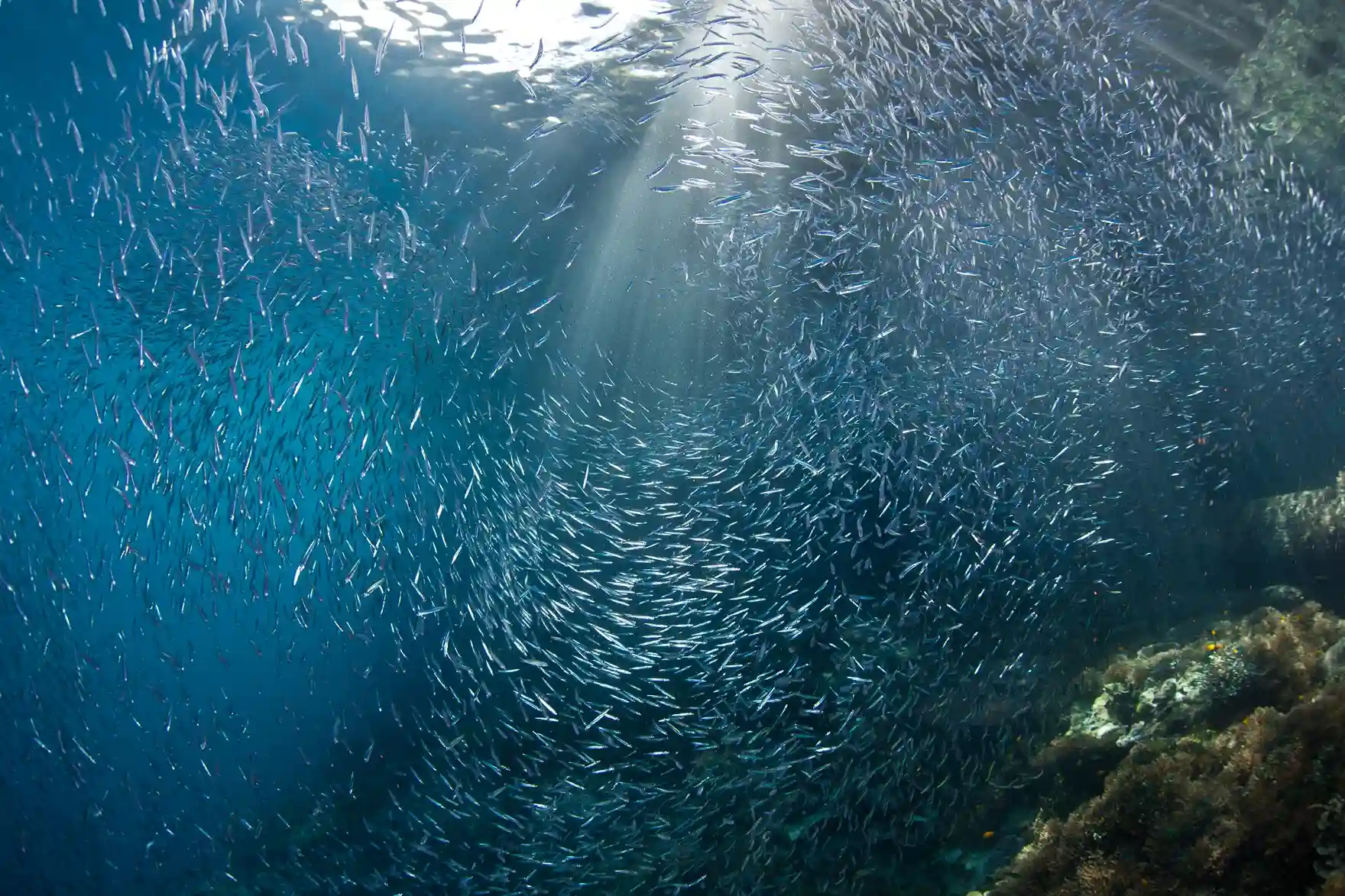
Diving Komodo National Park means planning around two distinct current systems, a wide temperature range across the park’s north-south stretch, and a genuine safety profile that rewards proper certification and a cautious operator over bravado. Rather than catalogue every dive site here, this guide focuses on what actually determines a safe, well-timed Komodo dive trip: season, currents, certification level, and how to choose an operator that takes decompression risk seriously. For a full site-by-site catalogue, see our companion guide to individual dive sites.
Last updated: August 26, 2026.
Why Season Matters More in Komodo Than Almost Anywhere Else
Komodo National Park spans a long north-south stretch of water where the Flores Sea to the north and the Indian Ocean/Sumba Strait to the south meet, which is exactly why the park has such a strong reputation for big pelagic encounters — nutrient-rich upwelling currents draw manta rays, sharks, and dense fish life to specific sites at specific times of year. The trade-off is that those same currents can be genuinely strong, and conditions vary meaningfully by season and even by site within a single day’s itinerary. April to November, the dry season, is generally the more reliable window for calmer conditions and better visibility, while December to March brings rougher water and a higher chance an operator reschedules a dive around weather. Manta ray sightings at cleaning stations are reported more consistently through roughly April to December, though — as with any wildlife encounter — nothing is ever guaranteed on a specific day.
Understanding Komodo’s Currents
Current strength and direction in Komodo National Park can change within a single dive, sometimes reversing between the surface and a deeper thermocline layer — this is one of the park’s defining technical challenges and part of why it has a reputation among the diving community as a destination for divers who are comfortable with drift diving and current management, not a beginner-only playground. A competent dive guide plans entry and exit points around the day’s current forecast and briefs divers thoroughly beforehand, including what to do if separated from the group in a current. If you’re newer to diving, tell your operator honestly during booking rather than after arrival — reputable Komodo dive operators route less-experienced divers toward calmer, more sheltered sites and reserve the stronger-current sites for divers with the logged experience to handle them safely.
What Certification Level Do You Need?
An Open Water certification is the minimum most operators require, but Komodo rewards additional training given its current and depth profile — an Advanced Open Water certification, or at minimum a drift-diving specialty or genuine logged experience in current conditions, makes a real difference to how comfortable and safe you’ll feel at the park’s more current-affected sites. If you’re not yet certified, Labuan Bajo has PADI course providers where you can complete Open Water or Advanced training before your Komodo dives, though this adds several days to your trip — worth factoring into your overall itinerary planning rather than assuming you can certify and dive challenging sites in the same short visit.
Choosing a Safety-Conscious Dive Operator
The difference between a good and a risky Komodo dive trip usually comes down to operator practices rather than luck. Before booking, ask directly: does the operator carry oxygen and a first-aid kit trained crew can actually use on every dive boat? Do they check certification cards and log books rather than taking your word for it? Do they brief current conditions and a clear group-separation protocol before every dive, not just the first one of the trip? Is diver insurance that covers decompression sickness treatment either included or clearly required before booking? Labuan Bajo’s Siloam Hospitals is commonly cited as having a hyperbaric chamber for decompression treatment, which matters given the park’s current profile — but the better outcome is never needing it, which starts with an operator who plans dives conservatively rather than pushing depth or bottom time to impress.
Liveaboard vs. Day-Boat Diving
A liveaboard diving itinerary reaches more of the park’s spread-out sites across several days without the daily round-trip from Labuan Bajo eating into dive time, and it’s the standard choice for divers prioritizing depth of experience over convenience. Day-boat diving from Labuan Bajo works well if your schedule is shorter or you’re mixing diving with non-diving travel companions on the same trip, though it limits you to sites reachable within a comfortable day’s round trip. Our Komodo yacht charter page covers how a private multi-day charter can be built around a dive-focused itinerary rather than the standard sightseeing route.
Practical Safety Checklist Before You Book
- Confirm your certification level matches the operator’s site recommendations — be honest about your experience rather than overstating it.
- Ask about oxygen and emergency protocol on the boat, and whether crew are trained to use it.
- Get dive insurance that explicitly covers decompression sickness treatment, not just general travel medical cover.
- Ask how the operator plans around current — a specific, confident answer is a good sign; a vague one is not.
- Confirm surface interval and no-decompression limits are tracked properly between dives, especially on multi-dive days.
Water Temperature and Exposure Protection
Komodo’s north-south current mixing produces a notably wide temperature range for a single park — the northern sites near the Flores Sea run noticeably warmer than the southern sites closer to the Indian Ocean/Sumba Strait influence, and thermoclines mid-dive are common enough that many divers feel a distinct temperature drop at depth even on a single dive. A 5mm wetsuit is the standard recommendation for Komodo diving year-round, and some divers add a hood or vest for southern sites or during the cooler months, even though Indonesia’s tropical reputation makes this a genuine surprise for divers coming from warmer, more uniform destinations. Confirm with your operator which sites are on the day’s plan so you can gauge exposure protection accordingly, particularly on multi-site liveaboard days that span both warmer northern and cooler southern anchorages.
Macro Diving as an Alternative to Big-Animal Sites
While Komodo’s reputation rests heavily on manta rays and current-driven pelagic encounters, the park also has a genuine macro diving side — smaller critters, nudibranchs, and reef-dwelling species found in the calmer, more sheltered bays alongside the dramatic current sites. This makes Komodo a reasonably well-rounded destination for a mixed-level dive group: stronger divers can take on the current sites while less-experienced or macro-focused divers spend the same day at a calmer, equally rewarding site nearby, without splitting into separate trips entirely.
Komodo vs. Raja Ampat: Which Should Divers Choose First?
Both are Indonesian diving destinations with strong reputations, but they reward slightly different priorities. Komodo is better known for current-driven pelagic action — mantas, sharks, and strong drift dives — within a more established, easier-to-reach tourism infrastructure around Labuan Bajo. Raja Ampat is generally regarded as having even higher coral biodiversity and calmer, more classic reef diving, at the cost of a longer and more expensive journey to reach. Neither is objectively “better” — the choice depends on whether current-driven pelagic encounters or calm, biodiverse reef diving is the priority for a given trip.
Frequently Asked Questions
Do I need Advanced certification to dive in Komodo?
Open Water is the minimum most operators require, but Advanced certification or genuine logged current-diving experience is strongly recommended given Komodo’s current profile, especially for the park’s stronger-current sites.
What is the best season for diving in Komodo?
April to November (dry season) generally offers calmer conditions and better visibility. Manta sightings are reported more consistently through roughly April to December, though never guaranteed on any given day.
Is Komodo diving safe for beginners?
It can be, at the park’s calmer, more sheltered sites — but tell your operator your true experience level honestly so they route you appropriately rather than to the park’s stronger-current sites.
Do I need special dive insurance for Komodo?
Yes — specifically insurance that covers decompression sickness treatment, given the park’s current profile. Confirm this before booking rather than assuming standard travel insurance covers it.
Is Komodo or Raja Ampat better for diving?
Komodo suits divers prioritizing current-driven pelagic encounters with easier access; Raja Ampat suits those prioritizing calmer, higher-biodiversity reef diving and are willing to travel further to reach it.
Plan Your Komodo Diving Trip
The dive-season briefing here is free to act on yourself, and Komodo Luxury’s liveaboard charter page exists for the trips where you would rather not.
Nothing in the dive-season briefing here books itself; once it makes sense to you, the next click is Labuan Bajo tour options. Divers who want a surface interval day usually take the standard sightseeing loop — Padar viewpoint, a dragon landing, Pink Beach and a snorkel stop — which follows a fixed sequence and a fixed departure time rather than a dive plan; those day formats are listed on the Komodo boat tours page. Sleeping on board is what buys the early and late slots, because the boat is already anchored near the site when the current turns; the vessels set up for that, and the cabin grades on each, appear in the Komodo liveaboard listing.
Beyond the Bubbles: Comprehensive Safety and Seasonal Planning for Komodo and Flores Diving
Season and safety are the same conversation in Komodo. The reliable diving window runs April to November, when visibility is better and wind patterns are more predictable — good conditions for experienced divers and for anyone doing their first dives here. December to March brings reduced visibility, choppier crossings and more frequent cancellations. Check forecasts as your dates approach, and favour operators who reschedule or swap sites day by day rather than sailing a fixed programme regardless of conditions.
Current is the defining feature of the region. Drift diving is the norm, and some sites change character within a single dive as the tide turns. If you are newer to current, ask for Sebayur or the sheltered northern sites, and confirm the guide gives a full pre-dive briefing rather than a two-line summary. Carry a surface marker buoy and know the group’s separation protocol before you enter the water — that one habit matters more than any gear upgrade. Divers who prefer macro or a slower pace should ask about alternatives to the famous big-fish sites. On a liveaboard, check the oxygen kit, the radio, the crew’s training record and the written emergency procedure; a boat that cannot show you those is telling you something.
Water temperature varies more than most visitors expect: around 28°C in the north, and as low as 21°C in the south and during upwellings. A 5mm suit with a hooded vest suits most people. Those same upwellings are why shark and pelagic encounters spike at certain sites. Hold neutral buoyancy, do not chase wildlife, and keep track of current direction near drop-offs.
The land side has its own rules. Follow the ranger’s instructions without improvising, never approach a dragon, and keep children within arm’s reach. On the overland stretches, use transport you have vetted, confirm the day’s logistics with whoever arranged the trip, and read up on general safety before you arrive rather than on the drive. In Labuan Bajo, take local advice on tides and harbour traffic before timing a shore entry. Booking early, checking the operator properly and leaving room to move a day are what actually make a Flores trip work.
More Questions Answered
How to avoid currents diving Komodo?
Dive northern and central Komodo sites during slack tide windows to minimise current risk. Sites like Sebayur Kecil and Turtle City are typically sheltered. Plan dives with an experienced guide, and always check the tidal chart for your dive dates.
Which islands near Flores are best for diving?
Komodo, Rinca, and the smaller islands of Padar and Banta offer the best diving near Flores. Komodo and Rinca deliver large pelagic action and coral walls, while Banta is known for clear water and rugged, less-crowded sites, especially during May–October.
Can children snorkel or dive safely in Komodo?
Children aged 10+ can dive at sheltered sites with a qualified instructor, while snorkeling is best in calm bays like Kanawa or Pink Beach. Always stay within arm’s reach, follow ranger instructions on Komodo walks, and avoid strong-current sites with kids.
For a private charter built around a dive-focused itinerary rather than standard sightseeing stops, see our Komodo yacht charter page or send your certification level and dates on WhatsApp to wa.me/6281138108110.
Keep reading
More from the journal
-
Diving & Marine
Komodo Dive Sites: A Site-by-Site Catalogue
Komodo National Park's headline dive sites — Batu Bolong, Castle Rock, Crystal Rock — have strong, unpredictable currents and suit…
10 min Read -
Diving & Marine
Best Beaches on Flores Island
Flores has beaches well beyond the famous Pink Beach inside Komodo National Park — black-sand surf beaches near Maumere, quiet…
11 min Read -
Diving & Marine
PADI Courses in Labuan Bajo: What to Expect
PADI diving courses in Labuan Bajo follow the same global standards as anywhere else in the world — an Open…
11 min Read