
Komodo Liveaboard Boats And Cabins: Types And Comparisons
Understanding Komodo Liveaboard Boats and Cabins
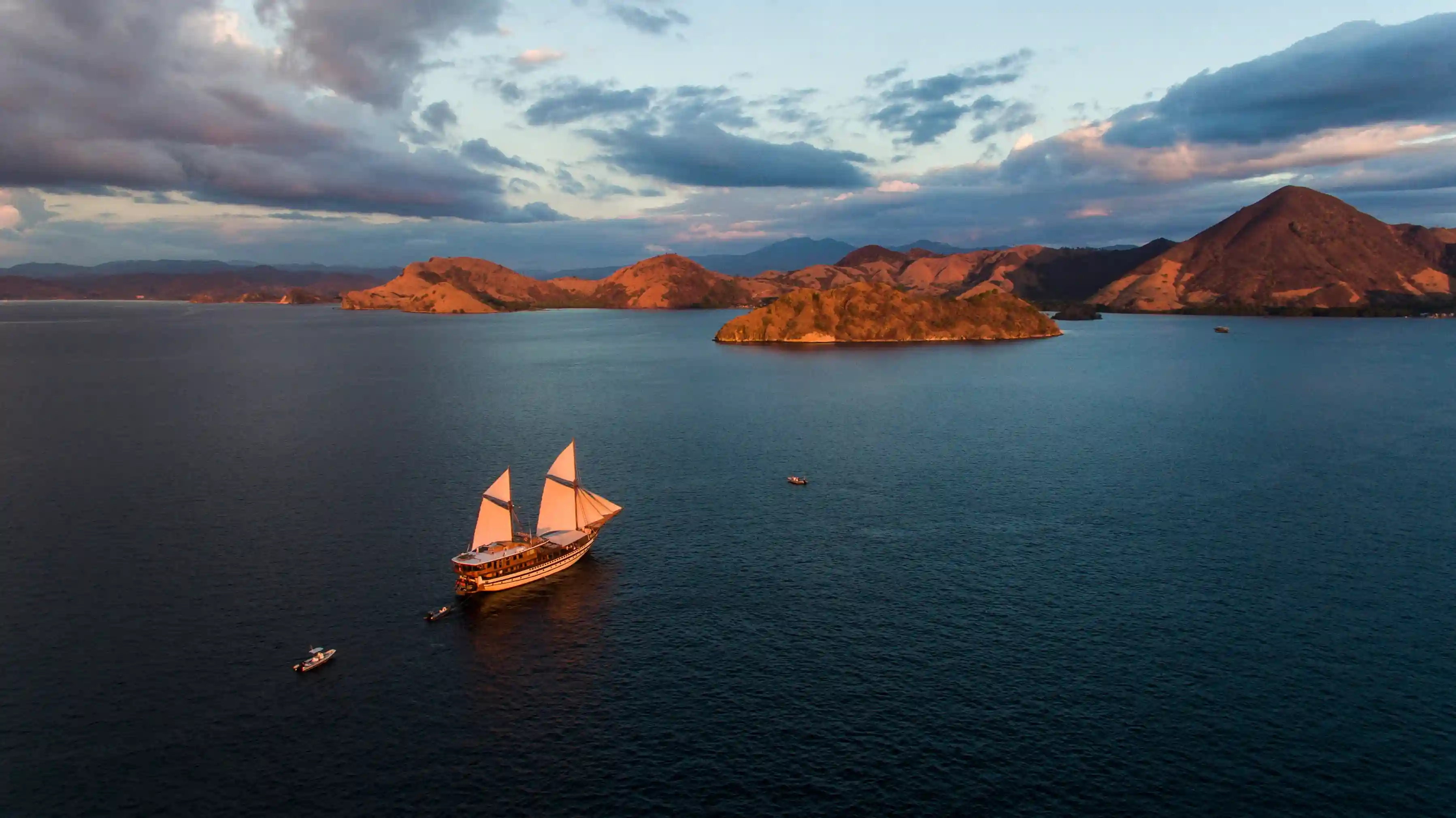
Komodo liveaboard boats are a popular way to explore the stunning waters and islands of Komodo National Park. These vessels allow travelers to dive, snorkel, and experience the incredible biodiversity while enjoying comfortable accommodations. In 2026, travelers can choose from a variety of liveaboard options, ranging from luxury yachts to budget-friendly dormitories, catering to all types of adventurers.
Types of Liveaboard Boats in Komodo
liveaboards in Komodo, you’ll typically come across two main types: phinisi boats and speedboats. Each type offers distinct advantages depending on your travel preferences and the experience you seek.
Phinisi Boats
- Traditional Design: Phinisi boats are traditional Indonesian sailing vessels crafted from hardwood. These boats are not only a sight to behold but also provide a unique cruising experience.
- Comfort: Many phinisi boats are equipped with comfortable cabins, dining areas, and social spaces. At the luxury end, a private cabin usually means an en-suite bathroom, air conditioning and generous lounging space on deck.
- Duration: Most phinisi trips last between 3 to 7 days, offering ample time to explore the best dive sites and breathtaking islands.
Speedboats
- Quick Transfers: Speedboats are designed for faster travel between destinations. They can significantly reduce the time spent commuting, making them ideal for day trips.
- Less Comfort: Although speedboats can be comfortable, they generally lack the amenities found on phinisi boats, often offering shared dorm options for budget travelers.
- Ideal for Short Trips: Speedboat trips usually last a few hours and can be perfect for those looking to dive at specific sites without the commitment of an overnight stay.
Cabin Options on Komodo Liveaboard Boats
The type of cabin you choose can greatly affect your liveaboard experience. Here’s a breakdown of the various cabin types you’ll encounter.
Luxury Private Cabins
If you prefer privacy and comfort, a luxury liveaboard with a private cabin is ideal. These cabins often feature:
- Ensuite Bathrooms: A private bathroom can make your stay much more comfortable.
- Air Conditioning: Many luxury cabins are equipped with air conditioning, making your rest more pleasant amidst the tropical heat.
- High-Quality Furnishings: Expect quality linens and spacious layouts, some even with panoramic windows to enjoy the views.
Shared Dorm Cabins
On a tight budget, the shared dormitory boats are the way in. These cabins usually have:
- Multiple Bunks: A communal sleeping arrangement, accommodating 4 to 10 guests.
- Shared Facilities: You will share bathrooms and common areas, which can be a great way to meet fellow travelers.
- Lower Price Point: Shared cabins start from USD 300 per person for the standard three-day, two-night voyage — from USD 220 on weekday departures — making them the most affordable way on board.
Ensuite Cabins: Meaning and Benefits
When looking at options, you might encounter the term “ensuite cabin.” This means that the cabin comes with its own private bathroom, which is a significant upgrade from shared facilities.
- Privacy: Having your own bathroom ensures you can freshen up without waiting in line.
- Comfort: The added convenience of an ensuite can make your trip more enjoyable, especially after a long day of diving.
Considerations for Choosing Your Cabin
When deciding on the best cabin on a Komodo liveaboard, consider the following factors:
Air Conditioning
Air conditioning on Komodo boats can make a significant difference, particularly during the warmer months from December to March. Look for boats that offer this amenity if you’re sensitive to heat.
Seasickness Concerns
If you’re prone to seasickness, the cabin’s location is crucial. The best cabin on a Komodo liveaboard for seasickness is generally towards the center of the boat, where there’s less movement. Also, phinisi boats tend to provide a smoother ride compared to speedboats with noisy engines.
Noise Levels
Some boats, especially older models, may have noisy engines that can disrupt your sleep. Read the reviews from Labuan Bajo to get a sense of which boats offer a quieter experience. Many newer vessels are designed to minimize engine noise, enhancing your comfort during the trip.
Liveaboard Itineraries and Diving Experiences
Liveaboard trips in Komodo typically include a mix of diving, snorkeling, and land excursions. Here’s what you can expect:
Typical Itineraries
Most itineraries are designed to cover key highlights of the Komodo National Park, including:
- Rinca Island: Home to the famous Komodo dragons, you’ll have the opportunity to trek and observe these magnificent creatures.
- Padar Island: Known for its iconic views, a hike to the top rewards you with breathtaking panoramas.
- Diving Spots: Expect to dive at renowned sites like Batu Bolong and Manta Point, where you can see vibrant coral reefs and possibly swim with manta rays.
Diving Depth and Conditions
In terms of diving depth, most sites range from 10 to 30 meters (33 to 98 feet), with some advanced locations going deeper. The best diving season runs April to November, matching the dry season, with visibility often exceeding 30 metres (98 feet). Expect water temperatures between 21°C and 29°C (70°F to 84°F), with the southern sites at the cold end during July and August.
Costs and Booking Your Liveaboard
As you prepare for your trip in 2026, it’s important to consider pricing and booking options. Liveaboard prices can vary significantly based on the type of boat, cabin choice, and duration of the trip. Here’s a general idea of what to expect:
| Boat Type | Published per-person rate, standard 3D2N voyage | Cabin Type |
|---|---|---|
| Luxury Phinisi | Up to about USD 850, the top cabin classes on the vessel | Private Ensuite |
| Standard Phinisi | Between USD 300 and USD 850, by cabin class | Shared Ensuite |
| Budget Phinisi | From USD 300, or USD 220 on weekday departures | Shared Dorm |
Booking your liveaboard in advance is advisable, especially for peak seasons (June to September). Utilize reliable travel agencies or platforms specializing in Indonesian excursions to secure the best options.
Conclusion
With a variety of liveaboard options available in Komodo, choosing the right boat and cabin can dramatically impact your experience. Whether you opt for a luxury phinisi with all the bells and whistles or a budget-friendly shared dorm, the allure of Komodo’s underwater world awaits. Don’t hesitate; start planning your adventure today!
FAQ
- What is the best time to go on a liveaboard trip in Komodo? The best window is April to November, the dry season, when visibility is highest and conditions are most settled.
- Are meals included in the liveaboard price? Yes, most liveaboards include meals, snacks, and sometimes drinks, but it’s best to confirm with your specific boat.
- Do I need to be an experienced diver to join a liveaboard? No, many liveaboards cater to divers of all levels, including beginners.
Explore more from Floresislandtravel
- Floresislandtravel — home
- Flores Island Travel – Frequently Asked Questions
- Best Time for Flores Island Travel – Insider Guide
- Flores Island Travel Comparison & Alternatives
- Private Vs Shared Komodo Boat Trips: Which To Choose?
- Komodo Boat Trip Prices: What You Really Get For Your Money
For the liveaboard side of this specifically, Komodo Luxury’s Komodo liveaboard trips list cabin types and routes worth comparing before booking.
Check dates with Komodo Luxury →
Related reading
Where planning turns into a booking, that is Komodo Luxury: Komodo boat charter classes, VIP boat charter or deluxe boat charter.
Liveaboard Standards and Safety Features
Safety and comfort standards vary widely between cabin classes, and the gap between a basic dormitory and a high-end private suite is larger here than the price difference suggests. Reputable vessels are required to carry life jackets for every passenger, fire extinguishers in all major areas, and emergency rafts or dinghies. Before booking, ask operators for details on their safety equipment, evacuation plans, and crew training. Not all boats go beyond the legal minimum, especially at the more budget end.
The fleet out of Labuan Bajo runs from wooden phinisi schooners, which combine heritage hulls with modern fittings, to fibreglass speedboats built for short, fast hops. Phinisi boats tend to be slower but more stable in rougher seas, while speedboats can feel more exposed and less forgiving if waves pick up. Consider vessel type in relation to your comfort with sea travel—especially in shoulder months, when weather and currents fluctuate.
On a typical liveaboard, safety briefings are held at the start of every trip. The best operators will walk guests through muster points, life raft deployment, and how to use radio and signalling devices. Always check that there is at least one working VHF radio on board and some means for satellite communication, as mobile signal is patchy in the southern and central park zones.
Sea conditions on these journeys are strongly influenced by season. March to October brings mostly calm seas, but July–August can see choppy waters, particularly in the Sape Strait and around Gili Lawa. From November to February, monsoon winds make certain routes less reliable and crossings rougher. If you are prone to seasickness, choose itineraries that hug the northern or central park areas and opt for larger, more stable vessels.
Frequently Asked Questions
What amenities are typical in a Komodo liveaboard cabin?
Most cabins offer at minimum a bed, reading light, power outlet, and a small shelf or locker. Luxury cabins include ensuite bathrooms, air-conditioning, and windows. Budget cabins often have shared bathrooms and may lack air-conditioning, especially on smaller or older boats.
How many people share a dorm in the common Flores liveaboard cabin types?
Dorm-style cabins on Flores liveaboard boats usually sleep four to six people per room in bunk beds. Some budget boats offer eight-bed dorms, but these are less common. Privacy is limited, and you will typically share bathroom facilities with fellow travellers.
When are sea conditions for Komodo liveaboard trips calmest?
Sea conditions are generally calmest from March to June and September to early November. During these months, wind and wave activity are minimal, making crossings smoother. July–August can be windier, while December–February often brings rough seas and heavy rain.
How do Komodo liveaboard boat types from Labuan Bajo differ in safety equipment?
Phinisi boats tend to carry more extensive safety gear, including multiple life rafts, fire alarms, and satellite phones. Speedboats often carry the minimum required equipment—lifejackets and basic first aid—but may lack larger rescue crafts or backup radios found on larger vessels.
Keep reading
More from the journal
-
Komodo & Boats
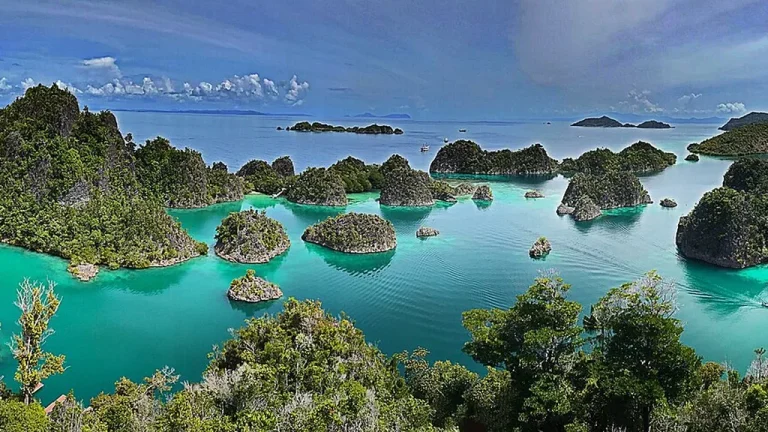
Combining Flores and Raja Ampat in One Trip
Flores and Raja Ampat can be combined into one trip, but they are not next-door destinations — there is no…
11 min Read -
Komodo & Boats
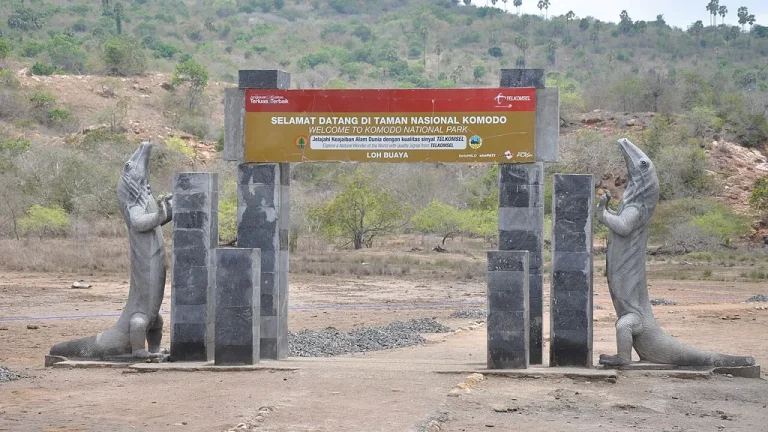
Is Komodo National Park Open? Status Explained
Komodo National Park is open to visitors. It has never been fully and permanently closed, despite repeated news cycles suggesting…
10 min Read -
Komodo & Boats
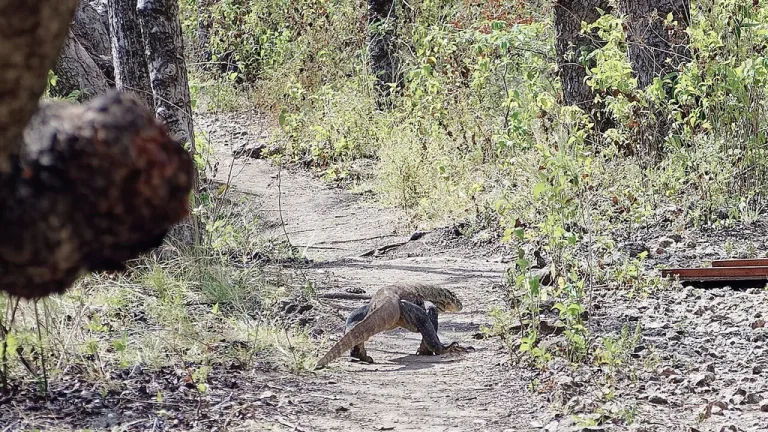
Komodo Dragons: Facts and Safety Rules
Komodo dragons are the world's largest lizard, growing up to about 3 meters and 70–90 kilograms on average (the largest…
11 min Read