Seasickness, Safety And Health On Komodo Boat Trips
Seasickness, Safety And Health On Komodo Boat Trips
Experiencing the natural beauty of Komodo Island by boat is a thrilling adventure, but it’s essential to ensure a safe and enjoyable trip. From dealing with seasickness to understanding safety standards and medical facilities, this guide covers everything you need to know for a smooth sailing experience.
Understanding Seasickness and Its Symptoms
Seasickness, or motion sickness, occurs when there’s a disconnect between what your eyes see and what your inner ear senses. On a boat trip in Komodo, the gentle rocking can sometimes transform into discomfort. Symptoms can include nausea, dizziness, and, in severe cases, vomiting. If you’re prone to seasickness, knowing how to manage it is vital before boarding any of the local boats.
How to Keep Seasickness Under Control
To minimize the chances of seasickness on your Komodo boat trip, consider the following tips:
- Choose the Right Seat: The best seat on a Komodo boat to avoid nausea is typically in the middle, closer to the center of gravity. Avoid sitting at the front or back, where the motion is more pronounced.
- Stay Outside: Fresh air can significantly help reduce feelings of nausea. Spend as much time on deck as possible.
- Stay Hydrated but Avoid Heavy Meals: Drink water but avoid greasy or heavy foods before and during the trip.
- Ginger and Acupressure: Ginger candies or acupressure wristbands can provide some relief for mild symptoms.
- Use Motion Sickness Tablets: Common motion sickness tablets for Komodo tours include Dramamine or Bonine. Take them about an hour before boarding for the best effect.
Is Komodo Boat Trip Safe in Rainy Season?
The rainy season in Flores typically spans from December to March, and while it can bring dramatic scenery and lush landscapes, it’s essential to be cautious. Rain can lead to rougher waters and decreased visibility for navigation. However, many reputable operators conduct boat trips year-round. If you’re planning a trip during this time:
- Check Weather Conditions: Always monitor weather forecasts before your trip to assess the safety of conditions.
- Choose a Reputable Operator: Opt for well-reviewed companies with experience in these waters. Rainy-season day trips are priced from the same published starting rate as the rest of the year — from USD 90 per person on the published rate card of Komodo Luxury, the licensed operator that fulfils the trips referenced on this site (checked August 2026).
- Safety Gear: Ensure your boat is equipped with life jackets and safety standards as mandated by local regulations.
Life Jackets and Safety Standards on Labuan Bajo Boats
Safety should always be a priority on any boat trip. In Labuan Bajo, the local authorities have implemented safety standards for all passenger boats. Here’s what you should look for:
- Life Jackets: Every boat should have enough life jackets for all passengers. Make sure to wear one during your trip, especially if you’re prone to seasickness.
- Emergency Equipment: Boats should be equipped with flares, first aid kits, and life rafts. Ask your operator if you don’t see these items.
- Experienced Crew: The crew should be knowledgeable about safety protocols and trained in first aid.
Food Allergies on Komodo Liveaboard
If you’re considering a liveaboard experience in Komodo, it’s crucial to communicate any food allergies in advance. Many liveaboard operators can accommodate dietary restrictions, but you must inform them when you book your trip. Meals typically cater to a variety of tastes, with local Indonesian dishes being prominent. Multi-day liveaboards start from USD 300 per person per voyage on the standard three-day, two-night open trip — from USD 220 on weekday departures — which usually includes meals, guided activities, and accommodation on board.
Toilet and Shower Situation on Komodo Boats
Understanding the toilet and shower facilities on Komodo boats can help set your expectations. Most day trip boats have basic facilities, often just a single toilet. Liveaboards generally offer more reliable plumbing and showers, but these may still be quite basic. Be prepared for limited water pressure, and always bring your toiletries, including biodegradable soap, to minimize environmental impact.
Medical Facilities in Labuan Bajo
Labuan Bajo has a few medical clinics; however, comprehensive care may sometimes require evacuation to larger cities like Bali. The main hospital, RSUD Komodo, offers basic medical services, but it’s wise to have a first-aid kit on hand during your boat trip. For more severe issues, medical evacuation by boat or air may be necessary. Ensure your travel insurance covers emergency medical evacuation, especially if you’re diving.
Travel Insurance for Komodo Diving Trips
Before embarking on your adventure, purchasing appropriate travel insurance is essential. Look for policies that cover trip cancellations, medical emergencies, and diving-related incidents. Costs for travel insurance can range from $50 USD to $150 USD, depending on coverage. Some insurers even cover specific adventure activities, which is important if you plan to dive or hike in the area.
The Short Version
When planning a trip to Komodo Island, staying informed about seasickness, safety, and health will enhance your experience. Armed with the right knowledge, you can explore the stunning waters and remarkable wildlife without a hitch. Remember to choose reliable operators, communicate dietary needs, and keep safety at the forefront of your plans.
FAQ
- What are the best motion sickness tablets for Komodo tours? Dramamine and Bonine are widely recommended for managing seasickness.
- Is it safe to travel during the rainy season in Komodo? Yes, but monitor weather conditions and choose experienced boat operators to ensure safety.
- What medical facilities are available in Labuan Bajo? Labuan Bajo has basic medical clinics, but for serious issues, evacuation to Bali may be necessary.
Ready to an unforgettable journey in Komodo? Prepare wisely and set sail!
Pre-Trip Preparations for a Safe Voyage
Preparation is key when embarking on a boat trip in Komodo, especially for those concerned about seasickness or safety. Here are some essential steps to take before your journey:
- Choose the Right Time: The best months for a boat trip in Komodo are April to November, the dry season, when the seas are generally calmer. Consider avoiding the rainy season from December to March, as heavy rainfall can lead to rougher waters.
- Pack Essentials: Bring along seasickness medications, such as meclizine or ginger tablets, which can help mitigate symptoms. You can find some options at local pharmacies, but it’s best to come prepared.
- Book with Reputable Operators: Ensure that you select a boat company with a solid safety record. Look for vessels that are well-maintained and equipped with life jackets and first aid kits. Companies like *Floresta Cruises* or *Komodo Dive Center* are popular choices.
Navigating Safety Protocols on Board
Safety should always be a priority while enjoying the stunning scenery of Komodo. Familiarize yourself with the following safety protocols before setting sail:
- Safety Briefing: Pay attention to safety briefings given by the crew. They will inform you about emergency procedures, including how to use life jackets and what to do in case of bad weather.
- Life Jackets: Make sure that your boat has enough life jackets for all passengers. Check that they are in good condition and available for use at all times.
- Weather Monitoring: Stay informed about the weather conditions. Your captain should monitor the weather and may alter the itinerary if storms are approaching.
Getting Help Fast: Evacuation and Emergency Cover
While exploring the remote regions of Komodo, it’s essential to be aware of the medical facilities available in case of an emergency:
- Nearest Medical Facilities: The nearest healthcare facilities are on Labuan Bajo, where you can find clinics and the *Siloam Hospital*. It’s wise to take note of their locations in case of medical emergencies.
- First Aid Kit Availability: Ensure that the boat you charter has a well-stocked first aid kit. This should include items like band-aids, antiseptic wipes, motion sickness tablets, and any personal medications you may require.
- Contact Emergency Services: In case of serious medical issues during your trip, know how to contact local emergency services. The boat captain can assist with communication if needed.
Post-Trip Health Considerations
After your adventure in Komodo, be mindful of your health as you transition back to dry land:
- Hydration: Replenish fluids after your boat trip, especially if you experienced seasickness. Water is crucial, but consider adding electrolytes to help restore balance.
- Monitor Health Symptoms: Keep an eye on any lingering symptoms such as dizziness or nausea. If they persist beyond a few hours after your trip, consult a local healthcare provider.
- Preventative Care: If you experienced severe seasickness, consider scheduling a follow-up consultation with a doctor in Labuan Bajo to discuss preventative options for future trips.
Explore more from Floresislandtravel
- Floresislandtravel — home
- how to book a Flores trip
- faq — floresislandtravel.com 135 questions answered
- Best Time for Flores Island Travel – Insider Guide
- Packing For Flores And Komodo What
- Sustainable And Ethical Travel In Flores And Komodo
Nothing in the seasickness and safety guidance here books itself; once it makes sense to you, the next click is Komodo Luxury.
Check dates with Komodo Luxury →
Related reading
Seasickness is worst on the open crossings between islands, which is why the choice of boat matters more than the choice of tablet. Short day sailings keep you in sheltered water for most of the route, and they have their own page on Komodo boat tours. Two- and three-night runs give the inner ear time to settle, and the cabins for those are at the Komodo liveaboard fleet. If motion is a genuine problem, a larger hull chartered whole rides swell better and can slow down when you ask: Labuan Bajo yacht rental.
Health and Hygiene Risks Onboard and Ashore
Maintaining good health on a Komodo boat trip relies on vigilance about food and water hygiene. Tap water is unsafe to drink anywhere in Flores; always use bottled or properly filtered water for drinking, brushing teeth, and making ice. Food on boats is usually cooked fresh, but hygiene standards can vary. Eat meals while they are hot and avoid raw salads and fruits that may have been washed in untreated water.
Digestive upsets are not uncommon. Carry your own supply of rehydration salts and loperamide, as pharmacies in outlying areas stock limited brands. If you have specific dietary needs, pack suitable snacks and discuss restrictions during booking, as last-minute substitutions are rarely possible once at sea.
Should a serious illness or injury occur during a trip, emergency medical care in Labuan Bajo is centred on Siloam and Komodo hospitals. Both facilities offer basic emergency treatment, but critical cases require evacuation to Bali. Speedboats or helicopters can be arranged within hours in daylight, but after dark, options are far more limited. Comprehensive travel insurance should clearly cover medical evacuation from Flores Island by air.
Sun and heat are persistent hazards. The sun’s intensity is deceptive, especially with wind and spray on deck. Wear high-factor sunscreen, a hat, and long sleeves. Drink enough safe water—aim for at least 2 litres per day—to avoid dehydration and headaches. Boat trips often lack shade and refrigeration, so bring your own water bottle and cooling gear.
More Questions Answered
Can you drink the tap water on Flores?
No — tap water on Flores is not safe to drink. Always use bottled or properly filtered water, even for brushing teeth. Most hotels and boats provide bottled water, but carrying extra is wise if you plan any land excursions or hike away from settlements.
What should I do if I get food poisoning on a Komodo boat trip?
If you experience food poisoning, start drinking your own supply of bottled water and use oral rehydration salts immediately. Most boats carry a simple first aid kit, but pharmacies are only available onshore in Labuan Bajo or Ruteng. Severe cases may require evacuation to Labuan Bajo for medical care.
Where is emergency medical care in Labuan Bajo?
Emergency medical care in Labuan Bajo is available at Siloam and Komodo hospitals. Siloam is closest to the harbour, with 24-hour emergency services. For complex trauma or decompression sickness, medical evacuation by air to Bali is required, which can take three or more hours to organise.
How do I avoid stomach trouble from food and water on Flores?
To minimise stomach issues, never drink tap water, always choose hot cooked food, and avoid uncooked salads or unpeeled fruit. Local hygiene standards vary. Sticking to well-known restaurants or reputable liveaboard operators reduces risk, especially during the hot wet season when bacteria thrive.
Keep reading
More from the journal
-
Komodo & Boats
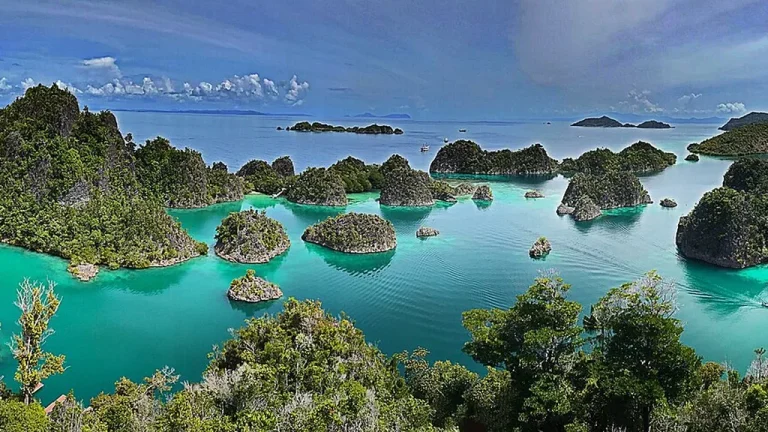
Combining Flores and Raja Ampat in One Trip
Flores and Raja Ampat can be combined into one trip, but they are not next-door destinations — there is no…
11 min Read -
Komodo & Boats
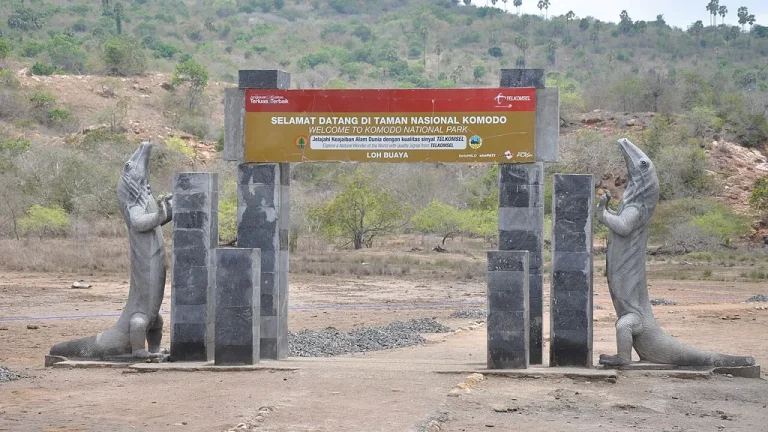
Is Komodo National Park Open? Status Explained
Komodo National Park is open to visitors. It has never been fully and permanently closed, despite repeated news cycles suggesting…
10 min Read -
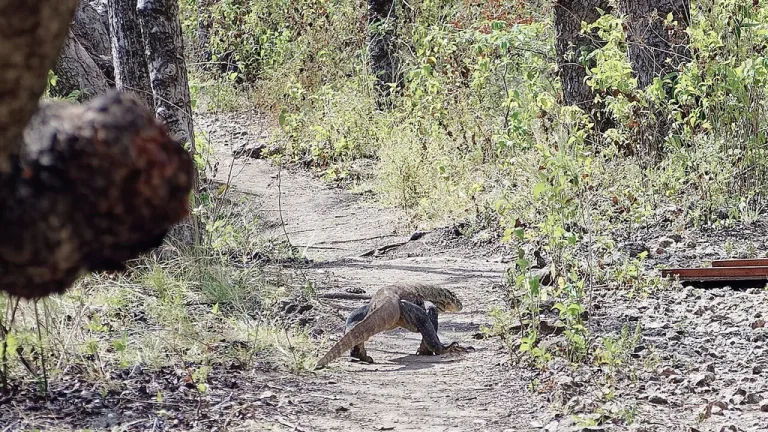
Komodo & Boats
Komodo Dragons: Facts and Safety Rules
Komodo dragons are the world's largest lizard, growing up to about 3 meters and 70–90 kilograms on average (the largest…
11 min Read