
Eco Initiatives in Flores: A Progress Report
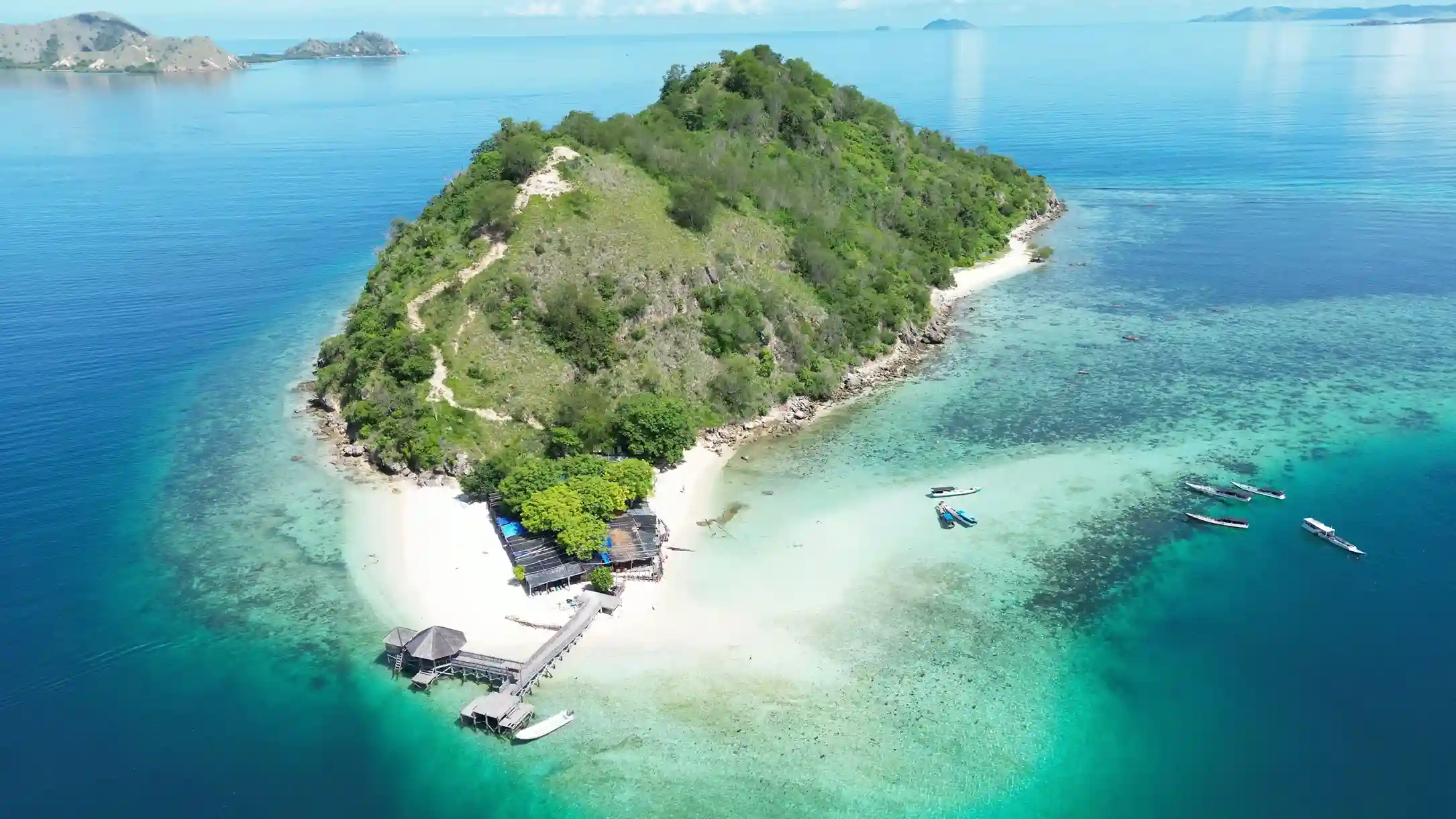
Real, dated conservation work is underway around Flores: Coral Guardian and local NGO WES have restored reefs near Hatamin Island since 2015; Sudamala Resort Seraya launched a coral program in November 2025; Yayasan Peduli Indonesia and partners transplanted roughly 8,940 coral fragments near Manggarai Barat in 2025; Ararat Coral Gardener has worked in Maumere Bay since 2022. This page tracks who did what and when — not a generic “going green” claim.
Eco Initiatives in Flores: A Progress Report
“Sustainable tourism” gets used as a marketing label often enough that it is worth separating from what is actually documented and dated. This page tracks specific, named initiatives around Flores and Komodo — what they are, who runs them, and when they happened — rather than making a general claim about the island’s tourism industry as a whole.
Coral Restoration: The Best-Documented Initiatives
| Initiative | Who | Where | When |
|---|---|---|---|
| Reef restoration and community outreach | Coral Guardian, with local NGO WES (Waka Eling Semeton) | Hatamin Island, near Labuan Bajo | Ongoing since 2015 |
| House reef restoration, modular artificial reef structures | Sudamala Resort Seraya, Yayasan Sudamala Bumi Insani, Blue Harmony Bali | Seraya Kecil Island | Launched November 2025 |
| Coral restoration and marine-life education | AYANA Komodo Waecicu Beach | Resort house reef, Waecicu | Ongoing; approx. 427 m² reported rehabilitated |
| Coral transplantation, approx. 8,940 fragments in three rounds | Yayasan Peduli Indonesia, CECT Trisakti University, Sirkula Indonesia, UNESCO | Hanita and Messah Islands, Manggarai Barat | March, September, November 2025 |
| Coral planting | Tokyu Land Indonesia (corporate sustainability program) | Pempeng Island, Labuan Bajo | February 2025 |
| Reef restoration further east on Flores | Ararat Coral Gardener Maumere, with Ministry of Environment and Forestry (KLHK) | Teluk Maumere, East Flores | Ongoing since 2022 |
What stands out across this list is the mix of actors: an international NGO with a decade-long local partnership, resort-backed programs tied to specific properties, a university-and-UNESCO collaboration with a concrete fragment count, and a corporate CSR planting event. These are not interchangeable in scale or durability — Coral Guardian’s decade of continuous work with the same local partner is a different kind of commitment than a single corporate planting event, even though both count as real, documented action.
What Is Not Yet Formally Documented
To be direct about the limits of what can be verified: there is no single, dated, citable government regulation establishing a formal plastic bag or bottle ban specifically inside Komodo National Park, and no confirmed UNESCO Global Geopark designation for Flores or Ngada as of the most recent available information. Individual operators and dive boats widely describe voluntary single-use plastic reduction policies — reusable bottles required on board, no plastic straws — but these vary company to company and are not yet codified into a public, enforceable regulation we can cite. If a formal policy exists that we have not yet sourced, we will update this page once it can be verified and dated; until then, describing it as settled fact would be exactly the kind of unsourced claim this page exists to avoid.
How to Reduce Your Own Plastic Footprint on a Flores Trip
Regardless of what is or isn’t formally regulated, the Labuan Bajo–Kelimutu overland route and multi-day boat trips are both places where plastic use adds up quickly, one bottle per person per rest stop or meal. A few habits fix most of it:
- Carry a reusable bottle with a filter or steripen, or buy one large refillable gallon per group at rest towns instead of individual bottles.
- Ask your homestay or lodge about refill stations before assuming bottled water is the only option — a growing number along the main routes now offer them.
- Keep a small trash bag for trekking days at Kelimutu’s crater rim, Padar’s viewpoint, or waterfall stops, and pack out what you bring in.
- Where you sleep compounds this choice: our Flores eco lodges guide lists stays already set up with refill points and a lower plastic footprint.
- On boat trips, ask directly whether drinking water is provided via large refillable containers or individual bottles before booking, since practice varies by operator.
Choosing Operators That Back Up Their Claims
“Eco-friendly” and “sustainable” appear on enough tour listings that the words alone mean very little. A more useful filter: ask an operator for a specific, named partner organization and a start date for any conservation claim they make, the same way this page cites Coral Guardian’s 2015 start with WES or Yayasan Peduli Indonesia’s 2025 fragment counts. An operator who can answer specifically is meaningfully different from one who cannot.
Community-Based and Guide-Supporting Travel
Beyond coral and plastic, a straightforward way to support the local economy directly is choosing local guides and drivers over larger, non-local agencies where the option exists — money spent this way is more likely to stay in the communities your itinerary passes through, from Rinca’s ranger station to homestays around Bajawa and Moni. This isn’t a formally certified program the way the coral initiatives above are, but it is a concrete, verifiable choice available to every traveler on every stop of a Flores itinerary.
Why This Page Tracks Dates Instead of Making a Blanket Claim
Tourism marketing around Flores and Komodo, including on operator websites across the region, has a habit of describing the destination as broadly “sustainable” or “eco-friendly” without pointing to anything specific. That framing is easy to write and hard to verify, which is exactly the problem. Naming Coral Guardian’s 2015 start date, Sudamala’s November 2025 launch, or the specific 8,940-fragment count from the Hanita and Messah Islands project in 2025 does more real work than any adjective could — it gives you something to check, and it gives the organizations doing the work credit for what they have actually built rather than folding it into a vague island-wide claim. We will keep this table updated as new dated initiatives are confirmed, and we will remove anything that turns out not to hold up.
Further Questions, Briefly Answered
Are there real coral restoration programs in Flores, or is it just marketing?
There are genuine, dated, documented programs — Coral Guardian and WES since 2015 near Hatamin Island, and several resort- and university-backed projects that launched or expanded through 2025 around Labuan Bajo and Manggarai Barat, each with a named partner and a specific start date.
Is there a plastic ban in Komodo National Park?
Not a formally documented, dated government regulation as of the most recent available information — many operators describe voluntary single-use plastic reduction policies on their own boats, but this varies by company rather than being a codified park-wide rule.
Is Flores a UNESCO Global Geopark?
Not confirmed as of the most recent available information — Flores’ volcanic and cultural landscapes have been discussed in the context of geopark initiatives, but there is no verified, dated designation to cite here.
How can I reduce my plastic use on a Flores trip?
Carry a reusable bottle with a filter, ask homestays and boats about refill options before assuming bottled water is the only choice, and pack out trash on trekking days at Kelimutu, Padar, and waterfall stops.
If the progress report above has convinced you, the booking runs through Komodo Luxury’s Labuan Bajo tour desk.
Sustainability claims are easiest to check at the level of the boat: how waste is handled, whether the crew moors or drops anchor on coral, what the crew is paid. The classes are laid side by side at Komodo boat charter classes. The newest hulls, which carry the better water and waste systems, are at VIP boat charter. Between the budget decks and the flagship rate sits the mid-range tier, at deluxe boat charter.
Beyond Reefs: Accommodation, Tourism Models, and Sustainability Efforts
Eco-friendly places to stay, while not as numerous as in Bali, are steadily increasing in both Labuan Bajo and outlying areas. Off-grid ecolodges near Moni and select seaside guesthouses in Maumere Bay now promote rainwater collection, solar power, and plastic-free breakfasts, though most properties still rely on diesel generators and single-use packaging. Travellers should verify sustainability claims directly with hosts: ask about their waste disposal, water sourcing, and engagement with the surrounding community.
Flores island eco tourism initiatives extend far beyond coral projects. In the highlands and at the fringes of Komodo, community based tourism in Flores is gaining ground; local guides in Wae Rebo and Bajawa villages now organise cultural homestays and trekking, with proceeds channelled to shared community funds. Participation in these programmes ensures some of your spending remains in the village, which supports heritage preservation and gives residents a say in tourism’s impact.
On eco travel, Flores remains less developed and sees lighter tourist traffic than Bali. The environmental footprint of your trip is typically smaller here, but infrastructure can be basic. On Bali, regulatory oversight and eco certification schemes are more common, but high visitor numbers dilute their effect. For those seeking less commercialised, authentic encounters, Flores island eco travel and sustainability efforts are more grassroots.
To support sustainable tourism on Flores, prioritise operators who employ local guides, avoid single-use plastics, and keep group sizes small. Travelling well here means slower overland journeys and keeping a real distance from wildlife. A package with the word green on it does none of that for you. As the sector matures, expect more transparency about both successes and ongoing challenges from those who live and work on the island.
More Questions Answered
Is there eco-friendly accommodation outside Labuan Bajo?
There are a handful of eco friendly lodges and homestays outside Labuan Bajo, notably near Moni and in Maumere Bay. Options are limited and often book out in peak season (June–September), so reserve early for properties with renewable energy or waste management in place.
What is the difference between community based tourism in Flores and tour packages?
Community based tourism in Flores is run by local groups with direct benefit to residents, such as Wae Rebo homestays. Tour packages may not guarantee local involvement. Look for community ownership, local guides, and transparent fees.
Is Flores island eco tourism suitable for families?
Flores island eco tourism can suit adventurous families, especially those comfortable with basic facilities. Activities like village stays or guided walks are appropriate for children. Be aware that public transport and medical facilities are limited outside main towns.
What are the main challenges for Flores island eco travel and sustainability?
Major challenges include waste management, reliable clean water, and balancing tourism growth with community needs. Single-use plastics remain common. Travellers can help by bringing reusable water bottles and supporting operators who invest in local conservation.
Part of Juara Holding Group — operating from Bali across Indonesia since 2015, Komodo Luxury can help match you with operators and stays that back these choices with specifics rather than slogans. For a tailored, responsible itinerary, reach out on WhatsApp at +62 811-3810-8110 or email sales@komodoluxury.com.
Keep reading
More from the journal
-
Travel Journal
Labuan Bajo After Dark: Food and Nightlife
Labuan Bajo's evening scene centers on Kampung Ujung, the waterfront dining strip near the harbour where local seafood restaurants and…
12 min Read -
Travel Journal
Marine Life Around Flores and Komodo
The waters around Flores and Komodo National Park sit within the Coral Triangle, a region marine biologists recognize as having…
10 min Read -
Travel Journal
Digital Payments and QRIS in Flores
QRIS (Indonesia's unified QR payment standard) now works at a growing number of cafes, shops and tour operators in Labuan…
12 min Read