
Sustainable And Ethical Travel In Flores And Komodo
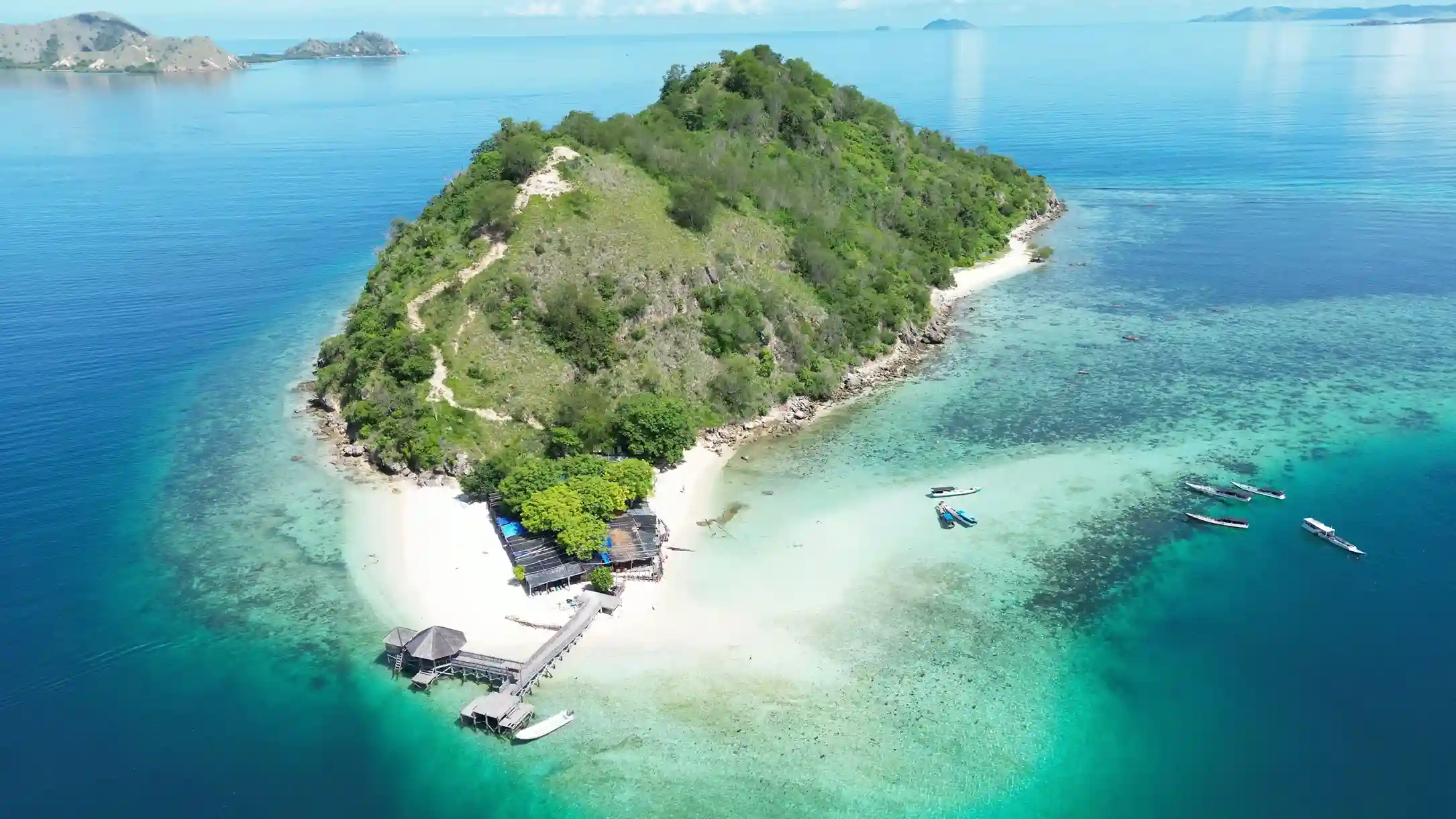
Defining Sustainable and Ethical Travel in Flores and Komodo
Sustainable and ethical travel in Flores and Komodo refers to responsible tourism practices that minimize environmental impact while supporting local cultures and economies. This includes choosing eco-friendly accommodations, engaging in conservation efforts, and respecting the vibrant traditions of the communities you visit.
The Importance of Responsible Travel in Komodo National Park
Komodo National Park, home to the famed Komodo dragons, finds itself at a crossroads. The surge in tourism has raised concerns about its impact on both the fragile ecosystem and the iconic reptiles. Responsible travel in this region emphasizes the need to protect these creatures while allowing visitors to appreciate their natural habitat.
- Visitor Management: In 2022, approximately 186,000 tourists visited Komodo National Park. As this number continues to grow, it’s essential for travelers to engage in responsible behaviors, such as staying on marked trails to protect native flora.
- Wildlife Protection: The Komodo dragon is classified as vulnerable. Engaging in ethical Komodo dragon tours in Labuan Bajo ensures that local guides educate visitors about the importance of conservation and the threats these reptiles face.
- Carbon Footprint: The carbon footprint of flying to Labuan Bajo can be significant. The average round-trip flight from Jakarta to Labuan Bajo is approximately $200, and efforts to mitigate this impact can include participating in local conservation initiatives during your stay.
Choosing Eco-Friendly Boat Operators
For those interested in exploring the pristine waters surrounding Komodo, selecting eco-friendly boat operators is crucial. Many of these operators are committed to sustainability and actively contribute to marine conservation efforts.
- Local Operators: Look for boat companies that employ local crews and utilize sustainable practices, such as reducing fuel consumption and minimizing waste. Operators like *Flores Komodo Tours* and *Komodo Eco Adventures* are known for their commitment to responsible tourism.
- Waste Management: Eco-friendly operators implement measures for waste disposal and encourage travelers to reduce plastic usage. Carrying reusable water bottles and avoiding single-use plastics are simple yet effective steps.
- Snorkeling and Diving: If you’re diving or snorkeling, choose operators that promote reef protection. Dive sites around Komodo, like Batu Bolong and Manta Point, feature diverse marine life; Manta Point works at roughly 8 to 18 meters, while walls such as Batu Bolong run deeper. A shared day trip starts from USD 90 per person on the published rate card of Komodo Luxury, the licensed operator that fulfils the trips referenced on this site (checked August 2026).
How to Reduce Plastic Waste on Your Komodo Tour
Plastic pollution is a pressing issue in many tourist areas, including Komodo. Reducing plastic waste during your travels requires conscious effort and planning.
- Reusable Products: Invest in a good quality reusable water bottle, bamboo straws, and cloth bags. Many areas in Labuan Bajo offer refill stations where you can refill your water bottle.
- Dining Choices: Opt for local restaurants that use minimal packaging and prioritize fresh, local ingredients. Avoid takeaway meals that often use plastic containers.
- Participate in Clean-Up Efforts: Join local beach clean-up initiatives. These events are often organized by eco-tour companies and provide a hands-on way to contribute to the preservation of the environment.
Supporting Local Communities in Flores, Indonesia
Travelers to Flores have the unique opportunity to engage with local communities and contribute to their economic growth. Understanding how to support locals ethically is paramount.
- Community-Based Tourism: Seek out community-based tourism initiatives that provide direct benefits to local residents. For instance, visiting villages near Bajawa or Ruteng allows you to interact with the Ngada and Manggarai people, experiencing their traditions firsthand.
- Fair Trade Shopping: Purchase handicrafts and textiles from local artisans. Many villages have markets where you can buy authentic goods, ensuring your money goes directly to the community.
- Homestays: Consider staying in homestays run by local families. For around $30 to $60 per night, you can enjoy a unique cultural experience while helping families sustain their livelihoods.
Cultural Etiquette in Traditional Villages in Flores
When visiting traditional villages in Flores, it’s essential to respect local customs and traditions. Understanding cultural etiquette fosters positive interactions with the community.
- Dress Modestly: Wear conservative clothing, especially when visiting places of worship or traditional ceremonies. This shows respect for local customs.
- Ask Before Taking Photos: Always ask for permission before photographing people or their possessions. The locals may have cultural sensitivities regarding photography.
- Participate in Local Customs: Engage in traditional ceremonies or activities when invited. Whether it’s a dance, a meal, or any cultural practice, your participation is often welcomed and appreciated.
The Debate: Is Tourism Harming Komodo Dragons?
The delicate balance between tourism and conservation is a hot topic in Komodo. While tourism provides essential funding for conservation efforts, it can also pose threats to the local wildlife.
- Habitat Disruption: Increased foot traffic and human activity can disrupt the natural behavior of Komodo dragons. Responsible tourism practices aim to mitigate this by regulating visitor numbers and enforcing guidelines.
- Conservation Funding: The entrance fee to Komodo National Park goes directly to conservation. Historically, before the October 2024 tariff reform, entrance fees were roughly $10 to $20 depending on nationality. Under the current tariff (PP No. 36/2024, effective 30 October 2024), foreign visitors pay a flat Rp250,000 per visit and Indonesian citizens pay Rp50,000 to Rp75,000, so ensuring these funds are used effectively remains just as important today. See our Komodo National Park pricing guide for the full current breakdown.
- Awareness and Education: Ethical tours educate visitors about the importance of preserving the species and their habitat, fostering a deeper understanding and connection to the environment.
Sustainable Resorts in Flores and Labuan Bajo
Finding sustainable accommodation is key for eco-conscious travelers. Several resorts in Flores and Labuan Bajo prioritize sustainability in their operations.
- Eco-Friendly Options: Look for resorts like *Nihiwatu* in Sumba and *Plataran Komodo Beach Resort* in Labuan Bajo, which focus on sustainable practices, from solar energy to water conservation.
- Local Sourcing: Choose accommodations that source food locally and employ local staff. This not only supports the community but also minimizes transportation emissions.
- Environmental Initiatives: Many resorts offer programs that allow guests to participate in conservation efforts, such as coral planting and marine education sessions.
Frequently Asked Questions
- How can I travel sustainably in Flores and Komodo?
Opt for eco-friendly tours, support local businesses, minimize plastic use, and respect local customs. - Are there opportunities for conservation in Komodo?
Yes, many tours offer opportunities for conservation activities, such as beach clean-ups and educational workshops. - What is the impact of tourism on local communities?
When responsibly managed, tourism can provide significant economic benefits; however, it is crucial to ensure that local cultures are respected and supported.
As you plan your journey to Flores and Komodo, remember that thoughtful, sustainable practices can preserve these extraordinary landscapes and cultures for future generations. Consider how each choice you make contributes to the well-being of the environment and local communities.
Start your sustainable travel adventure in Flores and Komodo today!
Explore more from Floresislandtravel
- Floresislandtravel — home
- Flores Island Travel – Frequently Asked Questions
- Best Time for Flores Island Travel – Insider Guide
- Flores Island Travel Comparison & Alternatives
- Seasickness, Safety And Health On Komodo Boat Trips
- Getting Around Flores: Buses, Drivers, Scooters And Tours
If the ethical-travel checklist above has answered your questions, the remaining ones are commercial and belong at Komodo Luxury.
Check dates with Komodo Luxury →
Related reading
The reservation end of this runs through Komodo Luxury — one-day Komodo trip packages, shared open-trip departures or private trip packages.
Practical Advice for Ethical and Sustainable Travel in Flores and Komodo
Travellers interested in ethical travel in Flores can make a real difference by considering the full impact of their choices. Key considerations include where your money goes, how you engage with local people, and the legacy left on the environment. For those seeking Flores Indonesia ethical travel tips, prioritise small-scale, locally owned accommodations and eateries, which tend to keep more revenue within the community. Avoid chain hotels in Labuan Bajo and instead look for homestays or eco-lodges that actively invest in local livelihoods.
Labuan Bajo Komodo National Park ethical tourism guidelines emphasise following park rules, not disturbing wildlife, and using official guides for treks and dragon encounters. Always stick to marked trails, never feed animals, and refuse any tour operator offering close-contact wildlife experiences. These measures help shape responsible tourism in Komodo and Flores, ensuring the fragile ecosystems and unique species are not put at further risk.
Supporting local communities in Flores goes beyond where you stay. Shop for ethical souvenirs from Flores Island by choosing handmade, fair-trade items directly from artisans, such as ikat textiles, wooden carvings, or locally grown spices. These sustainable souvenirs in Flores directly support traditional crafts and provide clear alternatives to mass-produced trinkets. Bargain respectfully, and avoid buying products made from coral, shells, or other threatened resources.
For sustainable travel tips for Flores Island, travel light and pack with intent. Essential Flores Komodo must-have travel items include a reusable water bottle, reef-safe sunscreen, a dry bag for boat journeys, and modest clothing for village visits. Reducing waste and demonstrating cultural respect are both vital for a positive impact. Overall, mindful actions add up to a more rewarding and sustainable trip for travellers and residents alike.
More Questions Answered
How to travel ethically in Flores?
Choose locally owned lodges, use refillable bottles to reduce plastic, and hire local guides for village visits. Travelling off-peak (January–March) eases pressure on communities and nature, but be prepared for rainy weather and rougher seas.
What are sustainable travel tips for Flores Island?
Bring a reusable water bottle and bag, avoid single-use plastics, and travel overland where possible rather than by air. The Flores Trans Island bus route connects towns at a fraction of flight emissions, though journeys take substantially longer.
Are there ethical souvenirs from Flores Island?
Handwoven ikat textiles, sustainably sourced coffee, and locally dyed baskets are ethical souvenirs from Flores Island. Markets in Bajawa and Ende offer the most authentic options; always confirm items are not made from protected wildlife or coral.
Which ethical tourism rules matter most in Komodo National Park?
Stay on marked trails, never approach or feed Komodo dragons, and use certified local guides for any wildlife tours. Strictly follow park staff instructions; rule-breaking can disrupt animal behaviour and incurs substantial fines.
Keep reading
More from the journal
-
Culture & Villages
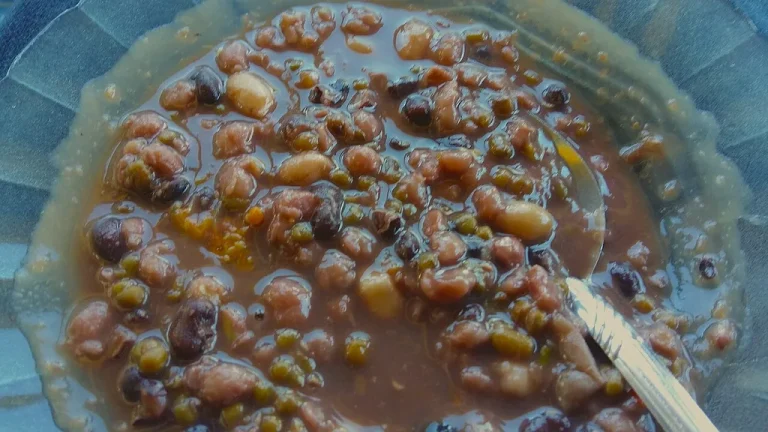
What to Eat in Flores: Local Food Guide
Reading the food rundown costs nothing; booking it happens at Komodo Luxury. Planning stops here. The Komodo Luxury side takes…
3 min Read -
Culture & Villages
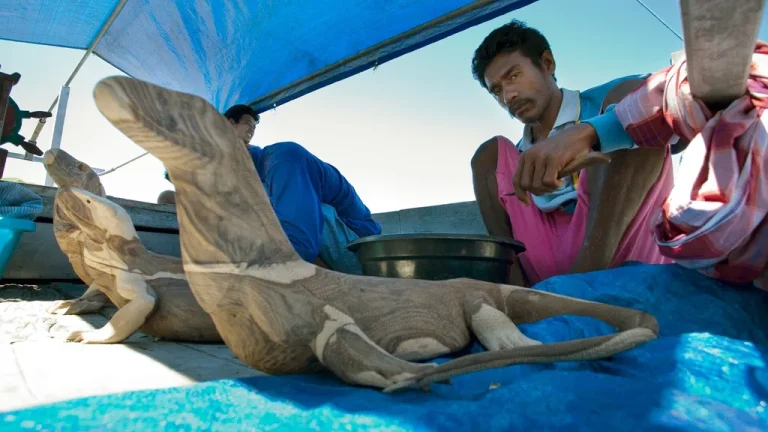
Volunteering and Giving Back in Flores
Real, verifiable conservation work is underway around Labuan Bajo — Coral Guardian and local NGO WES have restored reefs near…
9 min Read -
Culture & Villages
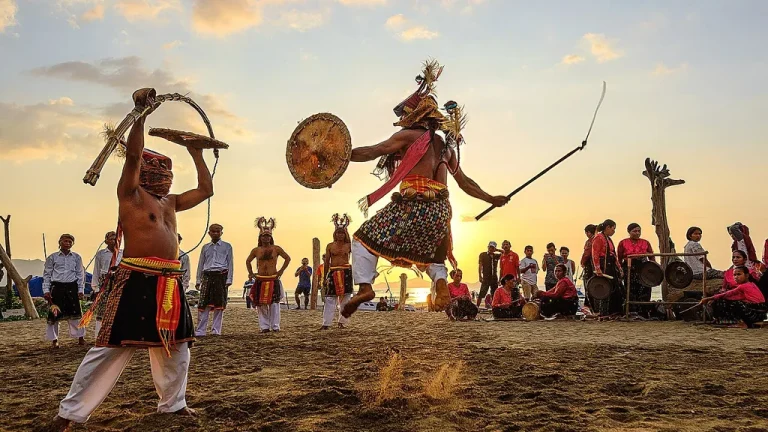
Flores Festivals and Ceremonies Calendar
Flores island's biggest cultural events — the Ngada highlands' Reba, the Manggarai harvest ceremony Penti, and the Portuguese-Catholic Holy Week…
11 min Read