Flores Festivals and Ceremonies Calendar
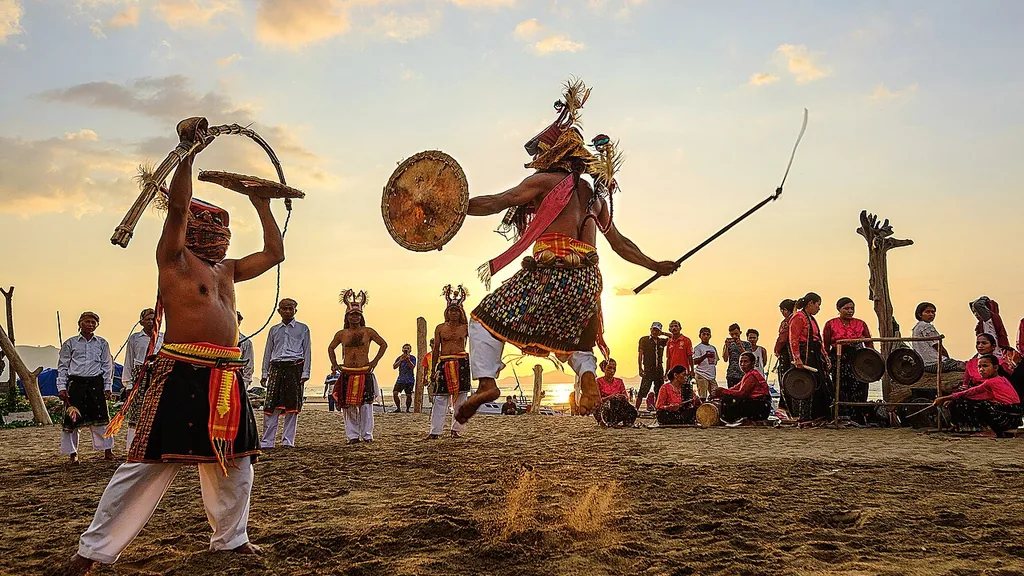
Flores island’s biggest cultural events — the Ngada highlands’ Reba, the Manggarai harvest ceremony Penti, and the Portuguese-Catholic Holy Week procession Semana Santa in Larantuka — are tied to the adat (customary) calendar or the Christian liturgical calendar rather than fixed Gregorian dates, so exact days shift slightly year to year. As of 2026, the reliable planning approach is to know the general season for each event and confirm the specific date locally or through a local guide close to your travel window, rather than book flights around an assumed date. This guide covers what each ceremony actually is, roughly when it falls, and how to attend respectfully as a visitor.
Reba: The Ngada New Year Ceremony (Bajawa Highlands)
Reba is the Ngada people’s traditional new year and ancestor-honoring ceremony, centered on the Bajawa highlands and its surrounding villages, including Bena. It typically falls in the December-to-January window, marking a turn in the agricultural and customary calendar, though the exact date is set village by village rather than on a single fixed day for the whole region — some villages hold Reba on different days within the same season. The ceremony involves traditional dance, communal feasting, and formal village-elder rituals conducted in local dress, and it is one of the few times outsiders can see the full ceremonial dress and ritual sequence performed at scale rather than a staged demonstration.
Because Reba is a living ceremony for the community, not a tourist show, visiting requires more coordination than simply showing up: engaging a local guide familiar with the specific village’s Reba schedule is the practical way to know which village is celebrating on which day during your visit window, and to be introduced appropriately rather than arriving as an uninvited observer. See our Bajawa travel guide for the wider highland region this ceremony is based in.
Penti: The Manggarai Thanksgiving and Harvest Ceremony
Penti is the Manggarai people’s traditional thanksgiving ceremony, held around Ruteng and surrounding highland villages, generally observed around the harvest period. It centers on gratitude for the rice harvest and communal renewal — village elders lead rituals at the compang (a circular stone altar structure found at the center of traditional Manggarai villages), followed by communal meals and traditional dance such as the caci whip-dance performance in some villages. Timing follows the harvest cycle and local adat calendar rather than a single fixed date, so — as with Reba — confirming the specific village and date locally before your visit is the reliable approach rather than planning around an assumed date months in advance.
Travelers already routing through Ruteng as part of an overland Flores trip are well placed to ask locally whether a Penti ceremony falls within their travel window; see our Ruteng travel guide for the town this ceremony is centered around.
Semana Santa: The Larantuka Holy Week Procession
Semana Santa (Holy Week) in Larantuka, on Flores’ eastern tip, is one of Indonesia’s most distinctive Catholic observances — a legacy of Portuguese missionary presence in the region dating back centuries, predating Dutch colonial rule of the wider archipelago. The centerpiece is a solemn Good Friday procession carrying holy relics through the town, drawing pilgrims and visitors from across Flores and beyond. Unlike Reba and Penti, Semana Santa follows the Christian liturgical calendar, so its date is tied to Easter and can be checked well in advance each year against the standard Easter calendar, making it easier to plan travel around than the adat-calendar ceremonies above.
Larantuka is considerably further east than the standard Labuan Bajo–Kelimutu overland route and requires dedicated routing (typically via Maumere) rather than a simple extension of a Labuan Bajo-based trip — factor in additional travel days if Semana Santa is a primary goal of your visit, rather than an add-on to a standard 7–10 day itinerary.
Visiting Flores Ceremonies Respectfully: What to Know
- These are living rituals, not tourist performances. Dress modestly, follow the guidance of your local host or guide on where to stand and when photography is appropriate, and expect some parts of a ceremony to be closed to outside observers.
- A small contribution or donation is customary at many village ceremonies, particularly if you are formally welcomed as a guest — ask your guide what is appropriate rather than assuming a fixed amount, since this varies by village and occasion.
- Confirm dates close to your travel window, ideally through a local guide or homestay host in the relevant region, rather than booking flights around a date found on a general calendar months in advance.
- Photography etiquette varies by ceremony and moment. Ask before photographing ritual moments specifically, even where general village photography is welcomed.
National and School Holidays: A Different Kind of Calendar Consideration
Beyond adat and religious ceremonies, Indonesian national holidays and school holiday periods affect Flores travel in a more predictable, bookable way: domestic flight prices and accommodation availability in Labuan Bajo rise around Indonesian public holidays and the school holiday windows (notably around the mid-year and year-end periods), as domestic tourism spikes alongside foreign visitor numbers. This is a separate planning consideration from the ceremony calendar above — worth checking the Indonesian national holiday calendar for your travel year if you want to avoid the domestic peak-pricing periods, independent of whether you are targeting a specific cultural ceremony.
Other Local Ceremonies Worth Asking About Locally
Reba, Penti, and Semana Santa are the three most internationally documented Flores ceremonies, but they are not the only ones — individual villages across Manggarai, Ngada, Ende, and Sikka hold smaller-scale customary ceremonies tied to local agricultural cycles, house-building, or specific ancestor commemorations that rarely appear on any general calendar. If cultural immersion is a priority for your trip, asking your driver-guide or homestay host directly whether anything is happening locally during your visit window often surfaces smaller, more intimate ceremonies that a general planning guide like this one cannot reliably predict in advance.
How Do These Ceremonies Fit Into a Flores Itinerary?
None of these three events sit on the standard Labuan Bajo-to-Kelimutu overland route by default — Reba and Penti require being in the right highland village at the right moment within a broad season window, and Semana Santa requires routing all the way to Larantuka in the east. Travelers whose primary goal is cultural immersion should build their trip dates around the season for these events first, then fit the standard Komodo and Kelimutu sights around that window, rather than the reverse. See our Flores 14-day Trans-Flores itinerary guide for how a longer trip can accommodate detours for a specific village ceremony if your dates align.
Frequently Asked Questions
When exactly is Reba celebrated in Bajawa?
Generally in the December-to-January window, but the exact date is set by each village individually rather than fixed regionally. Confirm the specific date and village through a local guide close to your travel dates.
Can tourists attend Penti in Ruteng villages?
Yes, with a local guide or host who can introduce you appropriately — Penti is a community ceremony, not a staged show, so attending respectfully as an invited observer matters more than simply showing up.
Is Semana Santa in Larantuka open to non-Catholic visitors?
Yes, the Good Friday procession is a public event that draws both pilgrims and general visitors, though modest dress and respectful conduct during the religious procession itself are expected of all attendees regardless of faith.
How far is Larantuka from Labuan Bajo?
Larantuka is at the far eastern end of Flores, considerably beyond Maumere — a dedicated multi-day routing decision rather than a side trip from a standard Labuan Bajo-based itinerary. Flying into Larantuka’s local airport via a connecting hub is usually more practical than driving the full length of the island.
Do I need to book accommodation far in advance for these ceremonies?
For Semana Santa in Larantuka specifically, yes — accommodation in the town is limited relative to demand during Holy Week, so booking well ahead is advisable. For Reba and Penti, lodging pressure is generally lower since these ceremonies are spread across many individual villages rather than concentrated in one town.
Plan Around a Flores Ceremony
The festival calendar above explains the trip; Komodo Luxury’s Labuan Bajo tours is where it is sold.
Once the festival calendar above is behind you, the boat calendar becomes the binding constraint, and that calendar is published at luxury yacht charters across Indonesia. Payment and cancellation terms are answered directly at Komodo Luxury’s own FAQ. If a night aboard is not wanted, Komodo boat tours is the shorter format.
Beyond the Big Three: Lesser-Known Ceremonies, Dance, and Festive Culture Across Flores
The festival calendar runs far beyond Reba, Penti and Semana Santa. Smaller ceremonies happen constantly across the highlands, the coast and the Catholic parishes, often with little warning to anyone outside the village. Flores tribal ceremonies remain central to communal identity, particularly in areas outside Labuan Bajo’s tourist circuit. In West Flores, traditional ceremonies such as house-blessing rituals or ngadhu sao (ancestral house renewal) can be witnessed in remote villages, often featuring ancient drum ensembles and call-and-response song cycles unique to the region.
Flores dance ceremonies are a highlight for visitors seeking authentic cultural encounters. The caci whip dance in Manggarai, the lego-lego circle dance in Lembata and the bamboo ensembles around Ende all turn up at public festivals and private gatherings alike. While many events align with agricultural or adat milestones, Catholic culture is equally visible. Flores island catholic festivals like the feast of St. Sebastian in Sikka or Our Lady of Mount Carmel in Maumere blend liturgical processions with local song and dress, making the island’s religious festivals notable for their syncretism.
Ceremonies in the Bajawa villages usually involve a communal feast, and visitors are often handed highland dishes they will not meet elsewhere — roasted sweet potato, and palm wine poured from a bamboo tube. Although the island has no dedicated food and drink festival, harvest ceremonies and village celebrations often double as informal culinary showcases. Respectful behaviour at these ceremonies is essential: dress modestly, always ask before taking photos, and defer to local hosts for seating or participation. Attending mass in the Catholic churches of Flores is possible in most towns — services are open to outsiders, but Sunday morning is the busiest time and modest attire is required.
Planning around these cultural ceremonies allows for deeper engagement. For those piecing together a two-week itinerary, it is practical to confirm dates for larger events in advance, but also allow room for spontaneous encounters. Accommodation in Ruteng ranges from simple family-run homestays to mid-range hotels, giving travellers a base to explore both scheduled and serendipitous ceremonies in rural villages.
More Questions Answered
Is Flores worth visiting?
Yes, Flores is worth visiting for travellers seeking living culture, volcano landscapes, and world-class diving. Around 30 active and semi-active volcanoes, over a dozen language groups, and a busy calendar of ceremonies set Flores apart from Bali or Lombok. The island’s infrastructure is improving, especially on the western end.
How do I fit Flores cultural festivals into a 2 week itinerary?
Begin by checking the festival and ceremony calendar below, then anchor your route around key events. In 2 weeks, it’s possible to see Reba or Penti in the highlands, experience Catholic processions on the east coast, and join smaller ceremonies in between. Allow extra days for rural travel and local date changes.
Where do most travellers stay in Ruteng?
Accommodation in Ruteng ranges from basic guesthouses (losmen) to mid-range hotels with hot water and WiFi. Most are small, family-run, and bookable on arrival, though Penti or other festival times may require advance booking. Several offer local meals and can help arrange village visits.
How can I visit Flores traditional ceremonies in Bajawa villages?
You can attend traditional ceremonies in Bajawa villages by engaging a local guide, who will arrange an introduction and confirm ceremony dates. Reba and house-blessing rituals are held in Bena, Luba, and Wogo. Outsiders cannot simply walk in; always coordinate in advance for permitted access.
If you want to time a Flores trip around one of these ceremonies, tell the Komodo Luxury desk your target season, and it can sequence the overland route and Komodo boat portion of your trip around it. Message Komodo Luxury on WhatsApp at +62 811-3810-8110 or email sales@komodoluxury.com, or start with the Flores overland tour packages for the private routing this kind of flexible, culture-first itinerary usually requires.
Keep reading
More from the journal
-
Culture & Villages
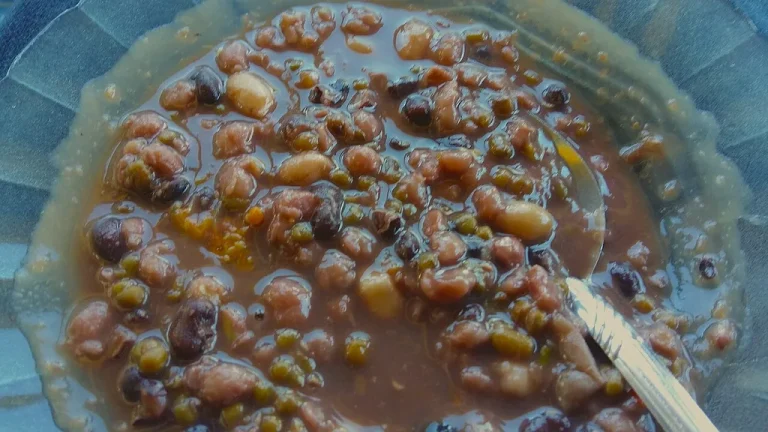
What to Eat in Flores: Local Food Guide
Reading the food rundown costs nothing; booking it happens at Komodo Luxury. Planning stops here. The Komodo Luxury side takes…
3 min Read -
Culture & Villages
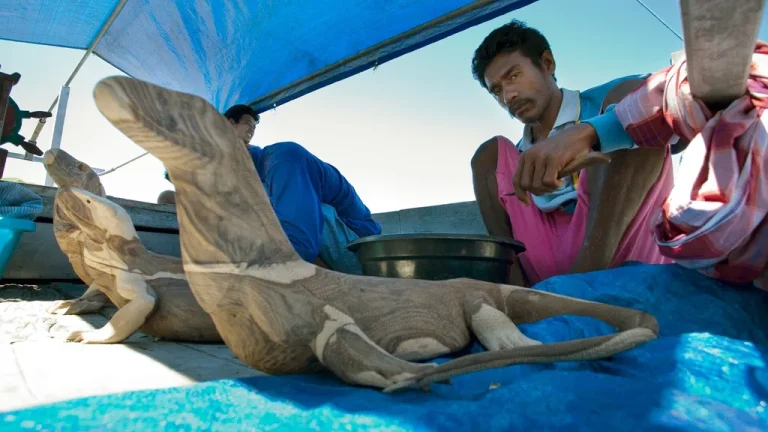
Volunteering and Giving Back in Flores
Real, verifiable conservation work is underway around Labuan Bajo — Coral Guardian and local NGO WES have restored reefs near…
9 min Read -
Culture & Villages
Photography Spots Across Flores and Komodo
The strongest photography locations across Flores and Komodo are Padar Island's viewpoint at sunrise, Kelimutu's tri-colored crater lakes at first…
11 min Read