
PADI Courses in Labuan Bajo: What to Expect
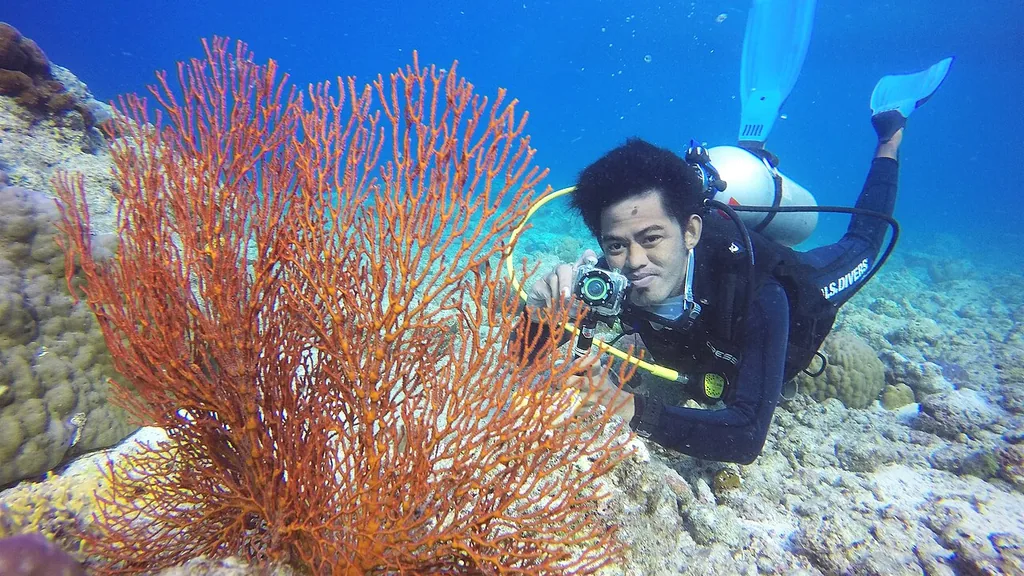
PADI diving courses in Labuan Bajo follow the same global standards as anywhere else in the world — an Open Water Diver course typically runs 3 to 4 days combining pool/confined-water training with four open-water dives, while Advanced Open Water adds five adventure dives over about two days. What makes Labuan Bajo distinctive is where those training dives happen: inside or near Komodo National Park, among currents, coral diversity, and marine life more advanced than most beginner dive destinations, which shapes both the appeal and the safety considerations of learning to dive here. This guide covers what to expect course by course, medical and fitness requirements, and how to choose a dive centre.
What Does the PADI Open Water Course Actually Involve?
Open Water Diver is the entry-level certification that qualifies you to dive independently (with a buddy) to a maximum depth of 18 meters worldwide. The course has three components:
- Knowledge development — theory covering dive physics, physiology, equipment, and safety, completed via PADI’s eLearning platform (often finished before arrival) or in-person academic sessions with your instructor.
- Confined-water training — pool or a calm, shallow, pool-like sea location, practicing core skills like mask-clearing, regulator recovery, and buoyancy control before open water.
- Four open-water training dives — conducted at a real dive site, demonstrating the skills learned in confined water under an instructor’s supervision.
In Labuan Bajo, training dive sites are typically calmer, more sheltered locations rather than the strongest-current sites in the park, since instructors deliberately choose sites appropriate for a beginner’s skill level — the more advanced sites are saved for certified divers on subsequent trips or Advanced Open Water dives.
What Does Advanced Open Water Add?
Advanced Open Water Diver extends your certified depth limit to 30 meters and consists of five adventure dives, two of which are mandatory (Deep Dive and Underwater Navigation) and three chosen from options like Fish Identification, Peak Performance Buoyancy, or — relevant to Komodo specifically — Drift Diving, given how central current-reading is to diving safely in the park. Most divers in Labuan Bajo take Advanced Open Water specifically to unlock access to Komodo’s better-known sites, many of which sit at depths or current strengths beyond Open Water certification limits.
Do I Need Certification to Dive in Komodo National Park?
For most dive sites within the park, yes — a recognized certification (PADI Open Water or equivalent from another agency) is required to dive independently with a dive centre, since Komodo’s currents and depths are not considered appropriate for uncertified diving at most sites. If you are not yet certified but want to experience the underwater environment, a Discover Scuba Diving session is the standard alternative: a short, instructor-supervised introductory dive at a calm, shallow site that does not require prior certification or lead to a qualification, but lets you experience diving under close supervision before committing to a full course.
What Are the Medical and Fitness Requirements?
All PADI students complete a standard medical questionnaire before diving. Most healthy adults answer “no” to every question and can proceed directly to training. If you answer “yes” to any question — certain heart conditions, respiratory issues, recent surgery, or specific medications, among others — a doctor’s clearance is required before the course can proceed, and this is a firm requirement rather than a formality, since diving physiology genuinely interacts with these conditions. There is no strict upper age limit for adult certification, but reasonable swimming ability and general fitness for water-based activity are expected; junior certifications exist for younger participants with age-appropriate depth limits.
How Do I Choose a Dive Centre in Labuan Bajo?
Labuan Bajo has a range of dive operators, from small independent shops to larger liveaboard-affiliated centres. Practical questions worth asking before booking:
- Is the centre a registered PADI (or equivalent agency) dive centre or resort, with instructors holding current certification you can verify?
- What is the instructor-to-student ratio for your specific course, and is that ratio fixed regardless of how many students book the same dates?
- Is emergency oxygen and a documented emergency action plan in place at the dive sites used, given how remote some park locations are from medical facilities?
- Does the quoted price clearly state what is included — equipment rental, course materials, park permits, and boat transport — rather than a low headline price with add-ons revealed later?
A dive centre that answers these questions clearly and in writing, rather than deflecting, is generally the safer choice regardless of which specific brand or boat it operates.
What Is the Best Time of Year to Dive in Labuan Bajo?
Diving is offered year-round in Komodo National Park, but conditions shift seasonally. The dry season (roughly April to November) generally brings calmer surface conditions and is the most popular period for both diving and general park visits. Manta ray sightings follow a seasonal current pattern within the park — broadly more reliable in the southern park sites during the dry-season months and the northern sites during the wetter months — so ask your dive centre which sites are running manta trips during your specific travel window rather than assuming year-round consistency at any single site.
What Does a PADI Course Cost in Labuan Bajo?
Course pricing varies by dive centre, group size, and whether equipment rental is included, and changes over time with fuel and operating costs, so we do not publish a fixed figure here — request current pricing directly from your chosen dive centre. As a general guide to what drives the price: Open Water typically costs more than a single fun dive given the multi-day instructor time and course materials involved, Advanced Open Water is usually priced per adventure dive completed, and liveaboard-based courses (training conducted aboard a multi-day boat rather than day-tripping from a shore-based dive centre) usually cost more than shore-based courses due to the added accommodation and boat time.
Diving Alongside a Standard Komodo Boat Trip
Many travelers combine a diving course or additional fun dives with an otherwise standard Komodo sightseeing itinerary, rather than treating diving as a separate trip. This generally means adding one or more days to accommodate training dives at appropriate sites, since not every stop on a standard 3D2N or 4D3N itinerary is suited to beginner training. If diving is a priority, mention this when booking so your itinerary can be built with the right site sequencing from the start, rather than trying to retrofit dive training into a route planned purely around sightseeing stops.
Frequently Asked Questions
How many days does it take to get Open Water certified in Labuan Bajo?
Typically 3 to 4 days, depending on whether you complete the eLearning theory component before arrival (which shortens the in-water schedule) or complete academic sessions in person with your instructor.
Is Labuan Bajo a good place to learn to dive as a beginner?
Yes, with the right site selection — reputable dive centres deliberately train beginners at calmer, sheltered sites within or near the park rather than the strongest-current locations, which are reserved for certified divers with more experience.
Do I need travel or dive insurance for a Komodo diving course?
PADI courses do not universally require proof of insurance to enroll, but given the remoteness of some Komodo dive sites from advanced medical facilities, dive-specific insurance covering hyperbaric treatment is strongly advisable and required by some dive centres as a condition of booking — confirm this directly with your chosen operator.
Can I do a short introductory dive without full certification?
Yes — a Discover Scuba Diving session is the standard option for trying diving without a course commitment, conducted at a calm, shallow site under direct instructor supervision, though it does not grant a certification or independent diving privileges.
What if I get certified elsewhere — can I still dive Komodo’s advanced sites?
Yes, a PADI Open Water or Advanced Open Water certification from any location worldwide is valid in Komodo. Bring your certification card, and be prepared for a local dive centre to ask about your recent diving experience and comfort with current, given how site-specific conditions can be here.
Book Your Labuan Bajo Diving Trip
Once the certification pathway described here is behind you, the boat calendar becomes the binding constraint, and that calendar is published at Komodo Luxury’s liveaboard charter page.
Read the certification pathway described here first, then take your dates to Labuan Bajo tour options. The extended Komodo itineraries are collected at Komodo boat trips. Course groups that want the boat to themselves, so the schedule follows the training rather than a shared itinerary, hire the vessel outright by the day or the night — motor yachts included; the classes working this coast and how they are quoted sit on the Labuan Bajo yacht rental page.
Choosing the Right Dive Experience in Labuan Bajo
Labuan Bajo dive centres PADI courses cover a wide range, from beginner-friendly introductions to advanced certifications. If you wish to learn to dive in Labuan Bajo Flores, the most common entry point is the Labuan Bajo PADI Open Water course, which includes theory, confined water practice, and open water dives at suitable Labuan Bajo scuba diving spots. Many operators also offer a Discover Scuba Diving experience Labuan Bajo for those who want to try diving without committing to full certification; this is a single supervised dive with basic skills training and no exam.
The PADI advanced course Labuan Bajo is particularly popular for divers aiming to access more challenging Komodo sites, as many of the park’s highlights require deeper dives or better current management. Labuan Bajo PADI certification is recognised worldwide, and the area’s best dive operators typically provide small groups, multilingual instructors, and safety-focused practices. If you already have some training, padi referral diving in Labuan Bajo allows you to complete practical dives locally after finishing your theory and pool sessions elsewhere.
While boat diving is standard, a few sites offer shore diving near Labuan Bajo, especially for beginner training sessions in calm bays or around local beaches. Flores wreck diving is limited but possible, with dive centres arranging trips to sites with small wrecks or artificial reefs — these can add variety for those interested in underwater history. Your Labuan Bajo diving guide will recommend sites based on your certification level and the daily conditions.
Labuan Bajo best dive operators are known for safety, thorough briefings, and knowledge of Komodo’s unique currents. Compared to Bali, Labuan Bajo vs Bali for diving Komodo is clearer: Labuan Bajo places you within easy reach of the park’s top sites, saving transit time and offering more direct access to advanced drift dives and pristine coral environments.
More Questions Answered
How much do diving courses cost in Komodo?
Komodo diving cost depends on the type of course, group size, and season. Liveaboard courses or private instruction are usually dearer than group courses from land-based operators. Inclusions like equipment rental, park fees, and lunch may or may not be part of the price, so always confirm what is covered when booking.
What to expect diving in Labuan Bajo?
Expect strong currents, excellent visibility in the dry season, and a chance to see large pelagics like manta rays. Most dives are boat-based, and sites range from sheltered coral gardens to more advanced drifts. Water temperatures are generally warm, but thermoclines can occur at depth.
Where to stay in Labuan Bajo for diving?
Stay close to the harbour or main street for the easiest access to early-morning departures with Labuan Bajo dive centres. Many divers choose guesthouses or small hotels within walking distance, while some operators offer packages with on-site or partner accommodation.
Is shore diving available near Labuan Bajo?
Shore diving near Labuan Bajo is limited but possible, mainly in sheltered bays used for training or introductory dives. Most certified dives take place from boats, as the region’s most interesting reefs and marine life are found further from shore.
If you are planning to combine a diving course with a Komodo boat trip or liveaboard, see our Diving Komodo: Seasons and Safety Planning guide for how course days typically fit around park excursions, or our Komodo liveaboard boats and cabins comparison if you want to combine training with a multi-day boat stay. Message Komodo Luxury on WhatsApp at +62 811-3810-8110 or email sales@komodoluxury.com to plan diving alongside the rest of your Flores itinerary.
Keep reading
More from the journal
-
Diving & Marine
Komodo Dive Sites: A Site-by-Site Catalogue
Komodo National Park's headline dive sites — Batu Bolong, Castle Rock, Crystal Rock — have strong, unpredictable currents and suit…
10 min Read -
Diving & Marine
Best Beaches on Flores Island
Flores has beaches well beyond the famous Pink Beach inside Komodo National Park — black-sand surf beaches near Maumere, quiet…
11 min Read -
Diving & Marine
Manta Point Komodo: Season and Etiquette
Manta rays are present at Manta Point (Karang Makassar) in Komodo National Park year-round, but the site has two loose…
11 min Read