
Ruteng Travel Guide: Highland Manggarai
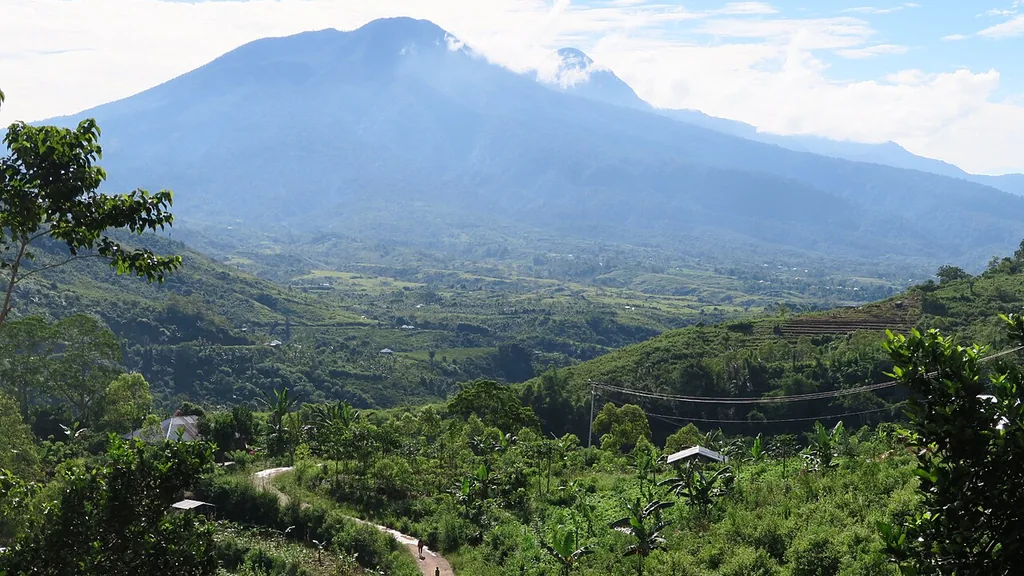
Ruteng is the highland capital of Manggarai regency, 135 km and a 4–5 hour drive east of Labuan Bajo, sitting at around 1,200 meters elevation — noticeably cooler than the coast, and most travelers’ first overnight stop on the overland route east. As of 2026, Ruteng is visited less for the town itself than for what surrounds it: the Cancar spider-web rice fields, the Liang Bua cave where the “hobbit” hominin fossils were discovered, and Manggarai’s arabica coffee country. This guide covers what to actually do here, how long to stay, and how it fits into the wider Trans-Flores route.
Why Do Travelers Stop in Ruteng?
Ruteng functions as the practical first overnight break heading east from Labuan Bajo — the mountain road makes a same-day push all the way to Bajawa or Ende unrealistic for most travelers, so Ruteng absorbs the first night. Beyond logistics, the town is the gateway to Manggarai highland culture: the Cancar rice fields, several traditional villages including Todo (a historic Manggarai royal seat), and cooler-climate coffee farms that supply much of the region’s well-regarded arabica.
Cancar Spider-Web Rice Fields
The Cancar rice fields, a short drive from Ruteng, are Manggarai’s best-known visual landmark — communal land divided in a radiating, web-like pattern (the local lodok system) rather than the terraced rows seen elsewhere in Indonesia. This division method reflects a traditional Manggarai land-allocation practice, not merely an aesthetic choice, and the fields are still actively farmed by local communities rather than maintained as a display. Morning light is generally considered the best time to visit for both photography and to see the fields at their most active, and a small local entrance or parking contribution is customary — ask locally, since this is not a fixed government-set fee like a national park entrance.
Liang Bua Cave: The “Hobbit” Discovery Site
Liang Bua, north of Ruteng, is the limestone cave where the remains of Homo floresiensis — the small-statured hominin species nicknamed the “hobbit” — were discovered by a joint Indonesian-Australian archaeological team in 2003. This is a genuine, well-documented scientific find, not folklore, and the cave remains an active point of interest for anyone curious about human prehistory in the region. Visiting typically involves a local guide and a modest access arrangement with the site; the cave itself is a natural limestone formation rather than a built museum, so expect a straightforward site visit rather than an interpretive center experience.
Manggarai Coffee Country
Flores’ highland arabica coffee, grown around Ruteng, Bajawa, and neighboring highland areas, has built a solid reputation among specialty coffee buyers for its distinct acidity and body, shaped by the volcanic soil and elevation of the region. Several farms and cooperatives near Ruteng welcome visitors for informal tours covering picking, processing, and roasting — arrangements are typically made through a local guide rather than a standardized ticketed tour, so ask your driver-guide to include a coffee stop if this interests you.
How Does Ruteng Fit Into an Overland Flores Route?
Ruteng is the first major stop heading east from Labuan Bajo on the standard Trans-Flores overland route, typically visited as an overnight before continuing to Bajawa (via the Wae Rebo trailhead turnoff, for travelers including that detour) and onward to Ende and the Kelimutu crater lakes. Reversing the route — starting from Maumere or Ende and finishing in Labuan Bajo — makes Ruteng one of the final stops instead. See our Trans-Flores highway planner for how driving distances and stop sequencing work across the full route, and the packaged overland itinerary for how this is arranged as a private, fully-guided itinerary rather than independent self-driving.
How Long Should You Spend in Ruteng?
| Time available | What fits |
|---|---|
| One night (standard overland stop) | Late-afternoon arrival, morning visit to Cancar rice fields before continuing to Bajawa |
| Two nights | Add Liang Bua cave and a coffee farm stop, or a side trip toward Todo village |
| Base for Wae Rebo trek | Most travelers arrange the Wae Rebo overnight trek as a separate detour from the Ruteng-to-Bajawa leg, adding a full extra day — see our Wae Rebo village tour page for how this is typically sequenced |
Where to Stay in Ruteng
Accommodation in Ruteng is modest compared to Labuan Bajo’s tourist-oriented hotel scene — expect simple guesthouses and small hotels geared toward overnight overland travelers rather than resort-style properties, which is consistent with the town’s role as a practical waypoint rather than a destination in itself. Most private overland tour operators pre-arrange a specific hotel as part of the package, so independent travelers should book ahead during peak season (roughly June to September) when overland traffic through the highlands is at its busiest.
Todo Village: A Quieter Alternative Near Ruteng
For travelers who have time for a second cultural stop beyond the standard Cancar rice field visit, Todo village near Ruteng offers a historically significant but far less-visited alternative — a former seat of Manggarai royal authority with its own traditional compound structure. It sees a fraction of the foreign visitor traffic that Wae Rebo or Bena receive, appealing to travelers who want a genuine off-the-beaten-path cultural stop rather than a well-photographed highlight. See our traditional villages of Flores guide for how Todo compares to the island’s other traditional villages.
Weather and What to Pack for the Highlands
Ruteng’s elevation makes it noticeably cooler than coastal Labuan Bajo, particularly in the evening and early morning — a light jacket or warm layer is genuinely useful here, unlike most of a standard Flores itinerary spent at sea level. Rain is more frequent in the highlands generally, so a light rain layer is worth packing regardless of season, and sturdy, closed footwear is more useful here than beach sandals given the rice-field walking paths and any village visits on unpaved ground.
Getting to and from Ruteng
Most travelers reach Ruteng as part of a private overland tour with a driver-guide, since public transport options (shared minibuses known locally as “bemo” or “oto”) run less predictably and are geared toward local travel rather than tourist schedules. A private car with driver from Labuan Bajo takes roughly 2.5 to 3 hours depending on road conditions and stops. Ruteng also has a small local airport (Frans Sales Lega Airport) with limited domestic connections, though most Flores itineraries reach it overland rather than by flying directly, given how central it is to the broader Trans-Flores route.
Frequently Asked Questions
How far is Ruteng from Labuan Bajo?
135 km, taking 4 to 5 hours by car depending on road conditions and how many stops you make along the way, such as at roadside viewpoints.
Is Ruteng worth visiting, or should I skip straight to Bajawa?
Most travelers find it worthwhile as more than a transit stop — the Cancar rice fields and Liang Bua cave are genuine, distinctive sights, and Ruteng also breaks up what would otherwise be an unrealistically long single driving day from Labuan Bajo to Bajawa.
Can I visit Ruteng as a day trip from Labuan Bajo without staying overnight?
It is possible given the roughly 2.5–3 hour drive each way, but most travelers combine Ruteng with an overnight stay as part of continuing east toward Bajawa, rather than a same-day round trip, since a return drive the same day leaves little time for the Cancar rice fields, Liang Bua, or a coffee stop.
Do I need a guide to visit Liang Bua cave?
A local guide is the standard and practical way to visit — the site does not operate as a self-guided tourist attraction with signage and staff in the way a museum would, so arranging entry and context through a guide is the normal approach.
What is the best time of day to visit the Cancar rice fields?
Morning is generally considered best, both for softer light for photography and because the fields and surrounding activity are typically most visible earlier in the day before the heat sets in.
Is Ruteng cold at night?
It is noticeably cooler than Labuan Bajo given the elevation, particularly overnight and in the early morning — pack a light jacket or warm layer, which is not usually needed elsewhere on a standard Flores coastal itinerary.
Plan Your Ruteng Stop
Read the Ruteng highland rundown above first, then take your dates to Komodo Luxury’s Labuan Bajo tour packages.
The Ruteng highland rundown above is our side of the work; the operator’s side starts at one-day Komodo trip packages. For a single berth rather than a hull, see shared open-trip departures. Families and small groups usually end up on private trip packages.
Local Life and Lesser-Known Sights Around Ruteng
Those willing to wander beyond the main stops will find Ruteng has a quieter, daily rhythm worth sampling. The heart of the old town, with its colonial-era church and modest market, offers a window into Manggarai life. Early mornings see the market at its busiest, with fresh produce and coffee beans traded by locals – worth a look if you want to see more than the usual sights.
Several Ruteng guesthouses run their own small walking tours to the villages nearby. While not as showy as the well-known tourist sites, these excursions often include time in family-run coffee farms or weaving workshops, where you can see traditional skills in use. It’s a more hands-on way to understand daily Manggarai culture and sometimes includes a home-cooked meal.
For those interested in religious or architectural history, the Ruteng Cathedral is a striking sight, with its unusual thatched roof inspired by local house design. The town also has a scattering of simple warungs serving highland dishes – think pork stew, sweet potatoes and, in some seasons, wild mushrooms from the hills. This is one of the best places on Flores to sample local food before heading onwards.
If you have extra time, ask your guesthouse about walks in the countryside surrounding Ruteng. Footpaths lead into coffee plantations, pine groves and quiet hamlets, where the pace slows even further. A half-day ramble can be a rewarding way to see a side of Manggarai not visible from the main road, and guesthouse staff can often point you to trailheads or arrange an informal guide for a modest fee.
More Questions Answered
What else is there to do in Ruteng beyond the main sights?
Beyond Liang Bua and Cancar rice fields, you can visit the Ruteng market at dawn, take guesthouse-led walks to nearby villages, explore the cathedral, or hike into coffee country. Most activities can be organised by asking your accommodation, and the best are low-key local experiences within a few kilometres of town.
Do Ruteng guesthouses work if you do not speak Indonesian?
Yes, most guesthouses in Ruteng cater to non-Indonesian speakers. Staff commonly have basic English, especially in accommodations familiar with overseas visitors. Written information is sometimes limited, but arranging transport or tours is usually straightforward with a mix of English and gestures.
How can I reach Liang Bua from Ruteng without a car?
Liang Bua is about 14 km from Ruteng. Without your own vehicle, the simplest way is to book a motorbike taxi (ojek) or organise a car and driver through your accommodation. Public transport is rare and unreliable, so arranging a ride in advance saves time, with round-trips usually taking half a day.
What is the highland food like in Ruteng?
Highland food in Ruteng features pork stews, sweet potatoes, local vegetables, and robust arabica coffee. Menus in town warungs are basic but distinct from coastal Flores. For a deeper food experience, ask a guesthouse about arranging a meal with a village family, especially during the dry season harvest months.
Ruteng is normally arranged as part of a wider Flores overland itinerary rather than a standalone destination. See the Flores Overland Tour Packages page for private, driver-guided routes that include Ruteng, Cancar, and onward highland stops, or message Komodo Luxury on WhatsApp at +62 811-3810-8110 or email sales@komodoluxury.com to build a custom stop sequence.
Keep reading
More from the journal
-
Overland Route
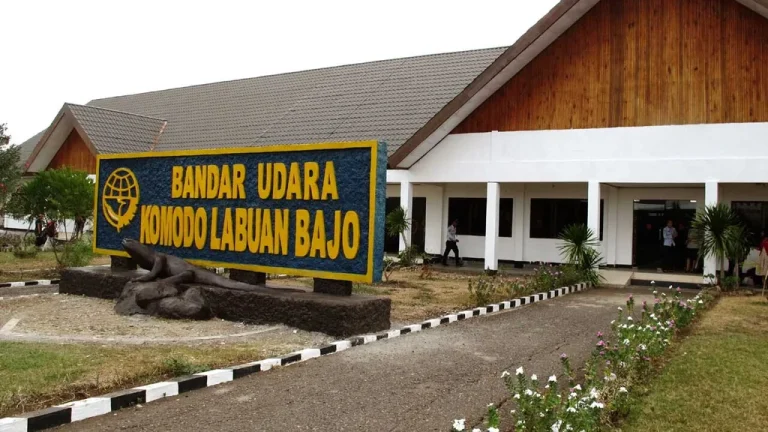
Komodo Airport (LBJ) Arrival Guide
Komodo Airport (IATA: LBJ, officially Komodo International Airport) sits about 2–4 km from Labuan Bajo harbour, a 10–15 minute drive.…
11 min Read -
Overland Route
Maumere Travel Guide: East Flores Gateway
Maumere, capital of Sikka Regency in east Flores, is served by Frans Xavier Seda Airport (MOF) with flights to Kupang,…
10 min Read -
Overland Route
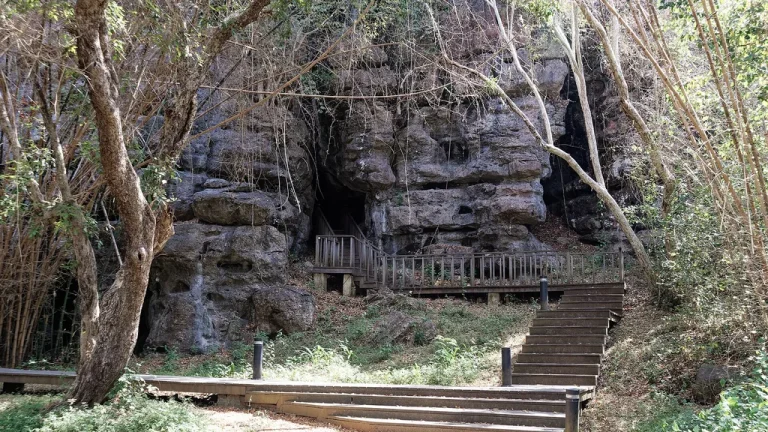
Batu Cermin Cave in Labuan Bajo
Batu Cermin ("Mirror Rock") is a limestone cave about 3–4 km from Labuan Bajo, formed from an ancient coral reef…
10 min Read