
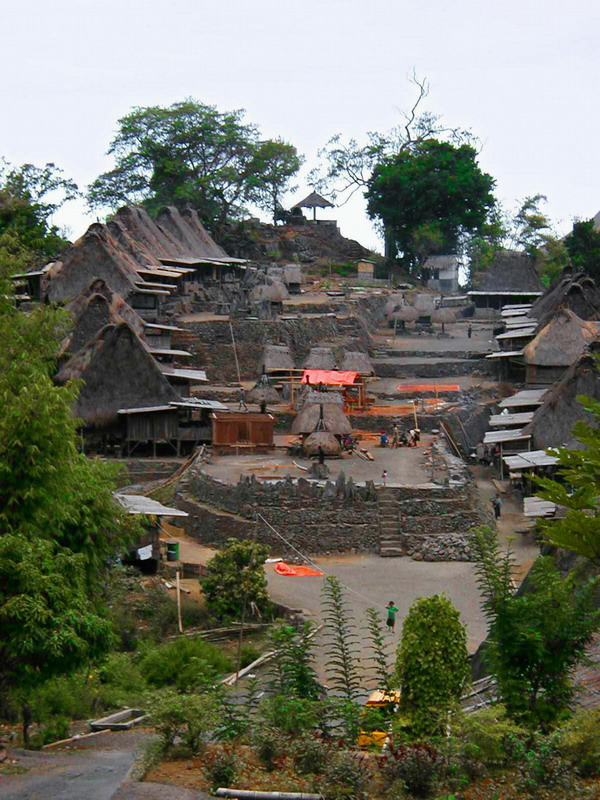
Flores has traditional villages (kampung adat) in nearly every regency, each tied to a distinct ethnic group and architectural style — the cone-roofed houses of Wae Rebo in Manggarai, the megalithic stone compounds of Bena in Ngada, and lesser-known villages further east like Wologai in Ende and weaving communities in Sikka. As of 2026, this guide catalogs the traditional villages worth visiting across the island and the etiquette expected of visitors, while our dedicated Wae Rebo village tour page covers that specific village’s trek, homestay, and booking details in full depth.
Wae Rebo (Manggarai): The Cone-House Village
Wae Rebo, reached by a 3–4 hour guided forest trek from the nearest road access point near Ruteng, is Flores’ best-known traditional village internationally, largely due to its distinctive mbaru niang cone-shaped houses and its 2012 UNESCO Asia-Pacific Award for Cultural Heritage Conservation. Visitors typically stay overnight inside the village on simple shared mattresses, which is considered part of the experience rather than a limitation. Because this village has enough visitor demand and logistical detail (trek difficulty, overnight arrangements, booking process) to warrant its own dedicated guide, see our Wae Rebo village tour page rather than this overview for trek-specific planning.
Bena (Ngada): Megalithic Village Under Mount Inerie
Bena, near Bajawa, is a still-inhabited megalithic village arranged around a central row of stone altars and ancestor shrines, with Mount Inerie’s volcanic cone forming a striking backdrop. Unlike Wae Rebo, Bena does not require a multi-hour trek — it is accessible by a short drive from Bajawa, making it a far easier stop to add to a standard overland itinerary. Traditional thatched houses here reflect Ngada architectural style, distinct from Manggarai’s cone houses, and the village remains a center for Ngada ceremonial life, including the Reba new year ceremony — see our Flores festivals and ceremonies calendar for timing.
Luba and Other Ngada Villages Near Bajawa
Beyond Bena, several other Ngada villages near Bajawa — including Luba — share similar megalithic architecture and are visited as an extension of a Bena stop rather than as separate detours, given their proximity to each other. These villages tend to see fewer visitors than Bena itself, which some travelers prefer for a quieter, less staged experience of the same architectural and cultural style. See our Bajawa travel guide for how these stops are typically combined with the town’s hot springs.
Todo (Manggarai): The Historic Royal Seat
Todo, near Ruteng, holds historical significance as a former seat of Manggarai royal authority, with a traditional compound structure reflecting that historic status rather than being primarily a photogenic architectural showcase like Wae Rebo or Bena. It sees considerably fewer foreign visitors, making it a genuine off-the-beaten-path option for travelers who have already visited the more prominent villages and want a different, less-visited cultural stop near Ruteng. See our Ruteng travel guide for the wider highland area this village sits in.
Wologai (Ende): A Lio Highland Village
Wologai, in the highlands near Ende, represents the Lio ethnic group’s traditional village architecture, distinct from both the Manggarai and Ngada styles further west. Set at elevation with sweeping highland views, it is visited far less frequently than the villages closer to the main Labuan Bajo–Bajawa corridor, appealing to travelers extending their overland route toward Ende and Kelimutu who want a village stop that is not on every standard itinerary. See our Ende travel guide for the surrounding area.
Sikka Weaving Villages (Near Maumere)
The Sikka regency, on Flores’ northern coast near Maumere, is known less for architectural villages and more for traditional ikat weaving communities, where the region’s distinctive hand-woven textile patterns are still produced using traditional techniques passed through generations. Visiting a weaving village here is a different kind of cultural stop than the cone-house or megalithic villages further west — centered on craft demonstration and, often, the opportunity to purchase authentic woven pieces directly from the weavers.
Visiting Etiquette Across All These Villages
- Dress modestly and follow your guide’s lead on appropriate conduct — these are lived-in communities, not open-air museums.
- A small entrance donation or welcome contribution is customary at most villages, varying by location; ask your guide what is appropriate rather than assuming a fixed amount.
- Ask before photographing people directly, particularly during any ceremonial or ritual activity you might encounter.
- A local guide is strongly recommended for context and appropriate introduction at every village listed here, not only for the villages requiring a physical trek.
Homestays: A Deeper Way to Experience These Villages
Beyond a day-visit or, for Wae Rebo, the standard overnight trek arrangement, some travelers arrange a longer homestay directly with a family in or near one of these villages, particularly around Bajawa and the Ngada highlands where several villages have set up informal homestay arrangements alongside their day-visit model. A homestay generally means simpler facilities than any hotel, shared meals with the host family, and a considerably deeper look at daily life than a guided walk-through provides — arranged through a local guide or tour operator familiar with which families currently host, since this is not standardized or centrally listed.
Comparing These Villages at a Glance
| Village | Region/Group | Access | Known for |
|---|---|---|---|
| Wae Rebo | Manggarai | 3–4 hour trek from Ruteng area | Cone-shaped mbaru niang houses; UNESCO award 2012 |
| Bena | Ngada | Short drive from Bajawa | Megalithic stone altars, Mount Inerie backdrop |
| Todo | Manggarai | Short drive from Ruteng | Historic royal seat, few visitors |
| Wologai | Lio (Ende highlands) | Drive from Ende | Distinct Lio architecture, highland setting |
| Sikka weaving villages | Sikka | Drive from Maumere | Traditional ikat weaving craft |
Frequently Asked Questions
Which traditional village should I prioritize if I only have time for one?
Wae Rebo is the most distinctive architecturally and the most internationally recognized, but requires the most time and physical effort (the overnight trek). If time is limited, Bena offers a comparably strong cultural and visual experience with far easier access.
Do I need a guide to visit these villages?
Strongly recommended for all of them — guides provide cultural context, appropriate introductions, and help navigate customary donation expectations, which vary by village and are not standardized or posted anywhere.
Are these villages still actually lived in, or are they preserved for tourism?
All the villages listed here are genuinely inhabited communities practicing ongoing traditional and agricultural life, not reconstructed displays — visitors are guests in a living community, which is the basis for the etiquette guidance above.
Can I visit multiple traditional villages in one overland trip?
Yes — Wae Rebo, Bena/Luba, and Todo can all reasonably fit into a single overland itinerary through the Manggarai and Ngada highlands, while Wologai and the Sikka villages fit better into an eastward extension toward Ende and Maumere. See our Flores 14-day Trans-Flores itinerary guide for how this is typically sequenced.
Is it okay to buy woven textiles directly from villagers?
Yes, and it is generally welcomed — buying handwoven ikat directly from weavers, particularly in Sikka’s weaving villages, supports the artisans directly rather than passing through a retail middleman. Ask about the piece’s origin and technique if you are curious; most weavers are glad to explain their process to an interested buyer.
Plan Your Village Route
Having set out the village etiquette section above, the honest next line is that this site takes no bookings, and Komodo Luxury’s Labuan Bajo tour desk is where they are taken.
This page does the planning. The booking itself is made at one-day Komodo trip packages. This page plans the trip; shared open-trip departures or private trip packages books it.
Choosing and Booking Village Experiences Across Flores
Flores island travel cultural villages range from well-known sites to smaller communities rarely visited by outsiders. To explore the best traditional villages near Labuan Bajo, consider a guided tour to Melo or Liang Ndara, which offer access to traditional houses and Caci whip-dance performances. However, the most immersive options lie inland, such as the traditional villages near Ruteng such as Ruteng Pu’u or Todo, which retain traditional housing compounds and rituals without large crowds.
For ikat, the celebrated weaving villages are Sikka and Nggela in the east, though several West Manggarai villages within reach of Labuan Bajo also produce handwoven cloth and sell it directly. Everything is made by hand, and in many villages you can watch part of the process rather than only see the finished piece. For anyone who cares where their souvenir came from, buying at the loom is the difference between a textile and a transaction.
Staying overnight in a village — at Wae Rebo, or on a tour of the Ngada settlements around Bajawa — is arranged through the village homestay network rather than a booking site. Wae Rebo, Bena and Wologai are the established options, and all three include communal meals and time with your hosts. Beds under twenty dollars a night exist, particularly around Bajawa, and they are basic in the ways you would expect and generous in the ways that matter. Families travelling with children should read our family planning guide for what village stays actually involve.
You can join an organised village tour or arrange visits yourself, almost anywhere on the island. A local guide is sometimes compulsory and always useful, because the animist practices layered under Flores Catholicism are not self-explanatory to a visitor. From Bajawa, a single day is enough to take in several Ngada settlements, with stops for photography or a market along the way. Structured tour or independent detour, the villages accommodate both.
More Questions Answered
Where to buy traditional weaving in Flores?
Buy traditional weaving directly from village weavers in Sikka, Nggela, or Ngada areas for authentic selection and better prices than urban markets. Each region specialises in distinct ikat motifs. Market days in Ende, Bajawa, or Maumere also occasionally feature textiles, but weaving demonstrations and custom orders are best arranged in the villages themselves.
How do I see traditional villages in Flores?
Visit traditional villages by hiring a local guide or joining a day tour from Ruteng, Bajawa, or Labuan Bajo. Public transport rarely reaches these sites. Most travellers combine two or three villages in a single outing, with the dry season (April–November) offering the best trekking and access conditions.
How to visit traditional villages responsibly in Flores?
Ask permission before entering houses, avoid interrupting ceremonies, and buy crafts directly from makers at fair prices. Dress modestly and follow posted visitor rules. Respect for local customs is valued; hiring local guides provides context and ensures your visit supports community initiatives.
Can I stay overnight in Flores traditional villages?
Yes, overnight stays are possible in some villages such as Wae Rebo, Bena, and occasionally Wologai, usually as part of a guided trek or tour. Book in advance during festival periods or high season (June–August), as homestay capacity is limited. Expect shared spaces and simple facilities.
A private overland itinerary is the most practical way to combine several of these villages without the scheduling constraints of public transport. See the overland package that covers this route page, or message Komodo Luxury on WhatsApp at +62 811-3810-8110 or email sales@komodoluxury.com to build a village-focused route.
Keep reading
More from the journal
-
Culture & Villages
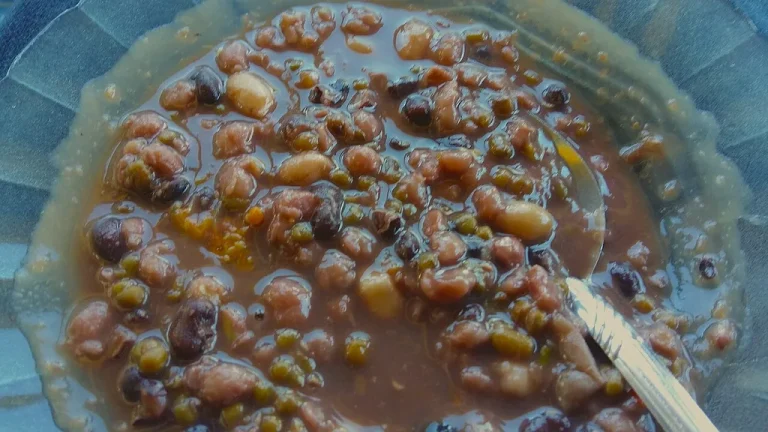
What to Eat in Flores: Local Food Guide
Reading the food rundown costs nothing; booking it happens at Komodo Luxury. Planning stops here. The Komodo Luxury side takes…
3 min Read -
Culture & Villages
Volunteering and Giving Back in Flores
Real, verifiable conservation work is underway around Labuan Bajo — Coral Guardian and local NGO WES have restored reefs near…
9 min Read -
Culture & Villages
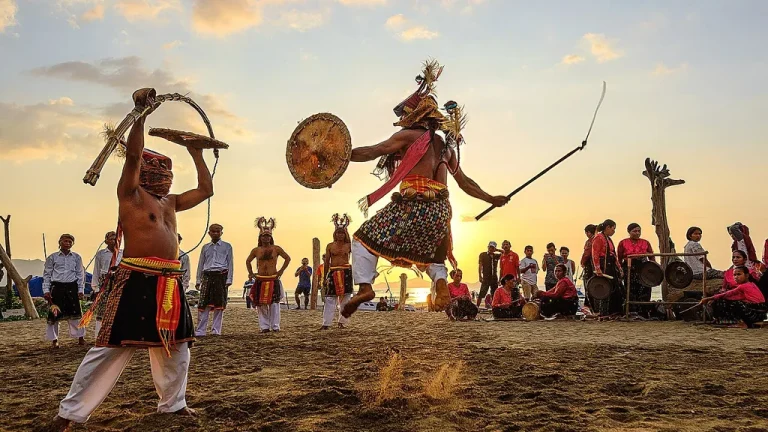
Flores Festivals and Ceremonies Calendar
Flores island's biggest cultural events — the Ngada highlands' Reba, the Manggarai harvest ceremony Penti, and the Portuguese-Catholic Holy Week…
11 min Read