
Cultural Preservation Efforts on Flores Island
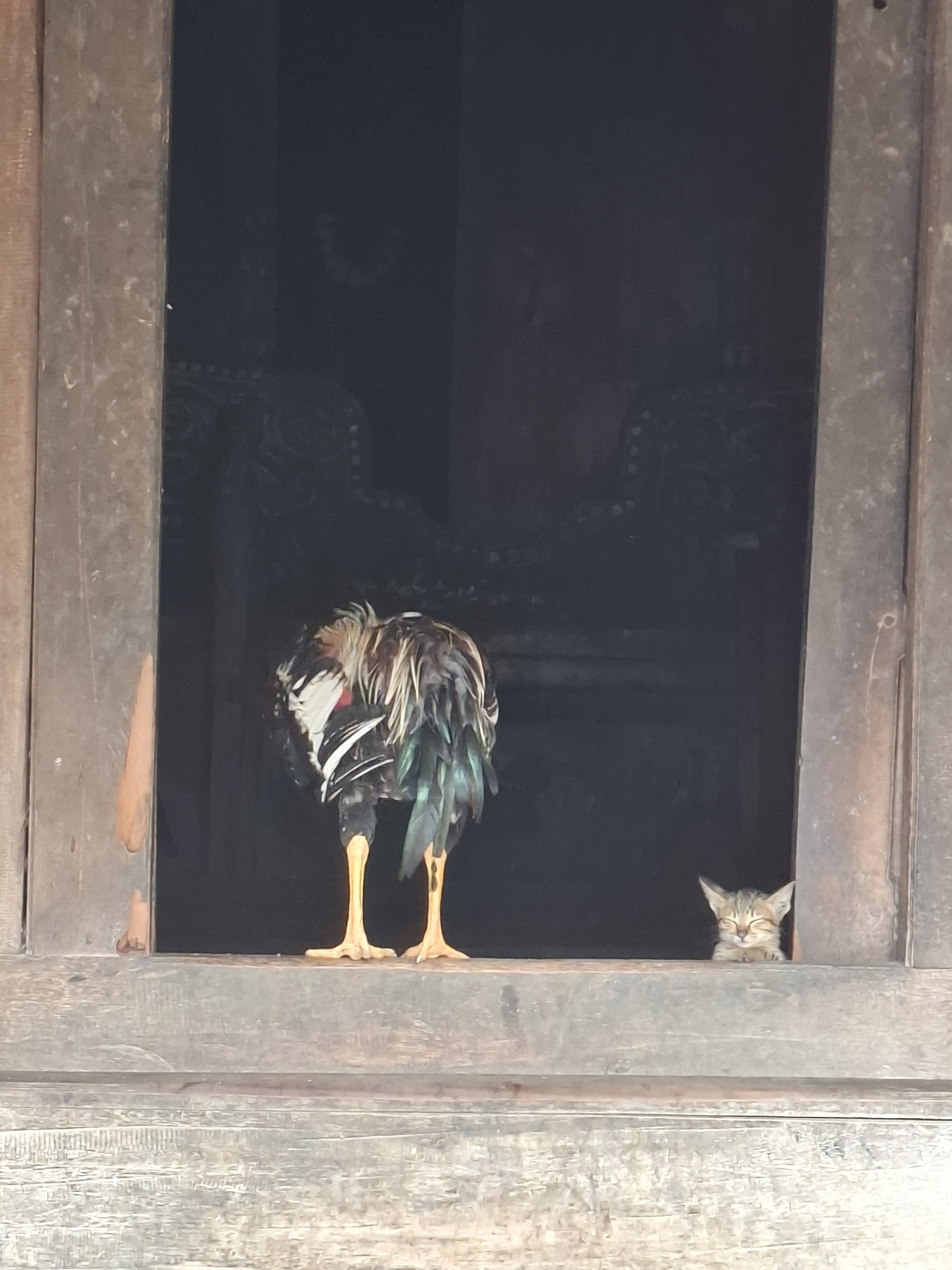
Efforts in cultural preservation on Flores Island focus on safeguarding traditional practices and promoting heritage protection to ensure the island’s rich cultural legacy is passed on to future generations.
Cultural Preservation Flores
Flores Island is renowned for its vibrant and diverse cultural heritage, with over 1.8 million residents representing a mosaic of ethnic groups, each contributing unique traditions. As globalisation accelerates, maintaining cultural identity has emerged as a priority for many communities. Cultural preservation on Flores Island is a significant initiative aimed at protecting the island’s unique traditions and heritage. This effort encompasses various aspects, including the safeguarding of traditional practices and the promotion of cultural awareness among residents and visitors alike. The island’s cultural initiatives often draw attention to the Manggarai, Ngada, and Lio ethnic groups, each with distinct languages, rituals, and arts that require careful preservation.
Heritage Protection Flores
The protection of Flores Island’s heritage involves a multifaceted approach. Local authorities, cultural organizations, and community leaders collaborate to ensure that the island’s cultural legacy is preserved. Efforts include documenting oral histories, supporting traditional arts and crafts, and promoting festivals that celebrate the island’s rich cultural landscape. For instance, the annual Komba Festival in Ende showcases traditional music and dance, attracting thousands of visitors. These initiatives not only protect the island’s heritage but also provide opportunities for economic growth through cultural tourism. In 2022, cultural tourism contributed approximately 15% to the local economy, underscoring its significance.
Traditional Practices Flores
Traditional practices on Flores Island play a crucial role in cultural preservation. From the intricate weaving techniques of the Ikat textiles to the unique dance forms and music, these practices are integral to the island’s identity. Efforts to preserve these traditions include educational programs in schools, workshops for artisans, and community events that showcase traditional skills and knowledge. Ikat weaving, for example, is taught in several villages, where women spend months crafting each piece, using natural dyes sourced from local plants. These initiatives ensure that younger generations appreciate and continue these age-old practices, which are crucial for maintaining cultural continuity.
Community Involvement in Cultural Preservation
Community involvement is vital to the success of cultural preservation efforts on Flores Island. Local communities are encouraged to participate in decision-making processes and contribute to initiatives that aim to preserve their cultural heritage. This grassroots approach ensures that preservation efforts are aligned with the values and priorities of the communities themselves, making them more sustainable and impactful. For example, in the Ngada region, community members have formed committees to oversee cultural projects, ensuring that local voices are heard and respected. These committees often work with schools to integrate cultural education into the curriculum, fostering a sense of pride and ownership among younger residents.
2027 Note on Cultural Preservation
As of 2027, Flores Island continues to strengthen its commitment to cultural preservation. New initiatives focus on integrating modern technology with traditional practices, allowing for wider dissemination and appreciation of the island’s cultural heritage. The use of digital platforms to document and share cultural knowledge has become increasingly important, ensuring that the island’s unique traditions are preserved for future generations. For instance, virtual reality experiences are being developed to allow global audiences to explore Flores’ cultural festivals and historic sites, providing an immersive understanding of the island’s heritage. This technological integration not only broadens access but also engages younger, tech-savvy generations in cultural preservation efforts.
FAQ
How is Flores Island working to preserve its cultural heritage?
Flores Island is actively preserving its cultural heritage through community-driven initiatives, educational programs, and support for traditional practices. Efforts include documentation projects, artisan workshops, and cultural festivals that highlight the island’s diverse traditions.
What traditional practices are being preserved on Flores Island?
Traditional practices such as Ikat weaving, local dance forms, and music are among those being preserved on Flores Island. These practices are supported through educational initiatives and community events that promote cultural continuity.
How can visitors learn about Flores Island’s cultural heritage?
Visitors can learn about Flores Island’s cultural heritage by participating in local festivals, visiting cultural centres, and engaging with community-led tours. These experiences offer insights into the island’s unique traditions and the efforts being made to preserve them.
The cultural-preservation account here is written to be used without booking anything, but travellers who would rather not self-manage it can start at Komodo Luxury’s Labuan Bajo tour desk.
Once you know what you want, luxury cruises across Indonesia is the place that arranges it. Visits that take in Manggarai, Ngada and Lio communities on one trip need a vessel able to stay out for several nights; Komodo Luxury collects the crewed, provisioned boats that can do it on its luxury yacht charters across Indonesia page. For the commercial fine print this page does not set, see Komodo Luxury’s own FAQ — worth a look once the cultural-preservation account here is settled.
Experiencing Flores: Cultural Activities and Practical Guidance
Travellers looking for unique cultural experiences in Flores will find a wide range of opportunities across the island. Among the most vibrant are performances of traditional music in Flores, which vary by region. In the west, the Manggarai tribe’s Caci whip dance includes rhythmic gong and drum ensembles, while in the east, the Lio people perform ceremonial chanting and flute music. Such events are often held during annual harvest festivals or as part of a Flores island cultural tour arranged by local guides.
For those interested in hands-on traditions, several villages offer workshops on Flores Indonesia traditional crafts. In Sikka and Ende, visitors can watch or even join artisans weaving ikat textiles or carving wooden ritual figures. These authentic encounters are frequently included in curated Flores island cultural travel itineraries, which also highlight food preparation, traditional house building, and storytelling sessions. It’s common for sessions to last a few hours and small group sizes allow for personal instruction.
Flores island cultural attractions are not limited to art and music; many combine natural settings with heritage. The traditional spider web rice fields near Ruteng, or the ancient stone villages of Bena and Wae Rebo, are excellent for those seeking immersive Flores cultural experiences. Combining outdoor pursuits—such as learn to dive Flores island—with local village visits is possible in spots like Maumere, where reefs and coastal villages are close. Evening performances of Flores island traditional music and dance are sometimes arranged for guests staying overnight in remote communities, especially during festival months (June–September).
There are several key cultural tips for visiting Flores: dress modestly in villages, always ask before taking photographs of people or ceremonies, and bring small gifts such as betel nut or coffee if invited into a home. Guided visits usually include an introduction to local etiquette and language basics, which can smooth interactions and help support responsible tourism.
More Questions Answered
What are the best times of year for Flores island cultural travel?
June to September is ideal for Flores island cultural travel, as many villages hold festivals and the weather is dry. The Komba Festival and Caci performances happen during this period. Roads are more reliable, and traditional events are more frequent, though some areas may be busier with both domestic and international visitors.
How can I experience Flores Indonesia traditional crafts first-hand?
You can join village-run workshops in Sikka, Ende, or Ngada regions, where locals demonstrate and teach Flores Indonesia traditional crafts like ikat weaving and wood carving. Sessions are often booked through local guesthouses or community tourism offices and can last from a couple of hours to half a day. Booking in advance is recommended in peak season.
Are Flores island cultural tours suitable for families?
Yes, many Flores island cultural tours are suitable for families, especially those focused on crafts, music, or dance rather than trekking. Itineraries can be tailored to include interactive elements such as textiles or cooking for children. Some remote villages require walks of 1–3 hours, so check fitness levels and accessibility when planning with guides.
What are must-see Flores island cultural attractions for first-time visitors?
First-time visitors should consider Bena and Wae Rebo traditional villages, spider web rice fields near Ruteng, and an evening of Flores island traditional music and dance. Each offers a distinct insight into the island's heritage. Many tours combine these highlights with local markets and coastal sites to provide a well-rounded cultural experience.
Keep reading
More from the journal
-
Travel Journal
Labuan Bajo After Dark: Food and Nightlife
Labuan Bajo's evening scene centers on Kampung Ujung, the waterfront dining strip near the harbour where local seafood restaurants and…
12 min Read -
Travel Journal
Marine Life Around Flores and Komodo
The waters around Flores and Komodo National Park sit within the Coral Triangle, a region marine biologists recognize as having…
10 min Read -
Travel Journal
Digital Payments and QRIS in Flores
QRIS (Indonesia's unified QR payment standard) now works at a growing number of cafes, shops and tour operators in Labuan…
12 min Read