
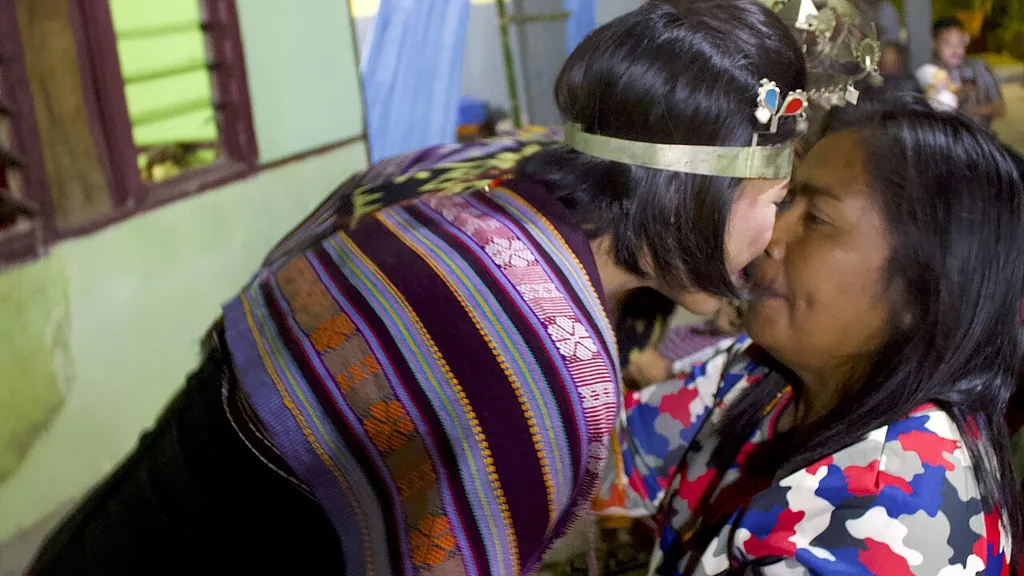
Bahasa Indonesia is the national language used across Flores and understood everywhere, but the island is also home to distinct regional languages — Manggarai in the west, Ngada around Bajawa, and Lio near Ende and Kelimutu — plus a religious split between a mostly Catholic interior and Muslim coastal communities, which shapes dress codes and greeting customs from village to village.
What Language Is Spoken in Flores?
Bahasa Indonesia is the language you’ll actually need — it’s taught in schools nationwide and used in tourism, transport and official settings across the whole island, so travelers can get by comfortably with a phrasebook’s worth of Indonesian. Underneath that, Flores is linguistically diverse: the Manggarai people of the west (around Labuan Bajo and Ruteng) speak Manggarai, the Ngada people around Bajawa speak Ngada, and communities near Ende and Moni speak Lio, among several other regional languages further east. These are everyday home languages, not tourist-facing ones, but a visitor who learns even a couple of greeting words in the local language of the area they’re visiting tends to get a noticeably warmer response than one who defaults straight to English.
Useful Bahasa Indonesia Phrases for Travelers
| English | Bahasa Indonesia | When to use it |
|---|---|---|
| Hello | Halo / Selamat pagi (morning) | General greeting, any time of day works with “halo” |
| Thank you | Terima kasih | After any service — drivers, guides, homestay hosts notice this |
| Please / excuse me | Permisi | Entering a village, passing through a group, asking a question |
| How much does this cost? | Berapa harganya? | Markets, informal purchases |
| May I take a photo? | Boleh saya foto? | Always ask before photographing people directly |
| I don’t understand | Saya tidak mengerti | Useful when a driver or vendor switches to fast local dialect |
What Is the Religion in Flores, and How Does It Vary Across the Island?
Flores is unusual within Indonesia for its strong Catholic majority, a legacy of centuries of Portuguese and Dutch missionary presence — the highland interior (Ruteng, Bajawa, Ende, Maumere) is predominantly Catholic, with churches and religious festivals playing a visible role in village life. Coastal and port communities, including parts of Labuan Bajo, have larger Muslim populations, reflecting Flores’ place along historic Indonesian and Malay trading routes. Traditional animist beliefs also persist alongside both, especially in ceremonies tied to rice cycles, ancestor houses, and events like the lingko field allocations near Ruteng. In practice this means dress and etiquette expectations shift as you move around the island — modest dress matters near any place of worship or during a village ceremony, regardless of which religion is practiced there.
Cultural Etiquette When Visiting a Kampung (Village)
- Ask permission before entering — a visible community leader or the person who greets you first is generally the right one to ask; don’t wander into ceremonial or family compounds unannounced
- Dress modestly — shoulders and knees covered is a safe baseline for any village visit, not just religious sites
- Accept offered food or drink graciously — betel nut, coffee, or a small snack offered during a village visit is a hospitality gesture; a polite taste or acceptance is appreciated even if you don’t finish it
- Ask before photographing people — “Boleh saya foto?” goes a long way, and a refusal should be respected without argument
- Follow your local guide’s lead at ceremonies — traditional ceremonies (weddings, harvest rites, ancestor rituals) have specific protocols that outsiders can’t intuit; your guide will tell you where to stand and what to avoid
Wae Rebo, the UNESCO-recognized drum-house village in the Manggarai highlands, is the clearest example of formal village protocol on Flores — visitors are received by a designated village guide on arrival, and there’s a customary order to how you’re welcomed before walking further into the settlement. If a village visit like this is on your itinerary, our guide to the Cancar lingko fields covers a related piece of Manggarai land and community custom worth understanding before you go.
Tipping Culture in Flores
Tipping isn’t a fixed local custom the way it is in some countries, but it’s become a normalized and appreciated practice in Flores’ tourism industry specifically — drivers, boat crews, and trekking guides commonly receive tips from travelers as a way of recognizing good service, particularly on multi-day trips. There’s no single “correct” percentage; a modest per-day amount for a driver or guide, and a shared pooled tip for boat crew at the end of a Komodo trip, is the general pattern most travelers follow. For a fuller breakdown by service type, see our tipping in Flores and Komodo guide.
Greetings and Everyday Politeness
A warm greeting matters more in Flores than a perfectly fluent sentence. “Selamat pagi/siang/sore/malam” (good morning/day/afternoon/evening) said sincerely to a driver, homestay host or shopkeeper opens doors that a rushed transaction doesn’t. Handshakes are common on introduction; a slight nod or light touch of the hand to the chest afterward is a respectful local variant you’ll see used, particularly by older Manggarai and Ngada people.
Traditional Ceremonies — What to Know as an Observer
Flores’ traditional ceremonies — harvest rites tied to the rice cycle, ancestor house rituals in the highlands, and Catholic festival processions in towns like Larantuka further east — are living community events, not performances staged for visitors. If your itinerary happens to coincide with one, a local guide can tell you whether observing is appropriate and, if so, where to stand and how to behave: generally quiet, respectful observation from a designated area, without inserting yourself into the ceremony itself or treating it as a photo opportunity first. Asking your guide “is it okay for us to be here” before assuming yes is the right instinct.
A Few Local Words Beyond Bahasa Indonesia
| Region | Local language | Where you’ll hear it |
|---|---|---|
| Labuan Bajo, Ruteng | Manggarai | Everyday conversation among locals in the west; Indonesian is still used with visitors |
| Bajawa | Ngada | Highland villages around Bajawa and Mount Inerie |
| Moni, Ende | Lio | Communities near Kelimutu and the eastern-central coast |
You won’t need any of these languages directly — every guide and most tourism-facing staff speak Indonesian and workable English — but recognizing that a driver switching between Indonesian and a rapid local dialect with a fellow villager isn’t excluding you, it’s simply their first language, helps set the right expectation for a village visit.
Cultural Immersion — Going Beyond the Checklist
The most memorable cultural experiences in Flores tend to come from slowing down rather than checking off village names: staying an extra night in a homestay near Wae Rebo or Bajawa, joining a family for a simple meal if invited, or timing a visit around a local ceremony (with a guide’s advance knowledge, not by chance). None of this requires special access — it requires time in the itinerary, which is worth discussing when you’re planning your route rather than treating villages as ten-minute photo stops.
What is the religion in Flores, Indonesia?
Flores has a strong Catholic majority in its highland interior, a legacy of Portuguese and Dutch missionary history, with larger Muslim populations in some coastal and port communities, plus traditional animist beliefs woven into local ceremonies across the island.
What should I wear when visiting villages in Flores?
Modest dress — shoulders and knees covered — is the safe standard for any village visit or religious site, regardless of whether the local community is Catholic, Muslim, or practicing traditional customs.
Is tipping expected in Flores and Komodo tours?
It’s not a strict local custom but is a well-established and appreciated practice in the tourism industry specifically, particularly for drivers, guides and boat crew on multi-day trips.
Can I take photos of local people in Flores villages?
Always ask first — “Boleh saya foto?” is the polite phrase to use, and a refusal should be respected without argument. This applies equally to villagers going about daily life and to anyone at a traditional ceremony.
Last updated: August 26, 2026.
Readers who work through the language and etiquette section here usually hit the same wall next: somebody has to hold the boat, which is what Komodo Luxury is for.
This site is published by Flores Island Travel, part of Juara Holding Group, which has run travel operations from Bali since 2015 — context worth having when you read the language and etiquette section here. For a trip that includes genuine village and cultural stops, planned with local etiquette in mind, message WhatsApp at +62 811-3810-8110 or email sales@komodoluxury.com.
Related reading
If that format is not quite what you want, Komodo boat tours is listed on its own. This page plans; liveaboard sailings in Komodo books. Labuan Bajo yacht rental covers the same trip in a different shape.
Getting Beyond Basics: Communicating and Behaving Well Across Flores
The official language across Flores is Bahasa Indonesia, yet the real-life picture is more layered. Each region maintains its own mother tongue—Manggarai, Ngada, Lio, and others—which people use at home and in markets. While most locals switch to Indonesian with outsiders, learning even a few local phrases such as ‘wae’ (water, Manggarai) or ‘aja’ (come, Lio) will usually elicit surprise and warmth. Simple local greetings can open doors, especially in smaller villages away from the main tourist trail.
Cultural etiquette on Flores is shaped by both tradition and religion. Catholic-majority highlands tend to be more relaxed about attire, while some coastal Muslim areas expect visitors to dress more modestly—covering shoulders and knees, especially in mosques or religious ceremonies. Public displays of affection, loud voices, and confrontational behaviour are frowned upon everywhere. When invited into a home, remove your shoes and wait to be offered a place to sit; gifts of fruit or snacks are appreciated but not required.
Flores island language tips for travellers: always start with a respectful greeting, use two hands when giving or receiving items, and avoid pointing with your finger—gesture with your whole hand or thumb. When meeting elders, a slight nod or handshake is appropriate for both men and women, but let your host set the tone. For taking photos, obtain verbal consent first; this is part of the etiquette everywhere on Flores, especially during ceremonies or inside family compounds.
Flores Indonesia travel etiquette also means showing patience—schedules and transport are often fluid. Using basic Indonesian phrases for travelers such as ‘permisi’ (excuse me), ‘terima kasih’ (thank you), and ‘maaf’ (sorry) goes a long way to smooth over misunderstandings, and marks you as a guest who respects local customs, not just a tourist passing through.
Frequently Asked Questions
What should I know about local etiquette in Labuan Bajo?
Labuan Bajo is more relaxed than rural Flores, but politeness matters. Dress modestly in town and cover up when visiting mosques or villages nearby. Bargain at markets with a smile, remove shoes when entering homes, and always greet people—especially elders. The port sees a seasonal influx of visitors, so patience during busy July–September months is valued.
Is English widely spoken on Flores?
English is spoken by some people in tourism—hotel staff, dive guides, and younger locals in Labuan Bajo—but outside main towns, few people use it daily. In smaller villages and markets, Bahasa Indonesia or a regional language is standard, so a phrasebook helps on the Trans-Flores road or remote hikes.
What should I wear on Flores?
Wear lightweight, modest clothing that covers shoulders and knees, especially when visiting villages or religious sites. In Labuan Bajo and Komodo boats, shorts and T-shirts are fine. The rainy season (December–March) needs a waterproof layer, and sturdy footwear is recommended for hikes on Flores’ rugged volcanic terrain.
Can I get by with just basic Indonesian phrases for travelers?
Yes, basic Indonesian phrases for travelers are usually enough for daily needs—shopping, asking directions, politeness. For deeper connections in rural areas, learning a greeting or thank you in the local language (such as Manggarai or Lio) is appreciated. English alone is rarely enough outside major tourist spots.
Keep reading
More from the journal
-
Culture & Villages
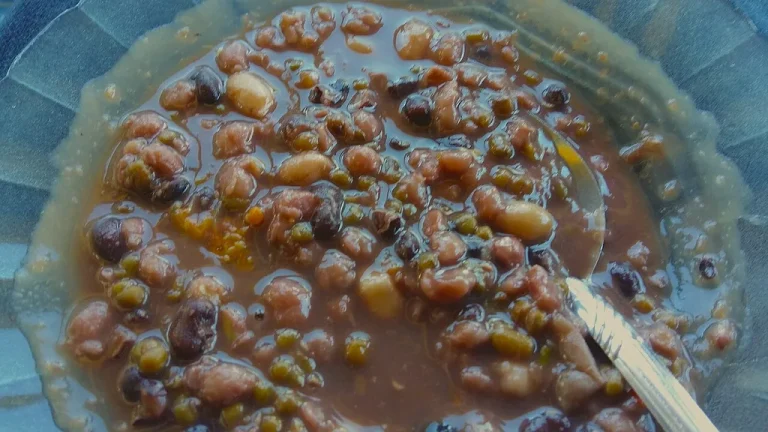
What to Eat in Flores: Local Food Guide
Reading the food rundown costs nothing; booking it happens at Komodo Luxury. Planning stops here. The Komodo Luxury side takes…
3 min Read -
Culture & Villages
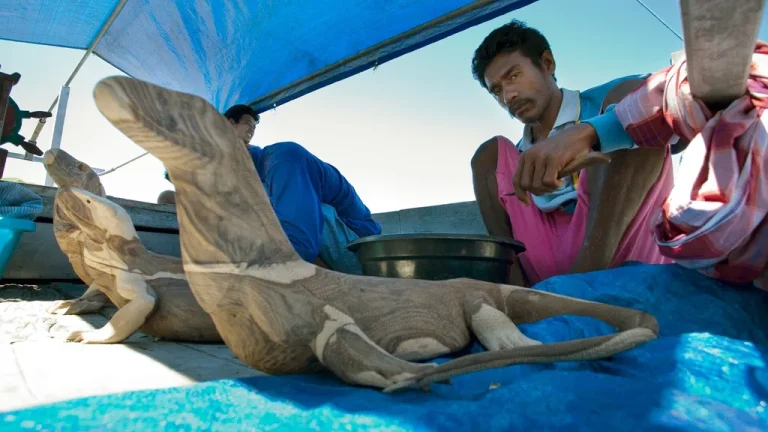
Volunteering and Giving Back in Flores
Real, verifiable conservation work is underway around Labuan Bajo — Coral Guardian and local NGO WES have restored reefs near…
9 min Read -
Culture & Villages
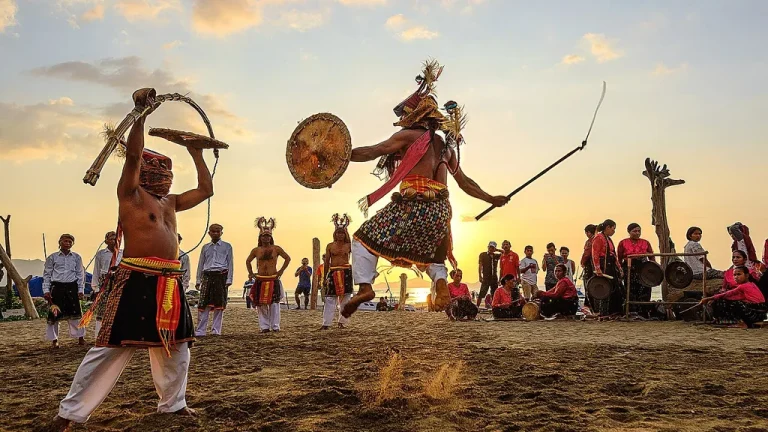
Flores Festivals and Ceremonies Calendar
Flores island's biggest cultural events — the Ngada highlands' Reba, the Manggarai harvest ceremony Penti, and the Portuguese-Catholic Holy Week…
11 min Read