Cancar Spider Web Rice Fields (Lingko)
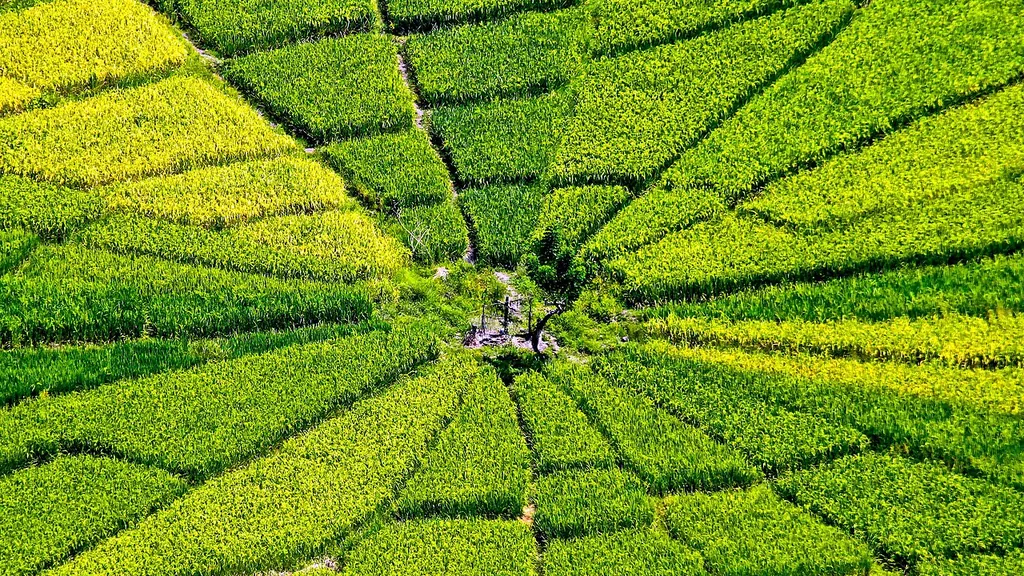
The Cancar spider-web rice fields near Ruteng are communal Manggarai farmland called lingko, laid out in a circular wheel-spoke pattern from a sacred center point (the lodok) outward into wedge-shaped family plots — a visible record of traditional land allocation, reachable from Ruteng by a short drive followed by a modest uphill walk to the viewpoint.
What Is the Lingko Spider-Web Rice Field System?
A lingko is a circular communal rice field belonging to a Manggarai clan, divided outward from a central ceremonial point called the lodok into wedge-shaped segments called moso, one per family. Traditionally, a customary elder allocated each family’s segment according to factors like clan lineage, family size, and social standing within the community — the resulting pattern of triangular slices radiating from a single center is what gives the fields their unmistakable spider-web appearance when viewed from above. This isn’t a design built for tourists or photographs; it’s a functioning land-tenure system that predates the drone shots that made it famous, and the plots are still farmed by the families who hold rights to them.
Where Exactly Are the Cancar Rice Fields, and How Do You Get There?
The best-known viewpoint sits near Cancar village, roughly 15–20 kilometers from Ruteng along the Trans-Flores highway — figures vary slightly by source, so treat this as a general range rather than an exact number. The drive from Ruteng takes roughly 30–45 minutes on the mountain road, followed by a short uphill walk to the hillside viewpoint that gives the clearest overhead angle on the wheel pattern below. This makes it an easy add-on for anyone already travelling the west-to-east overland route between Labuan Bajo and Bajawa or Ende, rather than a destination requiring a special detour. See our family tour packages or private driver pages if you’d like it built into a wider Ruteng-area itinerary.
What Is Ruteng Like as a Base for This Visit?
Ruteng, the Manggarai regency’s hill town, sits at a cooler highland elevation than coastal Labuan Bajo and makes a practical overnight stop between the coast and central Flores. Beyond the spider-web fields, the town and surrounding area hold several other traditional Manggarai villages and colonial-era churches worth a short stop if you have an extra half-day. Most travelers pass through Ruteng as a one-night waypoint on the overland route rather than a multi-day base, which fits the field visit neatly into a single morning or afternoon stop.
What Does the Lodok Mean Culturally?
The lodok is more than a geometric center point — it represents the founding claim of the clan to that land, and the radiating moso segments record generations of allocation according to Manggarai customary law (adat). Unlike private land title in the Western sense, moso rights were traditionally understood as use-rights tied to the community and its ongoing relationship with the land, not absolute individual ownership that could be freely sold. Visitors are seeing, in effect, a living map of a specific clan’s social structure rather than a decorative field pattern — which is part of why entering the fields themselves (rather than viewing from the hillside) without permission isn’t appropriate.
Etiquette for Visiting the Spider-Web Fields
- View from the designated hillside viewpoint rather than walking directly into planted fields, which are active farmland belonging to specific families
- A small entrance or viewpoint contribution is standard at most Flores village and viewpoint sites — bring small denomination cash
- Ask before photographing any farmers working the fields directly, the same courtesy as any village visit
- Combine the stop with a broader cultural itinerary rather than a rushed ten-minute photo stop — see our Language and Etiquette in Flores guide for wider Manggarai cultural context
Best Time of Day to Visit for Photography
Mid-morning to early afternoon generally gives the clearest overhead light on the field pattern, since the wedge divisions read most distinctly when the sun is high enough to minimize long shadows across the paddies. The fields also look different by season: vivid green during the growing months and a more golden, harvested tone afterward, so the specific look you get depends partly on when in the agricultural calendar you visit rather than only the time of day. Since this stop typically slots into a longer overland driving day rather than being planned around light conditions specifically, treat a good photo as a bonus of good timing rather than something to build a whole day around.
Is Cancar the Only Lingko Field in Flores?
No — the lingko system is used across traditional Manggarai territory in western Flores, and other villages maintain similar circular field patterns of their own. Cancar is simply the best-known and most accessible example, with an established roadside viewpoint that doesn’t exist at every lingko site. Travelers with a specific interest in Manggarai land customs beyond the standard photo stop can ask a local guide about other lingko villages along the route, though these typically lack Cancar’s easy viewpoint access and require more advance arrangement.
Are There Other Traditional Markets or Villages Worth Visiting Near Ruteng?
Ruteng’s regular market days are a genuine, unstaged window into Manggarai daily life — highland produce, woven textiles, and local coffee are traded much as they would be without any tourist visits at all. Several traditional Manggarai villages in the wider Ruteng area maintain customary houses and adat structures similar in spirit to the more famous Wae Rebo, without Wae Rebo’s multi-hour trek requirement, making them a lower-effort way to see comparable architecture and community life if a full Wae Rebo visit doesn’t fit your schedule.
How Does This Fit Into a Wider Flores Route?
The spider-web fields sit almost exactly on the standard west-to-east overland corridor, which is why nearly every multi-day Flores itinerary that includes Ruteng builds in a stop here without adding meaningful extra driving time. Pairing it with a visit to the local market, a highland coffee stop, or an overnight before continuing to Bajawa makes for a fuller, more satisfying day than a drive-by photo stop. Our Trans-Flores highway road trip planner shows exactly where Cancar and Ruteng fit into the broader route.
How far are the Cancar rice fields from Ruteng?
Roughly 15–20 kilometers, about a 30–45 minute drive along the Trans-Flores highway, followed by a short uphill walk to the main hillside viewpoint.
Can you walk into the spider-web rice fields themselves?
The fields are active farmland belonging to specific families, so visitors view them from a designated hillside viewpoint rather than walking directly into planted plots.
Is Cancar worth visiting if I’m not staying overnight in Ruteng?
Yes — it sits directly on the standard overland route between Labuan Bajo and central Flores, so it fits as a short stop even on a pass-through day rather than requiring a dedicated visit.
Is there an entrance fee for the Cancar spider-web rice fields?
A small local viewpoint or village contribution is standard practice, similar to most Flores village and viewpoint stops — bring small denomination cash rather than expecting a fixed, signed ticket price.
How long does a visit to the spider-web rice fields take?
Most visitors spend 20–30 minutes at the viewpoint, including the short uphill walk — enough time to take in the pattern and photograph it without needing to build a half-day around the stop on its own.
A last cultural note worth carrying with you past the viewpoint: the lingko pattern you photograph from the hillside represents real, ongoing family livelihoods below it — a detail that tends to change how the whole view lands once a visitor actually understands what they are looking at from the hillside above.
Last updated: August 26, 2026.
Komodo Luxury’s Labuan Bajo tour desk is where planning turns into a booking, and the Cancar viewpoint detail above sits ahead of that.
This site is published by Flores Island Travel, part of Juara Holding Group, which has run travel operations from Bali since 2015 — context worth having when you read the Cancar viewpoint detail above. To build the Cancar rice fields into your overland route, message WhatsApp at +62 811-3810-8110 or email sales@komodoluxury.com.
Related reading
The booking side of this sits with deluxe boat charter, not with this page. Once the Cancar viewpoint detail above is settled, the booking itself is handled by luxury cruises across Indonesia or luxury yacht charters across Indonesia.
What to Expect at the Cancar Spider Web Fields Viewpoint
The fields are best appreciated from the marked viewpoint on a hillside above Cancar village, a short drive west of Ruteng. The walk up is short but can be slippery after rain, so shoes with grip are recommended. From the top the whole pattern opens out at once. This is the vantage point behind almost every photograph you have seen of the Cancar spider-web fields.
Morning offers the clearest light, but late afternoon brings longer shadows that enhance the relief between wedges. Avoid midday when light is harsh and colours flatten. Use a zoom lens if you want to isolate details of the wedge boundaries or capture farmers working below, while a wider lens is ideal for the full wheel effect. Overcast weather can work in your favour, helping balance the contrast between the green of new rice and darker earth sections.
Directions from Ruteng are straightforward—follow the main Trans-Flores road west toward Cancar, then look for signs to the viewpoint car park. If you self-drive, note that the final access road is steep and narrow; local ojek (motorbike taxis) wait at the turn-off for those preferring not to walk. The approach is the same for everyone, though private drivers can often negotiate a drop-off closer to the entrance.
While the spider-web fields are the most famous local sight, Ruteng has more to offer: the market at Ruteng for local produce, the Liang Bua cave with its archaeological finds, or a walk around the cathedral and colonial-era buildings. Each adds broader context to the Manggarai region and rounds out a visit beyond just the rice fields.
Frequently Asked Questions
Where to stay in Ruteng for spider rice fields?
Stay in Ruteng town itself for easiest access to the Cancar spider web rice fields. Most guesthouses and small hotels are concentrated near the centre or along the main road toward Cancar. It takes roughly 30–45 minutes by car or ojek from Ruteng accommodation to the viewpoint, making an early start for sunrise photography straightforward.
Is the Cancar spider web rice fields viewpoint Ruteng Flores accessible all year?
Yes, the viewpoint is open year-round, but field colours change with the season. December to March brings lush green growth, while after harvest, usually May to July, plots appear brown or golden. Some paths get muddy during the wettest months, so check road conditions if driving yourself.
Are there toilets or facilities at the Cancar spider web fields viewpoint?
Basic facilities are available at the main viewpoint entrance, including public toilets and a small shelter. There is often a local vendor selling snacks and drinks, but no formal café. Expect to pay a modest parking or entrance fee, and bring water especially if hiking further around Cancar.
What camera gear is best for Flores island rice fields photography?
A wide-angle lens (16–35mm range) captures the full spider-web pattern, while a moderate zoom (70–200mm) is useful for isolating details or people in the fields. A polarising filter helps manage glare in midday sun. Drones are possible with caution, but check local regulations before flying.
Keep reading
More from the journal
-
Culture & Villages
What to Eat in Flores: Local Food Guide
Reading the food rundown costs nothing; booking it happens at Komodo Luxury. Planning stops here. The Komodo Luxury side takes…
3 min Read -
Culture & Villages
Volunteering and Giving Back in Flores
Real, verifiable conservation work is underway around Labuan Bajo — Coral Guardian and local NGO WES have restored reefs near…
9 min Read -
Culture & Villages
Flores Festivals and Ceremonies Calendar
Flores island's biggest cultural events — the Ngada highlands' Reba, the Manggarai harvest ceremony Penti, and the Portuguese-Catholic Holy Week…
11 min Read