
Flores Coffee: Bajawa and Manggarai Origins
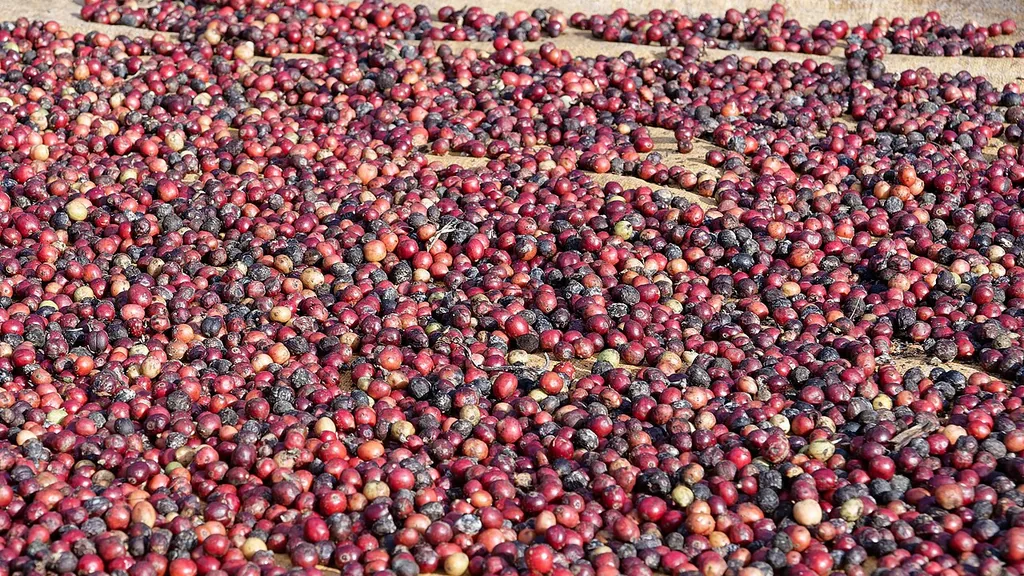
Flores produces two distinct coffee traditions: Bajawa in the Ngada highlands grows mostly high-altitude Arabica on Mount Inerie’s volcanic slopes (roughly 1,200–1,700 meters), while Manggarai around Ruteng grows both Arabica and Robusta, a legacy of Dutch-era planting that began with Robusta in the early 20th century — both regions can be visited directly through small farm stops on the overland route.
What Coffee Is Grown in Bajawa?
Bajawa, in the Ngada regency’s volcanic highlands, is known for Arabica coffee grown at elevations of roughly 1,200 to 1,700 meters on the slopes around Mount Inerie — cool nights, mineral-rich volcanic soil, and altitude are the terroir factors most often credited for the region’s character. Common varieties include Typica (locally called Juria), S-795, Catimor, and Timor hybrids, most grown by smallholder farmers using largely organic, low-input methods. Marketed under names like “Arabica Flores Bajawa,” the coffee is often processed by wet-hulling (a method also used in Sumatra, locally called giling basah) or fully washed, and is typically described as full-bodied with notes of dark chocolate, cocoa and tobacco, and comparatively low to medium acidity versus many Latin American origins.
What Coffee Is Grown in Manggarai?
Manggarai, the western Flores regency around Ruteng, grows both Arabica and Robusta — a mix that traces back to Dutch colonial-era planting, with Robusta introduced first (commonly dated to around 1911) and Arabica varieties such as Typica/Juria and Yellow Caturra introduced later. Today, Manggarai’s smallholder coffee farms produce both types side by side, often marketed as single-origin lots: the Arabica typically leans lighter, floral and fruit-forward, while the Robusta is fuller-bodied with deeper chocolate and earthy notes. This dual heritage makes Manggarai coffee distinct from Bajawa’s Arabica-dominant profile, even though the two regions sit relatively close together on the same island.
Bajawa vs Manggarai Coffee — What’s the Difference in the Cup?
| Bajawa (Ngada) | Manggarai (Ruteng area) | |
|---|---|---|
| Dominant type | Arabica | Both Arabica and Robusta |
| Elevation | Roughly 1,200–1,700 m (Mount Inerie slopes) | Varies by farm; western Flores highlands |
| Typical processing | Wet-hulled or fully washed | Varies by farmer and lot |
| Typical profile | Full-bodied, chocolate and tobacco notes, low-medium acidity | Arabica: floral/fruity; Robusta: deep, earthy, chocolatey |
Can You Visit a Coffee Farm in Flores?
Yes — small farm visits are one of the more genuine, less staged cultural stops available on the overland route, since coffee is a real smallholder livelihood in both regions rather than a tourism product built from scratch. Visits typically involve walking through a working plot with the farmer or a local guide, seeing the processing method used on that specific farm, and often buying beans or ground coffee directly — this is frequently the freshest and most traceable way to buy Flores coffee, well ahead of what reaches export channels. Bajawa farm visits pair naturally with a stop at the nearby hot springs; Manggarai visits fit easily around a Ruteng overnight alongside the Cancar spider-web rice fields.
How Is Flores Coffee Different From Bali or Sumatra Coffee?
Indonesia’s better-known coffee origins — Sumatra’s Mandheling and Gayo, Bali’s Kintamani Arabica — have longer-established international marketing and larger production volumes. Flores coffee, particularly Bajawa’s Arabica, is comparatively under-the-radar internationally despite comparable volcanic-highland growing conditions, which specialty buyers increasingly point to as part of its appeal: smaller lots, more traceable smallholder origin, and a flavor profile distinct from Sumatra’s more classically earthy, low-acid cup.
Where to Buy Flores Coffee
Local markets in Ruteng and Bajawa sell coffee directly from smallholder producers, usually at better prices and fresher roast dates than packaged coffee found in Labuan Bajo souvenir shops, though the trade-off is less consistent labeling of variety and processing method. Labuan Bajo cafés and a small number of specialty shops stock roasted Bajawa and Manggarai coffee for travelers who won’t be passing through the highlands themselves. If a farm visit is part of your itinerary, buying directly from the farmer is both the most traceable option and a way to put money directly into the smallholder economy rather than a middleman margin.
Coffee Culture in Labuan Bajo
Labuan Bajo’s café scene has grown alongside its tourism industry, and a handful of specialty-focused cafés now roast and serve Flores-origin beans specifically, rather than generic Indonesian blends — a reasonable way to sample Bajawa or Manggarai coffee properly brewed if a highland farm visit isn’t part of your itinerary. Asking a café directly whether their beans are Flores-origin (rather than assuming) is worthwhile, since not every menu makes this clear.
What to Look for When Buying Flores Coffee
- Origin labeling — look for a specific region (Bajawa, Manggarai/Ruteng) rather than a generic “Flores blend,” which tells you less about what you’re actually getting
- Roast date — coffee bought directly from a farm or a local roaster is often fresher than packaged coffee that’s sat in a souvenir shop for months
- Processing method, if stated — wet-hulled (giling basah) versus fully washed produces a noticeably different cup, worth knowing if you have a preference
- Whole bean vs ground — whole beans travel and keep better if you’re buying coffee to bring home rather than to drink immediately
How Does a Coffee Stop Fit Into a Flores Overland Route?
Both Bajawa and Ruteng sit directly on the standard west-to-east Trans-Flores route, so a coffee farm stop adds relatively little extra travel time to an itinerary that already includes those towns. It works well paired with the Cancar rice fields (Ruteng-area) or the Bajawa hot springs (Ngada-area) as part of the same overland day, rather than requiring a dedicated detour. See our private driver and car hire page if you want a coffee farm stop added to a custom route.
What coffee is grown in Bajawa, Flores?
Mostly Arabica, grown at roughly 1,200–1,700 meters on the volcanic slopes around Mount Inerie, including Typica (Juria), S-795, Catimor and Timor hybrid varieties, typically wet-hulled or washed and known for a full-bodied, low-to-medium-acidity cup with chocolate and tobacco notes.
Is Flores coffee available to buy outside Indonesia?
Limited amounts reach specialty coffee retailers internationally, but Flores origin coffee is far more consistently available, fresher, and cheaper when bought directly in Bajawa, Manggarai or Labuan Bajo than sourced abroad, since it hasn’t traveled through export and distribution margins.
Whichever region’s beans you end up with, buying close to the source remains the most reliable way to know exactly what you are drinking.
Last updated: August 26, 2026.
The coffee-origin section here is written to be used without booking anything, but travellers who would rather not self-manage it can start at Komodo Luxury’s Labuan Bajo tour desk.
This site is published by Flores Island Travel, part of Juara Holding Group, which has run travel operations from Bali since 2015 — context worth having when you read the coffee-origin section here. To add a coffee farm stop to your Ruteng or Bajawa route, message WhatsApp at +62 811-3810-8110 or email sales@komodoluxury.com.
Related reading
For a different way of doing the same trip, see Komodo Luxury’s own FAQ. Once the plan is settled it goes to Komodo boat tours — or to the Komodo liveaboard listing, if you want it built differently.
Beyond the Beans: Exploring Flores Coffee on the Ground
For many travellers, sampling local brews is high on the list of Flores souvenirs to buy, yet few realise just how strongly coffee is woven into the island’s daily life and culture. The legacy of Dutch planting schemes is still evident in both the patchwork of smallholder plots and the enduring community rituals around the drink. Anyone interested in tracing Flores island coffee origins can do so directly, as farm visits are increasingly possible without the trappings of mass tourism—especially in Bajawa or Manggarai, where family-run operations welcome visitors for simple tastings and in-season harvesting (May to August) on real working land.
A visit to a coffee farm offers more than just a cup: you might see families sun-drying parchment, hand-sorting beans, or even roasting on open wood fires. These experiences are best arranged locally through guides in Bajawa or Ruteng, who translate and help navigate the village etiquette. For those seeking a deeper dive, a dedicated guide can structure a route from Bajawa to Ruteng, combining stops at several arabica plantations with tastings at roadside stalls or simple village kiosks—ideal for those who want context to go with each cup.
Organised coffee-and-culture tours are limited but growing, often mixing coffee stops with other local food and craft workshops. These usually prioritise farms using traditional or semi-organic methods, and may include a visit to a cooperative collection station or small wet mill. Participants can expect practical insight into cultivation, processing and cupping, plus the chance to buy beans directly from source.
In western Flores, the cafe scene is still small, but coffee lovers will find the island’s best roasters concentrated in Labuan Bajo. While most serve mixed-origin beans, a handful highlight single-origin cups from Bajawa or Manggarai. For those set on the best coffee in Labuan Bajo, try to find venues that brew with a hand pour-over or Aeropress rather than a standard automatic machine—the difference in flavour and freshness is noticeable, and beans are often roasted in-house or sourced from local micro-roasters.
Frequently Asked Questions
Is it possible to take a Flores coffee farm visit independently?
Yes, independent visits are possible in Bajawa and Ruteng by arranging with local drivers or homestay owners. While some coffee farmers speak basic English, bringing a local guide improves access and understanding, especially during busy harvest months.
Which towns have Flores arabica coffee plantations open to visitors?
Both Bajawa (Ngada regency) and Ruteng (Manggarai) have arabica plantations open to visitors. Most welcome guests year-round, but activity peaks from harvest through post-harvest (June to October), when processing is in full swing and guided tours are easier to arrange.
Where can I find the best coffee in Labuan Bajo?
You'll find the best coffee in Labuan Bajo at a handful of independent cafes near the harbour or on the main street. Look for shops that serve locally roasted Bajawa or Manggarai beans and offer manual brewing methods, as these highlight the most distinctive regional flavours.
Keep reading
More from the journal
-
Culture & Villages
What to Eat in Flores: Local Food Guide
Reading the food rundown costs nothing; booking it happens at Komodo Luxury. Planning stops here. The Komodo Luxury side takes…
3 min Read -
Culture & Villages
Volunteering and Giving Back in Flores
Real, verifiable conservation work is underway around Labuan Bajo — Coral Guardian and local NGO WES have restored reefs near…
9 min Read -
Culture & Villages
Flores Festivals and Ceremonies Calendar
Flores island's biggest cultural events — the Ngada highlands' Reba, the Manggarai harvest ceremony Penti, and the Portuguese-Catholic Holy Week…
11 min Read