
Volunteering and Giving Back in Flores
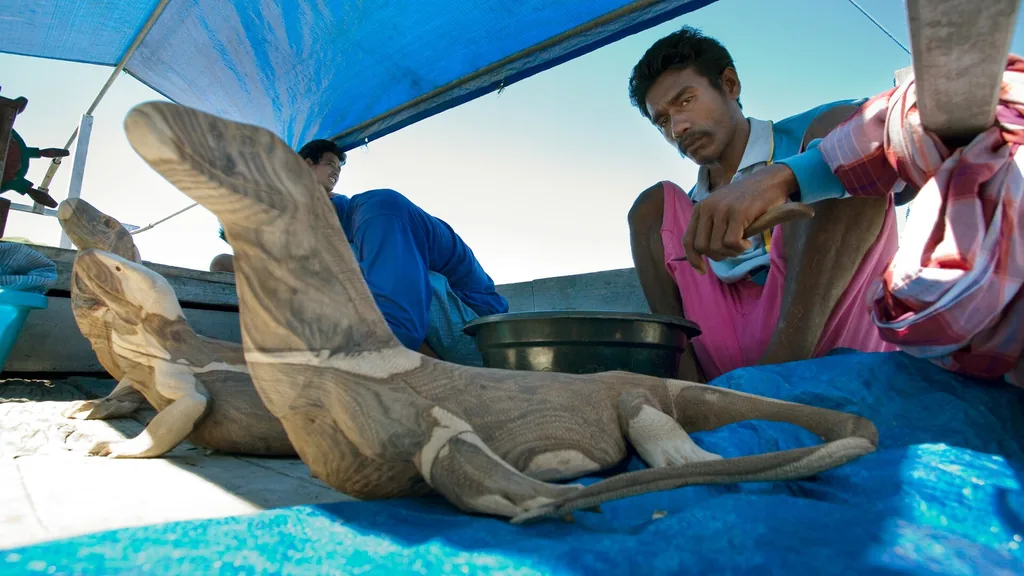
Real, verifiable conservation work is underway around Labuan Bajo — Coral Guardian and local NGO WES have restored reefs near Hatamin Island since 2015, and several resort- and university-backed coral projects launched in 2025. Avoid short-notice orphanage visits and unstructured volunteering with children — child-welfare groups have documented this as exploitative in Indonesia’s tourist regions. Evaluate any program by its track record, not its marketing.
Volunteering and Giving Back in Flores
Flores and the Komodo region attract a steady stream of travelers wanting to contribute something beyond tourist spending, and there is genuine, verifiable work happening — mostly around coral reef restoration near Labuan Bajo. There are also real ethical traps in the wider “voluntourism” space worth knowing about before you commit time or money.
Real Coral Conservation Programs Near Labuan Bajo
Several named, documented projects operate in the area as of 2025–2026:
- Coral Guardian and WES (Waka Eling Semeton) — a French marine conservation NGO working with this local Indonesian partner has restored coral reefs around Hatamin Island near Labuan Bajo since 2015, combining reef restoration with community outreach and education.
- Sudamala Resort Seraya, Yayasan Sudamala Bumi Insani, and Blue Harmony Bali — launched a coral reef conservation program around Seraya Kecil Island in November 2025, restoring the resort’s house reef using modular artificial reef structures across several hectares.
- AYANA Komodo Waecicu Beach — runs an ongoing coral restoration and marine-life education program at its house reef, reporting roughly 427 m² of reef rehabilitated and involving guests in hands-on conservation activities and marine biologist-led workshops.
- Yayasan Peduli Indonesia, CECT Trisakti University, Sirkula Indonesia, and UNESCO — carried out coral transplantation around Hanita and Messah islands in Manggarai Barat through 2025, reporting close to 8,940 coral fragments transplanted across three separate planting rounds that year.
- Tokyu Land Indonesia — reported a coral planting initiative at Pempeng Island, Labuan Bajo, in February 2025 as part of its corporate sustainability program.
- Ararat Coral Gardener Maumere — active in Teluk Maumere and East Flores since 2022, working alongside Indonesia’s Ministry of Environment and Forestry on reef restoration further east on the island.
These range from short-term voluntourism-style programs open to individual travelers to corporate and institutional projects that do not take outside volunteers directly. If a specific program interests you, contact them directly to confirm current volunteer opportunities, costs, and time commitments — offerings change year to year and what is accurate in one season may not hold the next.
What to Ask Before Joining a Volunteer Program
Not every “conservation” or “voluntourism” listing in Labuan Bajo has the track record above. Before paying for a program, ask directly: How long has this specific project operated, and can you point to a named local partner organization? What happens to the coral or infrastructure after volunteers leave — is there ongoing monitoring, or does the project depend entirely on a rotating stream of paying visitors? Is your labor and fee actually needed for the stated conservation outcome, or is the program primarily structured around the paying-volunteer experience itself? Programs with a genuine, multi-year local partnership (like Coral Guardian’s work with WES since 2015) tend to answer these questions clearly and specifically; vaguer answers are a signal to look further.
Community and Development Volunteering
Beyond marine conservation, some programs focus on community development work in villages around Labuan Bajo — for example, short-term programs based on Pulau Seraya in Manggarai Barat combining community projects with environmental activities. As with coral programs, verify the specific organization’s track record and local partnerships directly rather than relying on a polished website alone; community development work is harder for an outside traveler to evaluate than a visible reef restoration site, which makes due diligence more important, not less.
Ethical Warning: Orphanage Tourism and Volunteering With Children
Indonesia’s tourist regions, documented most extensively in Bali, have a well-established problem with orphanage tourism: facilities that present themselves as child-welfare institutions but function as profit-oriented businesses, often housing children who are not actually orphans, with poverty staged to attract donations and volunteer fees that benefit operators rather than children. Children in these facilities are frequently presented to tour groups and photographed, often without meaningful consent, despite the documented risks — including long-term privacy and safety concerns as images circulate online.
This pattern has been most thoroughly documented in Bali specifically, and there is no verified evidence in the material available for this guide of the same scale of orphanage tourism operating in Flores. That absence of documentation is not the same as a clean bill of health — the safest approach anywhere in Indonesia, including Flores and Komodo, is to avoid short-term visits or volunteering at residential childcare institutions altogether, and to never photograph children in institutional care or vulnerable situations without clear, informed consent from a responsible adult with genuine authority to give it.
How to Choose a Genuinely Useful Program
The most defensible volunteering in Flores right now runs through named, multi-year coral and marine conservation partnerships with a track record you can independently verify — Coral Guardian’s decade-long work with WES is the clearest example. If a program cannot point to a specific local partner organization, a multi-year history, or a clear explanation of what happens after you leave, treat it as an ordinary paid tourist activity rather than meaningful conservation work, and choose accordingly.
Time Commitment and Cost Expectations
Where individual travelers can join, coral restoration programs in the Labuan Bajo area typically run from a few days up to two or three weeks, combining basic dive or snorkel training with actual reef-planting or monitoring work under supervision. Costs vary widely by program length and what is included (accommodation, meals, dive gear), and a program’s price alone tells you very little about its conservation value — a longer-running, well-documented project can reasonably charge more than a newer, less-established one, and the reverse is also true. Treat cost as a logistics question to plan around, not a proxy for legitimacy.
Loose Ends Worth Answering
Are there real coral conservation volunteer programs in Labuan Bajo?
Yes — Coral Guardian’s partnership with local NGO WES near Hatamin Island has operated since 2015, and several resort- and university-backed coral restoration projects launched or expanded in 2025 around Labuan Bajo.
Should I visit an orphanage while traveling in Flores?
No. Orphanage tourism has been documented as exploitative in Indonesia’s tourist regions, most extensively in Bali, and the safest practice anywhere in the country is to avoid residential childcare institution visits and unstructured volunteering with children entirely.
How do I verify a volunteering program is legitimate before paying?
Ask for a named local partner organization, evidence of multi-year operation, and a clear explanation of what happens to the project’s outcomes after volunteers leave — vague or evasive answers to these specific questions are a warning sign.
Is coral restoration volunteering effective, or just a paid experience?
It depends entirely on the specific program’s structure and partnerships — long-running efforts with named local NGO partners and independent monitoring, like Coral Guardian and WES, differ meaningfully from short-term programs built primarily around the volunteer experience itself.
Plan responsibly: see our Flores sustainable tourism progress report for more dated, sourced initiatives, or check the FAQ — floresislandtravel.com for general trip planning.
Volunteer placements are arranged directly with the organisations named above; the travel around them — transfers, park days and boat time between commitments — is a separate booking made through Komodo Luxury’s Labuan Bajo tours.
Booking questions — deposits, cancellation terms and what is included on board — are answered on Komodo Luxury’s own FAQ. The daylight-hours version of the trip is at Komodo boat tours. Trips that run beyond a single day are collected at the Komodo liveaboard fleet. Overnight Komodo formats sit at Komodo liveaboard cabins.
Types of Volunteering Roles Available Across Flores
Most volunteering programmes on the island focus on marine and environmental conservation, but there are a handful of grassroots initiatives in community health, education, and land-based ecosystem restoration. The volunteering that is genuinely open to visitors centres on coral transplantation, beach clean-ups and running awareness workshops—these are typically hosted in and around Labuan Bajo, but Maumere and Larantuka also see seasonal activity, especially during the dry season from April to November.
Ethical volunteering in Labuan Bajo is increasingly scrutinised by both local NGOs and visiting experts. Programmes that provide real conservation benefit tend to operate with clear goals, transparent reporting, and usually a partnership with either universities or long-standing community groups. Short stints—less than a week—rarely allow for meaningful contributions beyond manual labour or fundraising, so expect longer minimum commitments for more technical tasks, such as data collection or leading workshops.
Volunteering outside of reef work generally involves supporting established village co-operatives, language exchanges, or environmental education in schools. These require some Indonesian language skills or a background in cross-cultural facilitation. Very few placements include accommodation or meals; most expect volunteers to arrange their own and to contribute a small fee to cover supervision and materials. Rural placements may have intermittent transport and patchy internet, so practical flexibility is essential.
Applicants are usually screened for relevant skills, references, and a clear statement of motivation, rather than just ability to pay. Legitimate organisations will not guarantee volunteer places on the spot, and should provide written details of the role, expected impact, and supervision. Always confirm dates, insurance needs, and what previous volunteers have achieved before committing to any program.
More Questions Answered
What are the busiest months for volunteering in Flores?
June through September see the highest demand for volunteers, as coral spawning and clean sea conditions coincide with school holidays in Europe and the Americas. Some NGOs suspend or scale down intake during the wet season (December–March) due to rough seas and limited access to field sites.
Are Flores island volunteering programs suitable for beginners?
Yes, some roles—such as beach clean-ups or basic coral planting—are open to those with no prior experience. More technical placements, like reef monitoring or teaching, require specific skills or certifications. Most programs require a minimum age of 18 and good physical fitness.
What are the medical requirements for volunteering in Flores Indonesia?
A basic medical check-up and up-to-date vaccinations (hepatitis A/B, typhoid, tetanus) are typically required for placements involving fieldwork. Some marine roles, such as diving-based coral projects, will insist on an internationally recognised diving qualification and proof of dive insurance valid in Indonesia.
How can I find ethical volunteering Labuan Bajo projects?
Look for projects with transparent objectives, published impact reports, and long-term partnerships with Indonesian organisations. Verify their registration and reputation with local authorities or international conservation networks. Genuine operations offer clear supervision structures and detailed role descriptions, not just paid volunteering experiences.
Keep reading
More from the journal
-
Culture & Villages
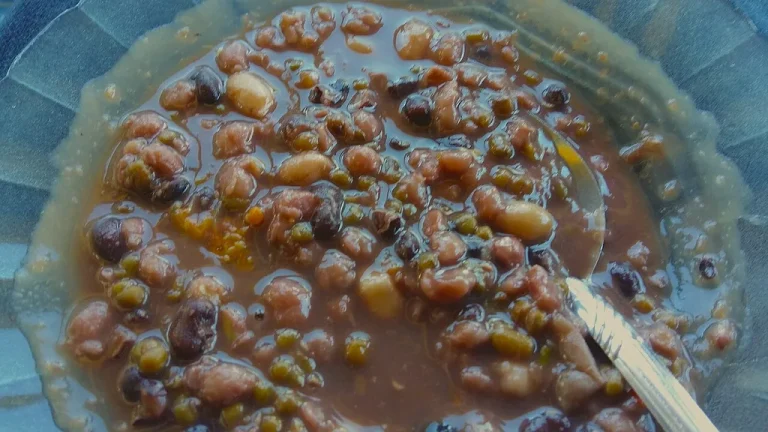
What to Eat in Flores: Local Food Guide
Reading the food rundown costs nothing; booking it happens at Komodo Luxury. Planning stops here. The Komodo Luxury side takes…
3 min Read -
Culture & Villages
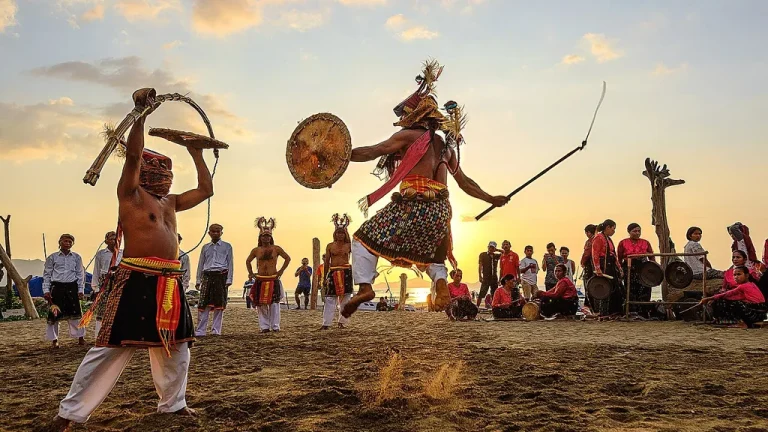
Flores Festivals and Ceremonies Calendar
Flores island's biggest cultural events — the Ngada highlands' Reba, the Manggarai harvest ceremony Penti, and the Portuguese-Catholic Holy Week…
11 min Read -
Culture & Villages
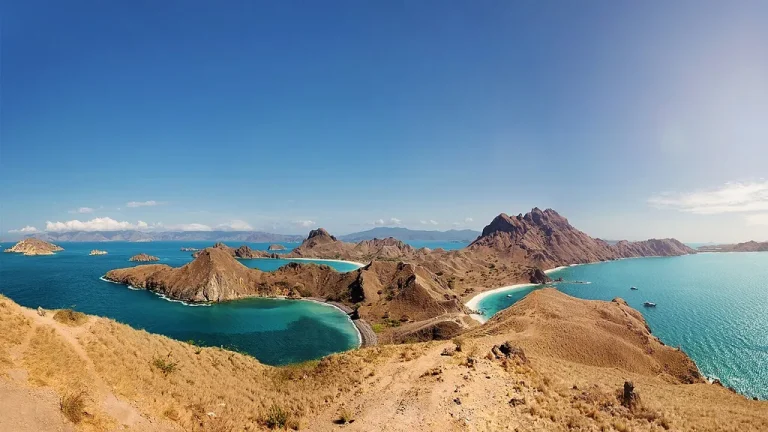
Photography Spots Across Flores and Komodo
The strongest photography locations across Flores and Komodo are Padar Island's viewpoint at sunrise, Kelimutu's tri-colored crater lakes at first…
11 min Read