Accessible Travel in Flores and Komodo
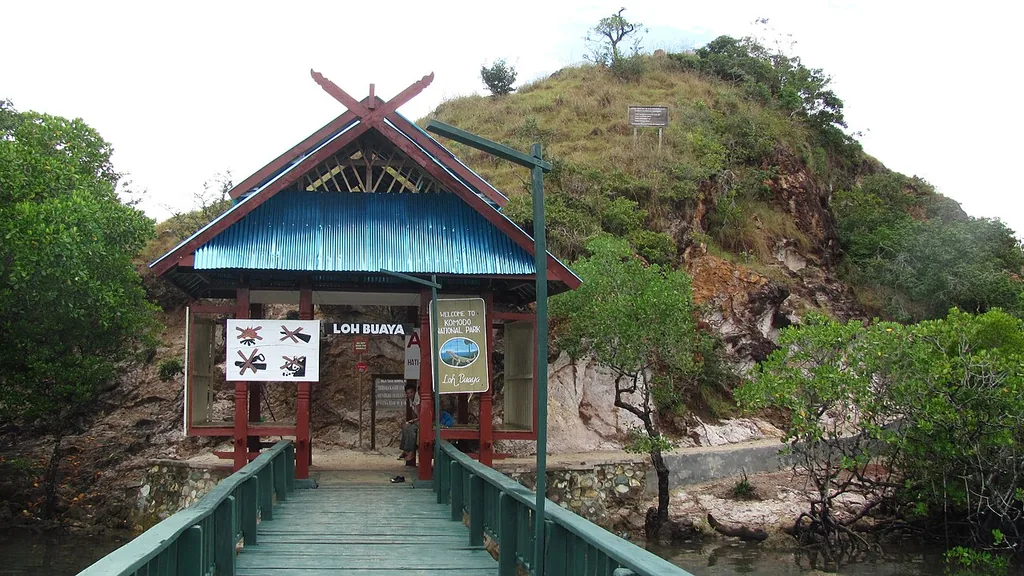
Flores and Komodo National Park are genuinely difficult for wheelchair users and travelers with significant mobility limitations — boat boarding is usually by gangplank or ladder, Padar’s viewpoint requires a steep unpaved climb, and most hotels outside a handful of newer Labuan Bajo properties lack ramps or elevators. This page is an honest assessment of what is and is not realistically accessible, not a claim that the destination is broadly wheelchair-friendly, because that claim would not be true.
Is Komodo National Park Wheelchair Accessible?
Largely, no. Boat boarding at Labuan Bajo’s harbor and at park landing points typically involves stepping across a gangplank or narrow ladder between boat and shore, often with no ramp, and this is a fixed physical constraint of small-boat harbor infrastructure rather than something a tour operator can simply arrange around. The walking trail to Padar’s viewpoint is a steep, unpaved climb of roughly 30–45 minutes each way with uneven steps cut into the hillside — not passable by wheelchair and difficult even for travelers with moderate mobility limitations or significant fatigue issues. Rinca and Komodo Island’s dragon-viewing walks follow flatter but still unpaved, sometimes rocky ranger trails.
None of this means travelers with mobility limitations cannot experience the region at all — a boat trip that stays aboard for viewing rather than landing at every stop, or that substitutes Manta Point snorkeling (which does not require a shore landing) for a Padar hike, is a realistic way to adjust the day rather than skip the region entirely. Discuss your specific mobility needs directly with your boat operator before booking so the itinerary can be built around what is actually workable, rather than discovering a hard limitation mid-trip.
What About Wae Rebo and Other Village Visits?
Wae Rebo requires a multi-hour uphill trek on a forest trail to reach the village — this is not accessible for wheelchair users or travelers with significant mobility limitations under any realistic arrangement, since there is no vehicle or alternate access route. Bena and other Ngada villages near Bajawa are somewhat more accessible, reached by vehicle with shorter walking sections once you arrive, though village terrain itself is often unpaved and uneven. If village culture matters to your trip but a long trek does not fit your mobility, Bena is the more realistic choice over Wae Rebo.
Are Flores Hotels Accessible?
Accessibility varies significantly and is not something we can generalize as good or bad for the destination as a whole — a small number of newer, higher-end Labuan Bajo properties have made real accessibility investments (ground-floor rooms, step-free paths, accessible bathrooms), while many mid-range and budget guesthouses, including some otherwise excellent ones, have stairs with no lift, uneven pathways, and bathrooms not built for a wheelchair or walker. If accessibility is a hard requirement, confirm specifics directly with the hotel — step count to the room, bathroom door width, whether “accessible room” claims have actually been verified by another wheelchair-using guest — rather than trusting a general accessibility badge on a booking site, since standards and honesty about them vary.
Is Flores Suitable for Elderly Travelers?
Flores can work well for older travelers who choose their itinerary deliberately: a private driver rather than long shared bus travel, a slower overland pace with fewer driving hours per day, hotels with ground-floor or elevator access confirmed in advance, and a Komodo boat day built around gentler viewpoints and swim stops rather than the Padar climb. The Trans-Flores highway’s mountain roads and the number of driving hours between towns are the two factors that most often catch older travelers off guard if not planned for — see our Flores distances and driving times guide for realistic hour estimates before setting a day-by-day pace.
Can Children Visit Komodo National Park?
Yes, and Komodo trips are commonly done as family travel, though the same physical realities apply: gangplank boat boarding, the Padar climb, and full-day boat trips in sun and heat are real considerations for young children specifically. Families often choose a calmer itinerary — shorter boat days, more swim time, skipping the Padar hike in favor of Pink Beach and a gentler Rinca or Komodo dragon walk — rather than the more demanding full itinerary built for able-bodied adult travelers. Life jackets sized for children should be confirmed with your boat operator in advance rather than assumed.
What Medical Facilities Exist in Labuan Bajo and Flores?
Labuan Bajo has a public hospital (RSUD Komodo) along with several private clinics, covering routine and moderate medical needs; more serious or specialized emergencies are generally evacuated to Bali or, in the most serious cases, Makassar or Jakarta, since Flores does not have the specialist hospital capacity of a major Indonesian city. This gap is the core reason travel insurance with medical evacuation coverage is a genuinely important purchase for a Flores or Komodo trip, not a routine upsell — a medevac from Labuan Bajo is a real, costly logistics operation if something goes seriously wrong, and insurance is what stands between you and paying for that directly.
What Travel Insurance Should Mobility-Limited or Older Travelers Carry?
At minimum: medical evacuation coverage given the limited specialist care on Flores itself, and explicit confirmation that your policy covers your planned activities (boat travel, any water activity, any trekking) rather than excluding them by default. If you have a pre-existing condition, disclose it to your insurer before buying rather than discovering an exclusion after the fact — this is standard travel insurance advice anywhere, but it carries more real weight on a trip with limited local medical infrastructure like Flores.
What Should Travelers With Mobility Limitations Ask Before Booking?
A short, direct set of questions before paying a deposit saves real disappointment later: how many steps or what kind of gangplank is used to board the boat, whether the boat has any covered shaded seating that doesn’t require moving around during the sailing, whether the itinerary can substitute a shore landing for a from-the-boat viewing, and whether the operator has handled a guest with similar mobility needs before. An operator who answers these specifically and honestly, including telling you plainly if something won’t work, is more trustworthy than one who simply says everything will be fine without addressing the specific concern.
Are There Alternatives to a Full Komodo Boat Day for Limited-Mobility Travelers?
Shorter, calmer boat outings focused on Manta Point and other from-the-water viewing, without a Padar or Rinca landing, are a realistic middle option for travelers who want to experience the park’s marine side without the physical demands of the classic full-day, multi-landing itinerary. Discuss this directly with your operator as an explicit request rather than assuming a standard package can simply be adjusted informally on the day.
Planning Overland Travel With Limited Mobility
A private driver, rather than a shared vehicle or bus, gives you direct control over rest stops, pace and which sites to actually get out of the car for versus view from the vehicle — this flexibility matters more for mobility-limited travelers on the Trans-Flores route than for most other travelers, since the route’s driving hours and rough patches are fixed regardless of who is in the car. See our private driver and car hire page for how this is arranged, and mention your specific mobility needs when booking so the route and stops can be planned around them from the start rather than adjusted awkwardly mid-trip.
Frequently Asked Questions
Can a wheelchair user visit Komodo National Park at all?
Full independent access to the park’s iconic sites (Padar’s viewpoint, Rinca and Komodo’s ranger walks) is not realistic for a wheelchair user given the boat-boarding and unpaved-trail constraints described above. A boat-based itinerary that emphasizes viewing from the water and swimming stops like Manta Point, discussed and confirmed directly with your operator in advance, is the most realistic adjusted option.
Is there a hospital in Labuan Bajo?
Yes — RSUD Komodo is the public hospital, along with several private clinics, covering routine and moderate medical needs. Serious or specialized cases are generally evacuated to Bali or beyond, which is why medevac-inclusive travel insurance is strongly recommended.
What’s a realistic alternative to the Wae Rebo trek for travelers who can’t hike?
Bena village near Bajawa offers a vehicle-accessible alternative with shorter walking sections, giving a genuine sense of traditional Ngada highland culture without the multi-hour trek Wae Rebo requires.
Should older travelers avoid self-driving the Trans-Flores highway?
We would recommend a private driver over self-driving for the full overland route regardless of age, given the mountain roads and long driving hours involved — see our scooter and self-drive guide for the fuller road-conditions picture.
Plan an Accessible-as-Possible Flores Trip
Tell Komodo Luxury your specific mobility needs, age considerations or any concerns for your group, and they will build a realistic itinerary and flag anywhere in the plan that genuinely won’t work rather than promising more than the destination can deliver. See our private Flores tours page for tailor-made planning, or message Komodo Luxury directly.
Last updated: August 26, 2026.
Nothing in the accessibility assessment above books a trip: that part runs through Komodo Luxury’s Labuan Bajo tour desk.
Access on a boat comes down to details an operator has to confirm in writing: how you get from jetty to deck, where the bathroom is and how wide its door is. Those terms are published at Komodo Luxury’s own FAQ. Day formats, where you are aboard for six or seven hours at a stretch, are at Komodo boat tours. A multi-night cabin removes the daily tender transfers altogether, and those are at Komodo liveaboard cabins.
Practical Itineraries and Transport for Accessible Travel in Flores and Komodo
Building a realistic plan for Flores and Komodo with accessibility in mind means assessing both the overland and the sea legs carefully. Most public transport, including buses and shared cars, is not accessible for wheelchairs or for anyone with significant mobility needs. Instead, hiring a private vehicle and driver is the most practical solution for accessible transport on Flores, as you can request assistance and more frequent stops as needed. Some Labuan Bajo travel agencies offer senior accessible tours Flores using private vehicles, though advance booking is essential.
Doing Komodo cheaply is difficult for anyone with limited mobility. Standard group boats rarely offer accessible boarding, a usable toilet, or shaded seating. Private boat charters are more flexible and some can be arranged to avoid landings, focusing on wildlife and sea views from the deck. Discuss your requirements directly with operators, and ask specifically about wheelchair access and onboard facilities before paying a deposit.
The overland advice is simple enough: the Trans-Flores Highway is the only real artery, and it is narrow, winding and slow. If you are travelling overland between Komodo and the Flores interior, allow extra time for road conditions and request vehicles with higher ground clearance when possible, as some smaller towns have poor road maintenance and uneven parking. Booking accommodations en route? The shortlist of genuinely accessible hotels on Flores is short: a few international-brand properties in Labuan Bajo and Ende. Wheelchair friendly hotels Labuan Bajo (and wheelchair friendly hotels in Labuan Bajo) are mostly recent builds, offering lifts and ramped entrances, but these are still outnumbered by smaller guesthouses with stairs only.
Accessible travel on Flores is improving but remains inconsistent outside main tourist centres. In Labuan Bajo, the waterfront and the fish market are relatively flat. The viewpoints and the island walks are not. Flores island travel with elderly visitors is possible with careful planning; focus on car-based sightseeing and cultural stops rather than strenuous hikes. Three habits help more than anything else: confirm step-free access with the property itself rather than a booking site, carry a printed map with rest stops marked, and refuse to schedule ambitious multi-site days. Advance communication remains your strongest asset.
More Questions Answered
Is Flores island wheelchair accessible?
No, Flores Island is not broadly wheelchair accessible. Outside of a handful of larger hotels in Labuan Bajo and Ende, most public spaces and transport lack ramps or lifts. Only a few Labuan Bajo properties qualify as wheelchair friendly hotels, and pavements are limited even in town centres.
Is Komodo National Park accessible for seniors?
Partly. Seniors in good health can join most Komodo boat trips, but steep trails like Padar’s viewpoint and boat boarding ladders pose challenges. The flattest walk is on Rinca Island, but even here, trails are unpaved. Plan your visit in the dry season (April–November) for better footing.
Is it possible to travel overland across Flores?
Yes, it is possible to travel overland across Flores using the main Trans-Flores Highway. The route runs 700+ km from Labuan Bajo to Larantuka, typically taking three to five days by private car with overnight stops. Roads are winding and often slow, but vehicles can be hired with a private driver.
Where can I find Flores island accessible hotels?
Accessible hotels are concentrated in Labuan Bajo and Ende. Look for new-build hotels with lifts and level access; these are advertised as wheelchair friendly hotels in Labuan Bajo. Outside these towns, most accommodation is basic and not suitable for travelers with significant mobility restrictions.
WhatsApp +62 811-3810-8110 or email sales@komodoluxury.com.
Keep reading
More from the journal
-
Practical & Costs
Flores Travel Scams and How to Avoid Them
Most problems travelers report from Flores and Komodo trips trace back to a small number of recurring patterns — not…
10 min Read -
Practical & Costs
Travel Insurance for Flores and Komodo
Travel insurance for Flores and Komodo needs to cover three things standard policies sometimes exclude by default: scuba diving (even…
11 min Read -

Practical & Costs
SIM Cards, eSIM and Internet in Flores
Telkomsel has the widest and most reliable mobile coverage across Flores, including Labuan Bajo and the more remote stretches of…
11 min Read