
Waterfalls of Flores: Cunca Wulang and Beyond
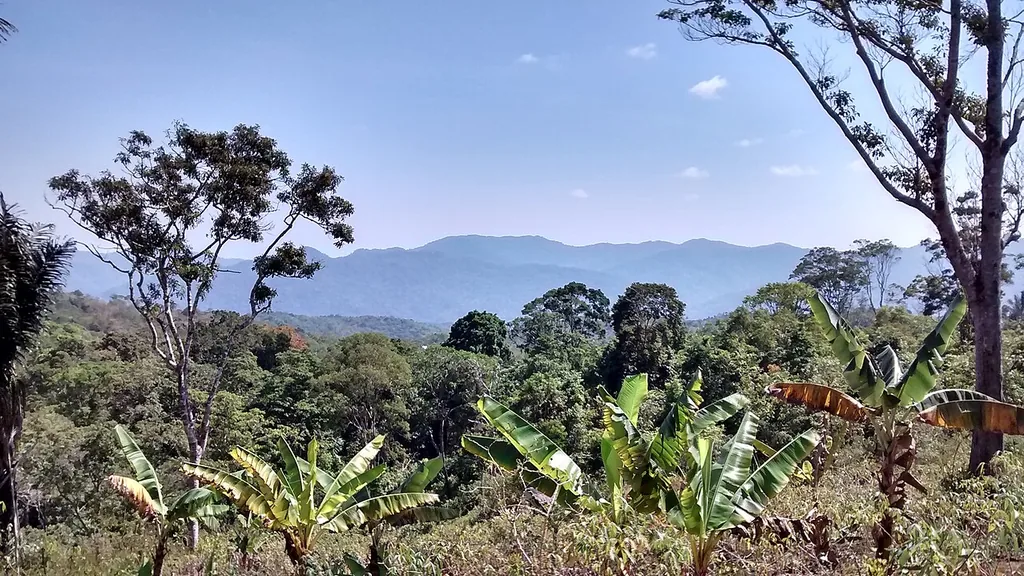
Cunca Wulang and Cunca Rami, both in West Manggarai Regency within reach of Labuan Bajo, are Flores’ two best-known waterfalls — Cunca Wulang for its canyon-and-cliff-jumping scene about 1.5–2 hours from town, Cunca Rami for a quieter, less-visited trek near Sano Nggoang. Neither requires technical experience, but both benefit from a local guide and dry-season timing. Here’s what each actually involves.
Last updated: August 26, 2026.
Cunca Wulang: The Canyon Waterfall
Cunca Wulang sits in the Mbeliling/Boleng area of West Manggarai Regency, commonly reported at roughly 25–40 km from Labuan Bajo depending on the exact route, which works out to about 1.5–2 hours by road plus a guided walk down into the canyon. What makes Cunca Wulang distinctive among Flores waterfalls is the setting: a narrow limestone canyon with turquoise pools, smooth rock walls, and — for confident swimmers — spots where local guides point out safe cliff-jumping into deeper pools. The walk in from the parking/starting point is usually described as an easy-to-moderate 30–45 minute guided descent rather than a long trek, which makes it accessible for most reasonably fit travellers without requiring dedicated hiking gear.
Reported entrance and guide fees vary by source, commonly cited somewhere in the range of IDR 20,000–50,000, sometimes bundled with a local guide fee at the trailhead. A local guide is standard practice here — the canyon has slippery rock sections and deeper pools where local knowledge of safe entry points genuinely matters, so treat the guide fee as a safety cost rather than an optional add-on, even where it isn’t strictly mandatory by rule.
Cunca Rami: The Quieter Alternative
Cunca Rami sits further into West Manggarai, commonly associated with the Sano Nggoang/Golo Ndaring area, and is generally treated as a half-day or full-day trip from Labuan Bajo — travel-time reporting here is thinner and less consistent than for Cunca Wulang, so build extra buffer into your schedule rather than assuming a fixed door-to-door time. What Cunca Rami trades for that extra travel effort is a genuinely quieter experience: far fewer visitors than Cunca Wulang, a more remote rural setting passing through villages and rice terraces on the way in, and a waterfall that feels more like a discovery than a tourist stop. Reported entrance arrangements are informal and inconsistent between sources — some describe a modest fee, others describe no formal entrance fee but an expected guide payment instead. The honest summary: expect to pay something locally for guiding and access, but don’t expect a standardized, published ticket price the way you would at a national park.
Cunca Wulang vs. Cunca Rami: Which Should You Choose?
| Factor | Cunca Wulang | Cunca Rami |
|---|---|---|
| Distance from Labuan Bajo | ~25–40 km, ~1.5–2 hours | Further; travel-time reporting is less consistent — budget a half or full day |
| Crowd level | More visited, especially in peak season | Quieter, fewer visitors |
| Highlight | Canyon setting, turquoise pools, optional cliff-jumping for confident swimmers | Remote rural approach through villages and rice terraces |
| Difficulty | Easy-to-moderate 30–45 minute guided descent | Variable; generally accessible but less standardized |
| Best for | First-time visitors wanting the classic Flores waterfall photo and swim | Travellers who’ve already done Cunca Wulang or want a quieter, off-the-beaten-path stop |
If you only have time for one, Cunca Wulang is the more established, better-documented choice for a first Flores waterfall visit. If you’re staying longer or specifically chasing quieter, less-visited spots, Cunca Rami rewards the extra effort — see our Flores trekking guide for how these waterfalls fit into a wider adventure itinerary.
Do You Need a Guide?
For Cunca Wulang, yes in practice — local guides are commonly provided or expected at the trailhead, and the canyon’s slippery rock and deeper pools make local knowledge a genuine safety factor, not just a formality. For Cunca Rami, guiding arrangements are less formalized, but the remote rural approach through villages makes local guidance similarly worthwhile, both for navigation and for the cultural courtesy of having someone from the area introduce you as you pass through. In both cases, guides are typically arranged at or near the trailhead rather than booked online in advance, though a private driver-guide arranged through a tour operator can pre-coordinate this for you if you’d rather not negotiate on arrival.
Best Time of Year to Visit Flores’ Waterfalls
April to November, the dry season, is the more reliable window for both waterfalls — water levels are typically clearer for swimming, canyon rocks are less slippery than during heavy rain, and access roads are less likely to be affected by mud or minor washouts. December to March brings higher water flow (which can look more dramatic from a photography standpoint) but also stronger currents in the pools, slipperier rock surfaces, and a higher chance a local guide advises against swimming or cliff-jumping on a given day for safety reasons — always defer to that local judgment rather than pushing to swim regardless.
What to Bring
- Quick-dry swimwear worn under your clothes, since changing facilities are informal at best
- Water shoes or sturdy sandals with grip for wet rock, rather than flip-flops
- A dry bag for your phone, wallet, and camera during the swim
- Small cash for entrance/guide fees, since card payment isn’t available at either site
- Insect repellent for the approach walk through forest or village terrain
Combining a Waterfall Stop With the Rest of Your Labuan Bajo Time
Because Cunca Wulang sits within the Mbeliling area on the way toward or back from the overland route, it’s commonly combined with a broader half-day loop rather than visited as a single standalone stop — many drivers pair it with a Cancar spider-web rice field viewpoint stop or a coffee-growing village visit along the same road, since the driving time is largely shared. Cunca Rami, being further afield near Sano Nggoang, is more often a dedicated half or full day on its own, sometimes paired with a stop at Sano Nggoang crater lake itself if your driver-guide’s route allows it. Either way, waterfalls work well as a change of pace from Komodo’s boat-heavy itinerary — a land-based, freshwater day in between sea days, which is exactly how most multi-day Flores itineraries sequence them.
How to Get There
Both waterfalls are most easily reached with a private driver from Labuan Bajo, since public transport doesn’t run directly to either trailhead and a rental scooter on unfamiliar rural roads adds real risk for a destination you’ll want to enjoy rather than navigate anxiously. Our Flores private driver and car hire page covers arranging a half-day or full-day trip to either waterfall, and many travellers combine Cunca Wulang with other Mbeliling-area stops on the way back to Labuan Bajo.
Respecting the Local Environment
Both waterfalls sit within land used and cared for by local communities, not managed park infrastructure in the way Komodo National Park is — which means the usual “leave no trace” courtesies matter even more directly here. Pack out any rubbish rather than assuming bins exist at either site, avoid using regular (non-biodegradable) soap or shampoo if you rinse off near the pools, and be mindful of noise if a guide mentions the area is also a working village water source. These are small things individually, but they’re exactly the kind of details that determine whether a lesser-visited spot like Cunca Rami stays pleasant for the next traveller who makes the same effort to get there.
Frequently Asked Questions
How far is Cunca Wulang from Labuan Bajo?
Roughly 25–40 km depending on the route, about 1.5–2 hours by road plus a guided 30–45 minute walk down into the canyon.
Is cliff-jumping at Cunca Wulang safe?
Local guides point out spots considered safe for confident swimmers, but conditions change with water level and season — always follow your guide’s judgment on the day rather than assuming it’s always available or advisable.
Do I need a guide for Cunca Wulang or Cunca Rami?
In practice, yes for both — local guides are commonly provided or expected at Cunca Wulang’s trailhead, and Cunca Rami’s more remote, informal access makes local guidance similarly worthwhile.
What’s the entrance fee for these waterfalls?
Reported figures vary — roughly IDR 20,000–50,000 at Cunca Wulang, and inconsistent informal fees or guide payments at Cunca Rami. Neither has a single standardized published ticket price; bring small cash.
Which waterfall is better for a first visit — Cunca Wulang or Cunca Rami?
Cunca Wulang is the more established, better-documented first choice. Cunca Rami suits travellers with more time who want a quieter, less-visited alternative.
Can I combine a waterfall visit with other Mbeliling-area stops?
Yes — Cunca Wulang sits along a road commonly paired with a Cancar spider-web rice field viewpoint or a local coffee village stop, since the driving time largely overlaps. Ask your driver-guide to build this into a single half-day loop.
Plan Your Waterfall Day Trip
The waterfall shortlist above will get you to a shortlist; turning it into confirmed dates happens at Komodo Luxury’s Labuan Bajo tour desk.
For the booking itself, Komodo Luxury lists Komodo boat trips, Labuan Bajo yacht rental or one-day Komodo trip packages.
Beyond the Famous Falls: Exploring Lesser-Known Waterfalls on Flores
While Cunca Wulang and Cunca Rami are staples for visitors, Flores offers a handful of less-publicised cascades worth considering, especially for those keen on wilder, less-crowded experiences. Some of the best waterfalls on Flores lie off the main tourist trail, with access routes varying from short village tracks to multi-hour hikes through forest and farmland. These hidden sites, like Cunca Lolos or Cunca Wae Rebo, often require greater effort to reach but reward adventurous travellers with solitude and unspoilt surroundings.
For those arranging a day trip from Labuan Bajo to Cunca Wulang, it is also possible to extend your journey to include nearby minor falls — though these are typically unsigned and may lack established paths. Most local drivers and guides know a handful of these side spots, which can turn a standard outing into a fuller exploration of the island’s lesser-known cascades. However, infrastructure is minimal outside the headline sites, so reliable footwear and sufficient water are essential, and heavy rain can render tracks muddy or impassable.
Flores island entrance fees for waterfalls and viewpoints are generally modest — ranging from informal donations (sometimes collected by village elders) to structured ticket booths at the more frequented falls. At less-visited locations, fees are usually lower or non-existent, but you should expect a polite request for a small contribution or for hiring a local villager as an ad-hoc guide. This system helps maintain access and supports local communities.
The main swimming spot at Cunca Wulang is marked and supervised. The smaller falls nearby are not, and the jumping people photograph there carries no oversight at all. Flores cunca wulang cliff jumping safety is dependent on water levels and local advice — and elsewhere, such activities are at your own risk. Always check current conditions: during dry season, pools at minor falls can be too shallow for safe swimming or jumping.
More Questions Answered
How to visit cunca wulang waterfall?
The simplest way to visit Cunca Wulang waterfall is by arranging a private car or joining a tour from Labuan Bajo, followed by a 30–45 minute guided walk from the official parking area. The main route is paved until the village turn-off. Be aware that rainy season makes the trail muddier and river crossings more difficult.
Which waterfalls should I visit on Flores?
Cunca Wulang and Cunca Rami are the most accessible and scenic waterfalls for first-time visitors. Cunca Wulang offers a canyon swim and cliff jump, while Cunca Rami is quieter and less developed. For the adventurous, Cunca Lolos and Cunca Wae Rebo reward longer treks with remote beauty.
Which waterfalls in Flores Island are easiest to reach?
Cunca Wulang is the easiest major waterfall to access from Labuan Bajo, at about 1.5–2 hours by car plus a short guided descent. Cunca Rami involves a longer journey and rougher roads. Smaller roadside falls exist near Ruteng and Ende, but most require a vehicle and at least a 20–30 minute walk.
Is Cunca Wulang suitable for non-swimmers?
Yes, non-swimmers can still enjoy the scenery at Cunca Wulang. The viewing platforms and rock formations provide good vantage points without entering the water. However, some parts of the trail include slippery surfaces, so basic fitness and sturdy shoes are recommended.
A private driver makes either waterfall a straightforward half-day or full-day trip from Labuan Bajo. See our private Flores tours page or send your dates on WhatsApp to wa.me/6281138108110 to build a waterfall stop into your itinerary.
Keep reading
More from the journal
-
Island Travel
Health, Vaccines and Hospitals in Flores
Flores and the Komodo/Labuan Bajo area sit in a zone the US CDC lists as malaria-risk, dengue is an ongoing…
12 min Read -

Island Travel
Grab, Gojek and Taxis in Flores
Grab and Gojek both operate in Labuan Bajo, mostly as motorbike (ojek) service rather than car rides, and are reported…
12 min Read -

Island Travel
Is Flores Safe? An Honest Risk Guide
Flores is a normal, low-drama travel destination by most measures — it does not appear in Papua-style unrest warnings from…
13 min Read