
The Impact of Climate Change on Flores Island Tourism
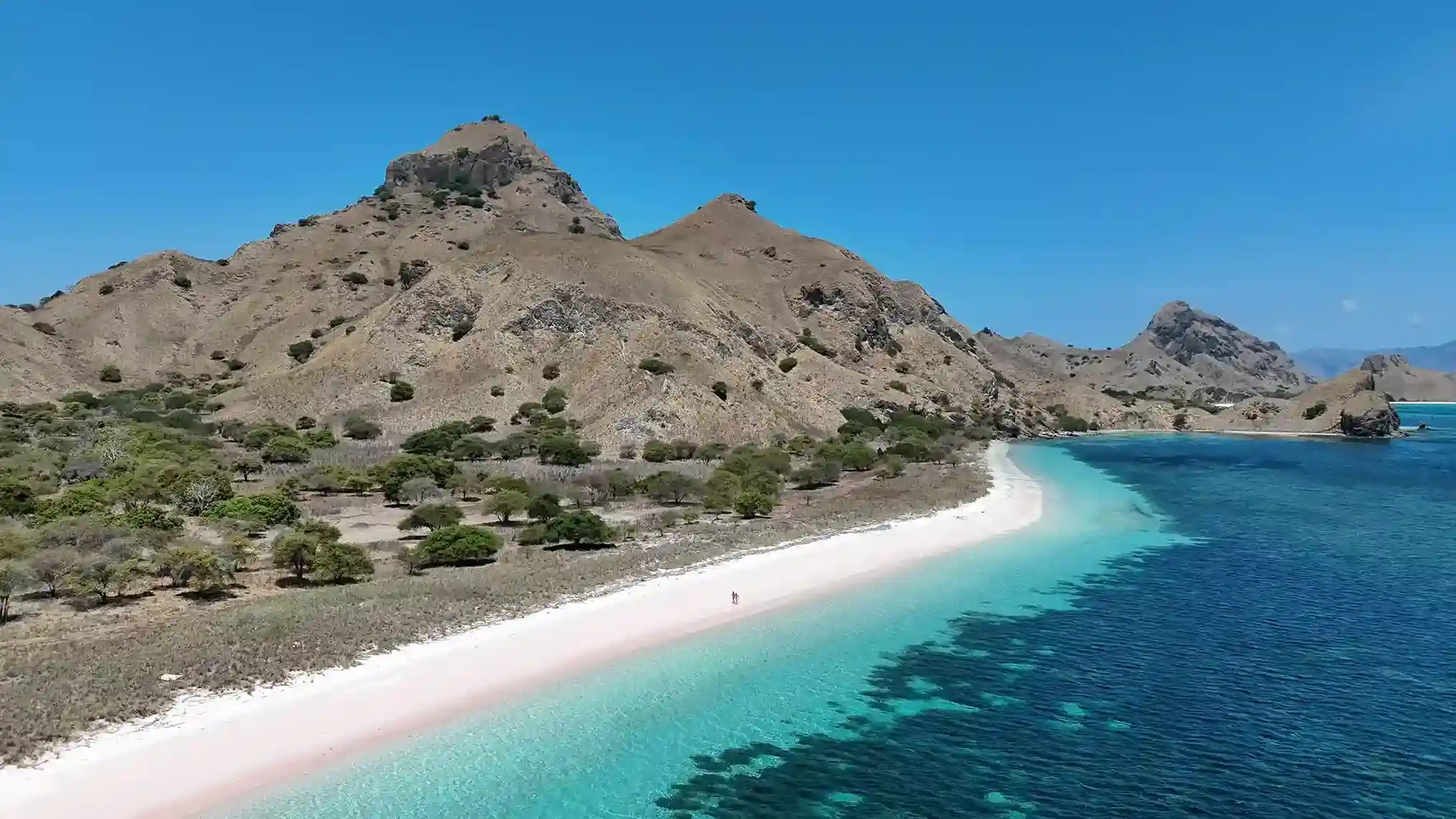
Climate change is significantly affecting Flores Island tourism by altering weather patterns, impacting natural attractions, and challenging sustainable tourism initiatives. These changes necessitate adaptive strategies to ensure the long-term viability of the island’s tourism sector.
How Climate Change is Affecting Flores Tourism
Climate change has emerged as a crucial factor influencing tourism on Flores Island. The island, renowned for its natural beauty and diverse ecosystems, faces increasing environmental challenges. These challenges threaten the integrity of its attractions, such as the iconic Komodo National Park and the picturesque crater lakes of Kelimutu.
Komodo National Park, a UNESCO World Heritage site, is particularly vulnerable. The park, known for its unique biodiversity including the famous Komodo dragons, is experiencing shifts in temperature and rainfall patterns. These changes can disrupt the breeding cycles of the dragons and other wildlife, potentially reducing the park’s appeal to tourists.
The crater lakes of Kelimutu, known for their strikingly different colours, are also at risk. Changes in rainfall and temperature can affect the mineral content and water levels of these lakes, altering their iconic hues. This could diminish their attractiveness to visitors, who are drawn to the lakes for their unique visual spectacle.
Environmental Challenges Facing Flores
Flores Island sits within the monsoon climate zone classified and monitored by BMKG, and the region experiences rising temperatures and irregular rainfall patterns, leading to more frequent and severe weather events. These changes disrupt local ecosystems, impacting biodiversity and the landscape. The bleaching of coral reefs due to increased sea temperatures affects marine life and reduces the appeal of diving sites.
The island’s average annual temperature has increased by approximately 1.5 degrees Celsius over the past few decades. This warming trend is contributing to the more frequent occurrence of extreme weather events such as cyclones and intense rainfall, which can cause flooding and landslides. These natural disasters not only threaten the safety of residents and tourists but also damage infrastructure and natural sites.
Coral reefs, which are vital for marine biodiversity and a major draw for divers, are particularly affected. Increased sea temperatures lead to coral bleaching, where corals lose their vibrant colours and essential algae — a regional pattern tracked by the Coral Triangle Initiative across Indonesia’s reef systems. Bleaching events have been observed to increase in frequency and severity over recent years, posing a significant threat to marine tourism.
Sustainability Initiatives in Flores
In response to these environmental challenges, Flores has initiated several sustainability initiatives. These include promoting eco-friendly tourism practices, investing in renewable energy, and supporting community-based conservation projects. Such efforts aim to mitigate the negative impacts of climate change, preserving the natural environment for future generations.
Eco-friendly tourism practices are being encouraged through educational programmes aimed at both tourists and local businesses. These programmes promote responsible behaviour, such as minimising waste and supporting local conservation efforts. Renewable energy projects, including solar and wind energy installations, are being developed to reduce reliance on fossil fuels.
Community-based conservation projects are gaining momentum, with local communities playing a crucial role in these initiatives. Reforestation projects, for example, are helping to combat deforestation and soil erosion, while also providing employment opportunities for local residents. These projects are essential for maintaining the island’s ecological balance and ensuring the sustainability of its tourism industry.
Adapting Tourist Attractions
Tourist attractions on Flores are adapting to the changes brought about by climate change. For instance, the management of Komodo National Park is focusing on sustainable visitor numbers and improving infrastructure to withstand extreme weather. Similarly, local communities are engaging in reforestation projects to combat deforestation and soil erosion.
The park management caps visitors at 1,000 people per day for the whole national park, divided into 3 scheduled entry sessions (plus mandatory SiOra online reservation since April 2026), to ensure that the number of tourists does not exceed the park’s ecological capacity. Infrastructure improvements, such as the construction of elevated walkways and reinforced shelters, are being undertaken to protect both visitors and wildlife during extreme weather events.
In addition to reforestation efforts, local communities are involved in creating buffer zones around sensitive areas to protect them from human activity. These zones help to preserve biodiversity and provide a natural barrier against soil erosion and landslides.
Economic Implications for the Tourism Sector
- Reduced visitor numbers due to extreme weather events
- Increased costs for maintaining and repairing infrastructure
- Potential loss of biodiversity impacting eco-tourism
These economic implications highlight the need for strategic planning and investment to ensure the resilience of Flores Island’s tourism industry.
Tourism accounts for a significant portion of Flores Island’s economy, providing employment and income for many residents. However, the increasing frequency of extreme weather events has led to a decline in visitor numbers, particularly during the rainy season. This decline affects local businesses, from hotels and restaurants to tour operators and transport services.
The cost of maintaining and repairing infrastructure damaged by extreme weather is also rising. Roads, bridges, and public facilities require frequent repairs, placing a financial strain on local authorities and businesses. The potential loss of biodiversity, particularly in marine and wildlife tourism sectors, could further impact the island’s economy.
Find out more about sustainable tourism practices in Flores and how local communities are adapting to these changes.
2027 Note: Current Trends and Future Outlook
As of 2027, the focus on sustainability and adaptation continues to shape tourism strategies on Flores Island. Efforts to balance economic growth with environmental conservation are critical. The success of these initiatives relies on collaboration between government, local communities, and the tourism industry.
Collaborative efforts include the development of policies that promote sustainable practices across all sectors of tourism. These policies aim to protect natural resources, reduce carbon emissions, and ensure the equitable distribution of tourism benefits. The involvement of local communities in decision-making processes is crucial for the success of these initiatives.
For detailed information on upcoming projects and community efforts, visit our main page.
FAQ
How is climate change affecting tourism on Flores Island?
Climate change affects Flores Island tourism by altering weather patterns, damaging natural attractions, and increasing the need for sustainable tourism practices.
What are the main environmental challenges facing Flores?
Flores faces rising temperatures, irregular rainfall, and severe weather events, impacting ecosystems and biodiversity.
What sustainability initiatives are in place on Flores?
Flores has implemented eco-tourism practices, renewable energy projects, and community conservation efforts to mitigate climate change impacts.
Nothing in the climate analysis here books a boat for you — that happens at Komodo Luxury’s Labuan Bajo tour desk.
Once the climate analysis here has settled your dates, the next move is putting them in front of the desk at luxury cruises across Indonesia. Long-range yacht charters appear at luxury yacht charters across Indonesia — worth a look once the climate analysis here is settled. The booking-side questions are answered at Komodo Luxury’s own FAQ. The written terms are published at Komodo Luxury’s own FAQ — worth a look once the climate analysis here is settled.
Practical Considerations for Travellers Amid Changing Conditions
Visitor numbers have always peaked between May and September, when the weather holds and the trails are at their most walkable. However, the growing unpredictability of the island’s climate means rainfall can occur outside the traditional wet months, affecting hiking and visibility for diving. Travellers should consult recent forecasts before arrival and pack accordingly, as flash floods or haze from bushfires are increasingly possible in both shoulder and high seasons.
Over the past three decades, average temperatures have increased, now ranging from 24°C to 32°C in coastal areas, with highland regions offering some respite. This warming trend places greater stress on local infrastructure and water resources during peak visitation periods. Guests are encouraged to support eco-conscious accommodations that prioritise water conservation and renewable energy.
For visitors planning trips during Ramadan, the effect on travel here is notable. Many local restaurants and businesses may adjust hours or close during the day, particularly in smaller towns with Muslim-majority populations. While tourist services continue operating in major centres such as Labuan Bajo, travellers should plan ahead for meals and transport, especially when venturing off main routes.
Flores remains accessible for older travellers and those seeking gentle experiences. Low-impact activities that suit older travellers include cultural tours in traditional villages, easy coastal strolls, and boat excursions to islands with minimal walking required. Guides often adapt itineraries to suit different mobility needs, making it possible to enjoy the island’s highlights even as climate variability shapes daily conditions.
More Questions Answered
What is the Flores island tourist season?
The tourist season on Flores Island runs from May to September, when rainfall is lowest and outdoor sites are most reliable. Trekking routes, diving, and volcanic lake visits are safest in these months. Roads and rural tracks can become slippery or blocked outside this window due to unpredictable rain.
What is the Flores island average temperature?
Flores Island’s average temperature ranges between 24°C and 32°C, with coastal areas being warmer than upland regions. The dry season brings hotter days, while nights cool down in the mountains. Daytime highs are rising due to ongoing climate change.
What is the ramadan impact on Flores island travel?
Ramadan causes many local food outlets and shops to close or operate shorter hours, especially in Muslim-majority villages. In towns such as Labuan Bajo, tourist facilities remain largely open, but planning ahead for meals and transport is advised. Major attractions still accept visitors.
Which low-impact activities suit older travellers?
Seniors can enjoy low-impact activities such as village culture walks, scenic coastal drives, guided boat tours, and easy wildlife spotting. Kelimutu’s summit, for example, can be reached by vehicle followed by a short, paved path. Many tour providers customise trips for limited mobility.
Sumber
Keep reading
More from the journal
-
Travel Journal
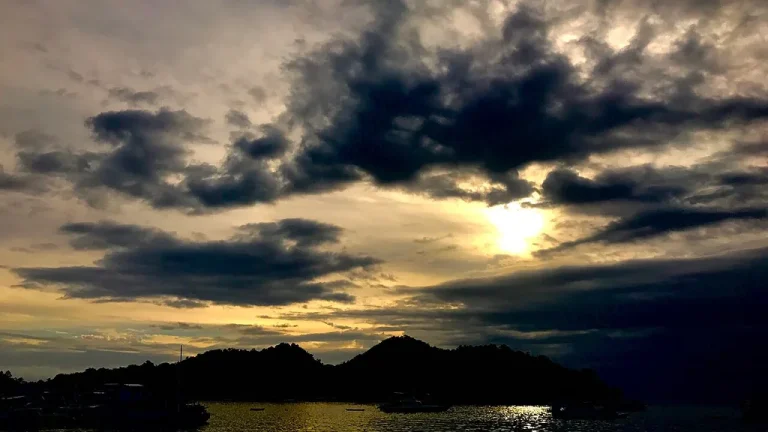
Labuan Bajo After Dark: Food and Nightlife
Labuan Bajo's evening scene centers on Kampung Ujung, the waterfront dining strip near the harbour where local seafood restaurants and…
12 min Read -
Travel Journal
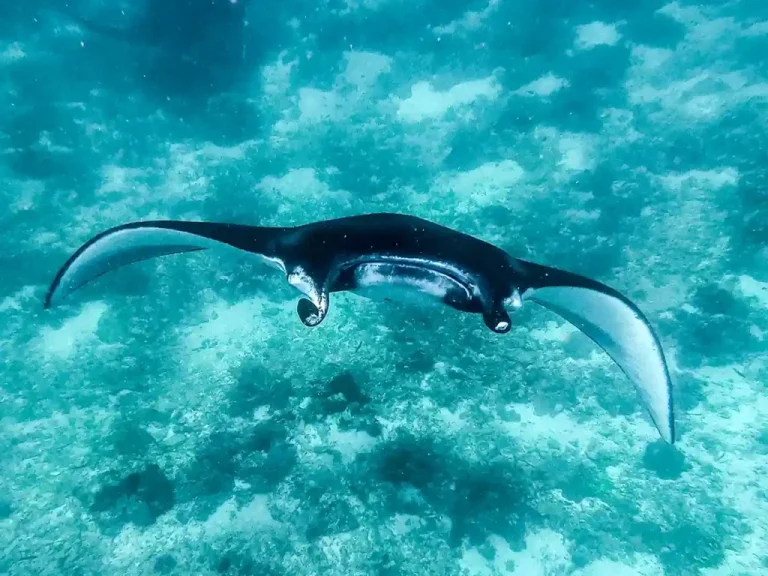
Marine Life Around Flores and Komodo
The waters around Flores and Komodo National Park sit within the Coral Triangle, a region marine biologists recognize as having…
10 min Read -

Travel Journal
Digital Payments and QRIS in Flores
QRIS (Indonesia's unified QR payment standard) now works at a growing number of cafes, shops and tour operators in Labuan…
12 min Read