
Why Flores Island is a Top Destination for 2027
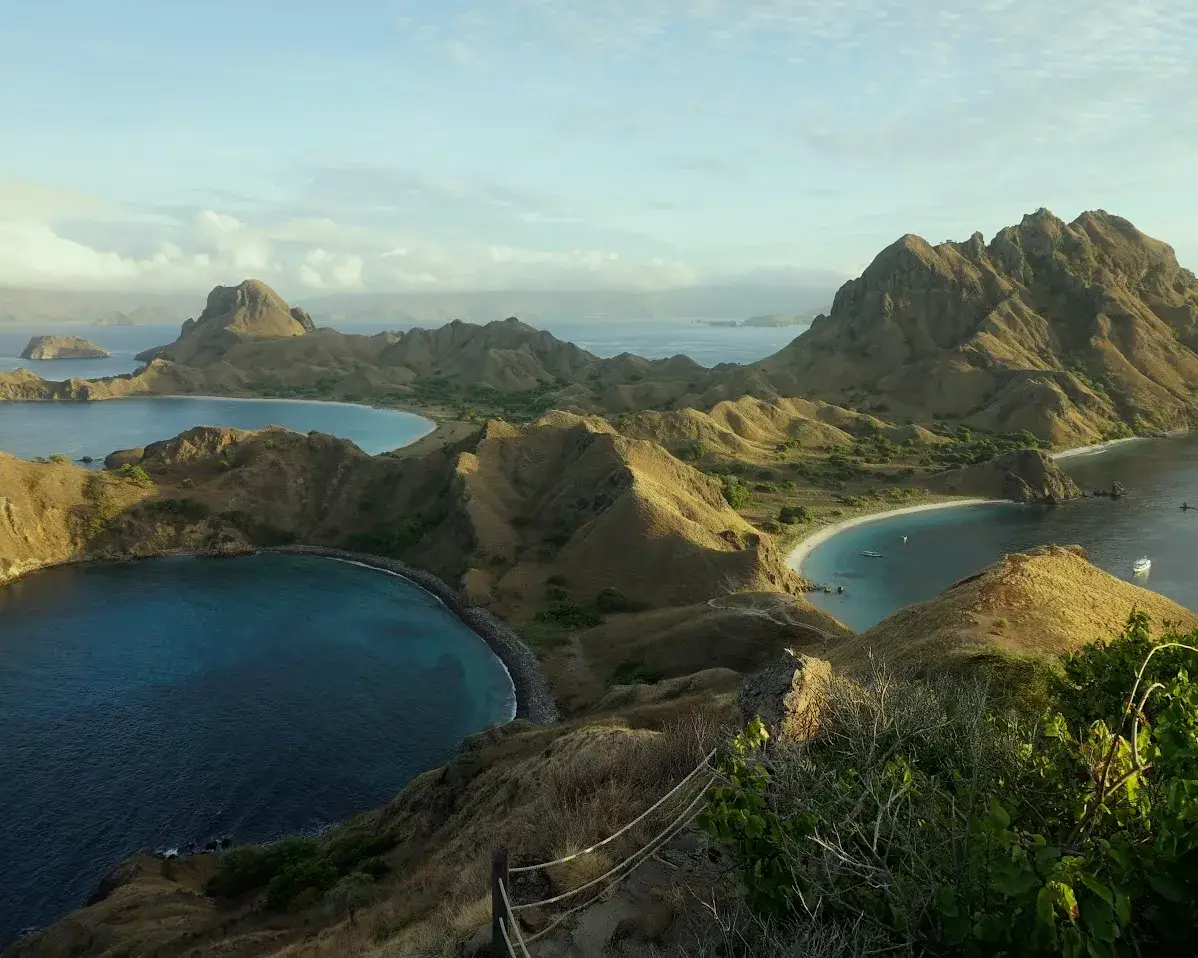
In 2027, Flores Island emerges as a top destination due to its unique blend of natural beauty, cultural richness, and sustainable tourism practices. This island offers experiences for travellers seeking adventure and tranquillity.
Why Flores Keeps Turning Up on 2027 Shortlists
As the global travel scene evolves, Flores Island has solidified its position among the top destinations for 2027. The island’s commitment to sustainable tourism, coupled with its stunning landscapes and vibrant culture, makes it an attractive option for travellers worldwide. The island spans approximately 13,540 square kilometres, with a population of over 1.8 million people. Its location within the Indonesian archipelago offers landscapes, from mountainous terrains to coastal areas, each providing unique experiences for visitors. The island’s climate is tropical, with a wet season from December to March and a dry season from April to November, making the latter months ideal for travel.
How Fast Tourism Here Is Actually Growing
The tourism growth in Flores has been remarkable, with the island welcoming an increasing number of visitors each year. Visitor numbers have grown year on year, though published figures vary with the source and with how arrivals are counted, so treat any single growth percentage with caution. The draw is the spread of attractions, ranging from the renowned Komodo National Park to the exquisite Kelimutu Lakes. The strategic development of infrastructure and services has further enhanced the island’s appeal. The government has invested in improving road networks, which has significantly reduced travel times across the island. Additionally, the expansion of the airport in Labuan Bajo has facilitated increased flight connectivity, making it easier for international travellers to access the island. This development aligns with the island’s efforts to boost eco-friendly tourism through initiatives that promote local culture and environmental conservation.
What the Accolades Do and Do Not Prove
Flores collects a steady stream of press attention, and it is worth being precise about what that does and does not tell you. Flores turns up regularly on travel-magazine shortlists of emerging Indonesian destinations, and Labuan Bajo’s designation as one of Indonesia’s national priority tourism destinations has kept it in official view. We do not reproduce specific award titles here unless we can point you at the awarding body, because these lists are reissued every year and the version that circulates in marketing copy is often several seasons out of date. What the coverage does reflect is real enough: local communities run much of what visitors come to see, from the homestay network at Wae Rebo to the Ngada villages around Bajawa, and they carry the work of keeping it intact. Several eco-lodges along the overland route publish their own water, waste and staffing practices, which is a claim you can check against the property itself rather than against an accolade.
Unique Attractions and Experiences
Flores Island offers a range of unique attractions that cater to diverse interests. From trekking up Mount Kelimutu to witness its tri-coloured crater lakes, to exploring the traditional villages of the Ngada people, visitors are spoiled for choice. The island’s marine biodiversity also attracts snorkellers and divers from around the globe. Komodo National Park covers 1,733 square kilometres. Balai Taman Nasional Komodo counts the dragons every year: 3,270 inside the park in 2024, and 3,396 in 2023. The Ministry of Forestry adds roughly 700 more on mainland Flores outside the park boundary. The IUCN’s 2021 assessment lists the species as Endangered, with fewer than 1,400 mature individuals worldwide. The park also protects a rich array of marine life, including over 1,000 species of fish. Kelimutu National Park offers an opportunity to see the changing colours of its three crater lakes, a phenomenon influenced by the mineral content and oxidation levels in the water. Bajawa, located in the central highlands, serves as a cultural hub where visitors can engage with the local Ngada tribes, known for their megalithic traditions and distinctive architecture.
- Komodo National Park: Home to the iconic Komodo dragon and diverse marine life.
- Kelimutu National Park: Known for its stunning volcanic lakes.
- Bajawa: A cultural hub with unique traditional architecture.
2027 Note
As we look towards 2027, Flores Island is expected to continue its trajectory as a leading travel destination. With ongoing efforts to enhance sustainable tourism practices and infrastructure, the island is poised to offer even more enriching experiences for visitors. The commitment to preserving its natural and cultural assets remains a priority, ensuring that Flores Island remains a top choice for discerning travellers. The local government, alongside international partners, is working on initiatives to promote eco-tourism and support local communities, ensuring that tourism growth benefits residents and preserves the environment. These initiatives include providing training for local guides, promoting traditional crafts, and implementing waste management systems to maintain the island’s ecological balance.
FAQ
What makes Flores Island a top travel destination in 2027?
Flores Island is a top travel destination in 2027 due to its commitment to sustainable tourism, remarkable natural beauty, and rich cultural heritage. These elements combine to offer a unique and memorable travel experience. The island’s dedication to eco-friendly practices ensures that visitors can enjoy its natural wonders while contributing to conservation efforts.
What are the key attractions in Flores?
Key attractions in Flores include the Komodo National Park, Kelimutu National Park, and the traditional villages of Bajawa, offering a mix of natural wonders and cultural experiences. Each site provides a unique insight into the island’s diverse ecosystems and cultural traditions, making it a rich destination for those interested in both nature and history.
How is Flores Island improving its tourism infrastructure?
Flores Island is enhancing its tourism infrastructure by investing in sustainable practices, improving transport links, and developing amenities to better accommodate the growing number of visitors. This includes the expansion of accommodation facilities, enhancement of public transport systems, and the creation of environmentally conscious tourist activities. These improvements aim to provide a travel experience while maintaining the island’s natural beauty and cultural integrity.
The case for Flores in 2027 above stops where the logistics begin, and those are picked up at Komodo Luxury’s Labuan Bajo tour desk.
Interest in Flores has outrun the number of boats working the park, so dates now matter more than headline prices. Day sailings have their own page on Komodo boat tours. Two- and three-night runs, the first format to sell out each dry season, are at Komodo liveaboard cabins. A private hull from the Labuan Bajo marina keeps your own timings when the anchorages are busy: Labuan Bajo yacht rental.
Where to Stay and What Not to Miss Across Flores Island
Choosing among the highest-rated hotels on Flores can make a significant difference to your visit, especially as accommodation standards have improved markedly since 2025. In Labuan Bajo, several eco-conscious boutique hotels and resorts offer reliable modern amenities, good food and direct access to key sites. Inland, Moni and Bajawa have smaller but highly-rated guesthouses and homestays known for local character and warm hospitality. Booking ahead is essential in the main season from June to September, as rooms in the best properties fill quickly.
If you are traversing the island by land, the main overland stops highlight Flores’ geographical and cultural diversity. Travellers typically start at Labuan Bajo in the west, moving east through Ruteng (famed for its spiderweb rice fields), Bajawa (for traditional Ngada villages and volcanic hot springs), Ende (gateway to Kelimutu), and terminating in Maumere. Each of these towns offers a distinct atmosphere—and a change in climate, with Bajawa in particular cooler due to its elevation.
Among the top things to do in Ende, visiting the multi-hued volcanic lakes of Kelimutu National Park stands out, especially at sunrise. The town is also a place to learn about Flores’ anti-colonial history at the Rumah Pengasingan Bung Karno museum. The local market provides the best opportunity to sample Flores coffee and traditional ikat textiles. Ende is well placed for onward travel, with regular flights and road links east and west.
Travel on Flores remains an adventure, but improved roads and an expanding choice of accommodation make it considerably more comfortable than a decade ago. The overland journey rewards those willing to slow down, with varied landscapes, friendly towns and frequent chances to experience local culture beyond the better-known highlights.
More Questions Answered
Which hotels on Flores are rated highest?
The top rated hotels on Flores Island are concentrated in Labuan Bajo, featuring well-reviewed eco-resorts and boutique hotels. In Bajawa and Moni, smaller guesthouses and family-run homestays are often rated highest for hospitality. Properties with reliable hot water and English-speaking staff tend to top traveller lists. Peak booking months are June to September.
Which stops on the overland route are worth the detour?
The top stops on Flores’ overland route are Labuan Bajo, Ruteng, Bajawa, Ende, and Maumere. Each offers different highlights: from Komodo islands in the west to Kelimutu crater lakes and traditional villages in the uplands. The full route is 532 km and can take 5–8 days with sightseeing.
What are the top things to do in Ende?
The top things to do in Ende are visiting Kelimutu National Park to see the tri-coloured lakes, exploring the Bung Karno museum, and browsing the town market for coffee and textiles. Sunrise visits to Kelimutu are especially popular. Ende also has access to black sand beaches and weekly local festivals.
How safe is travel around Flores Island in 2027?
Travel around Flores Island in 2027 is generally safe, with main roads now in good condition and low violent crime. Motorbike and bus journeys between towns are common, but travellers should remain alert to road hazards and carry cash outside main towns, as ATMs are limited.
Keep reading
More from the journal
-
Travel Journal
Labuan Bajo After Dark: Food and Nightlife
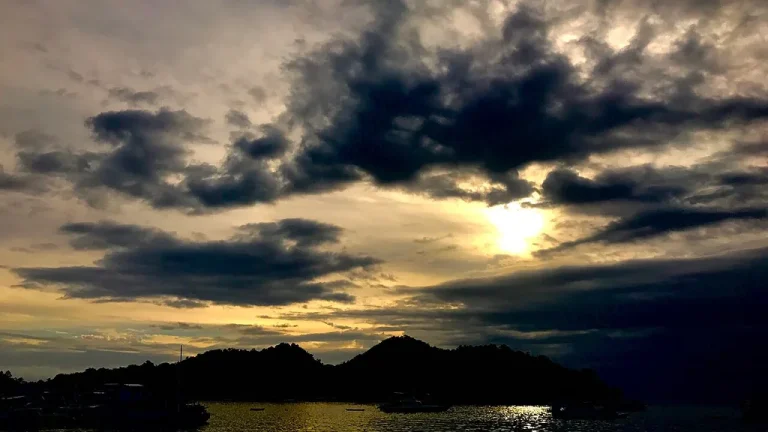
Labuan Bajo's evening scene centers on Kampung Ujung, the waterfront dining strip near the harbour where local seafood restaurants and…
12 min Read -
Travel Journal
Marine Life Around Flores and Komodo
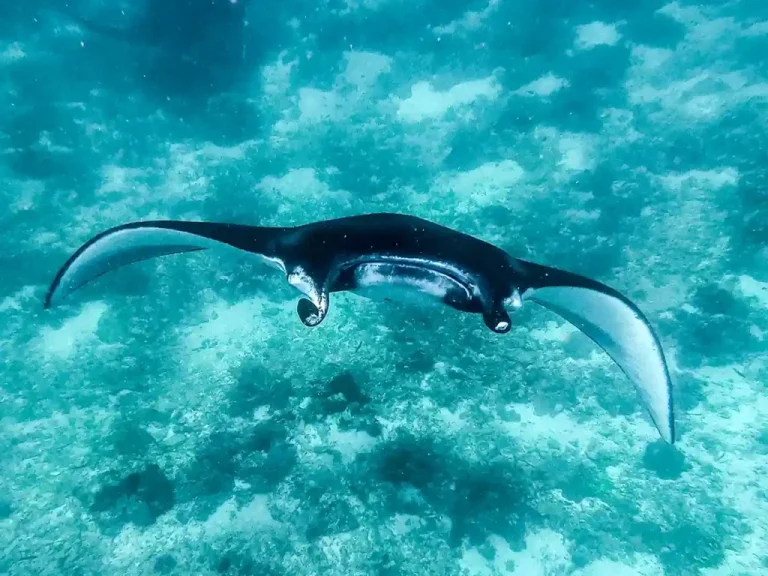
The waters around Flores and Komodo National Park sit within the Coral Triangle, a region marine biologists recognize as having…
10 min Read -
Travel Journal
Digital Payments and QRIS in Flores
QRIS (Indonesia's unified QR payment standard) now works at a growing number of cafes, shops and tour operators in Labuan…
12 min Read