
Flores Eco Lodges: Best Sustainable Places to Stay
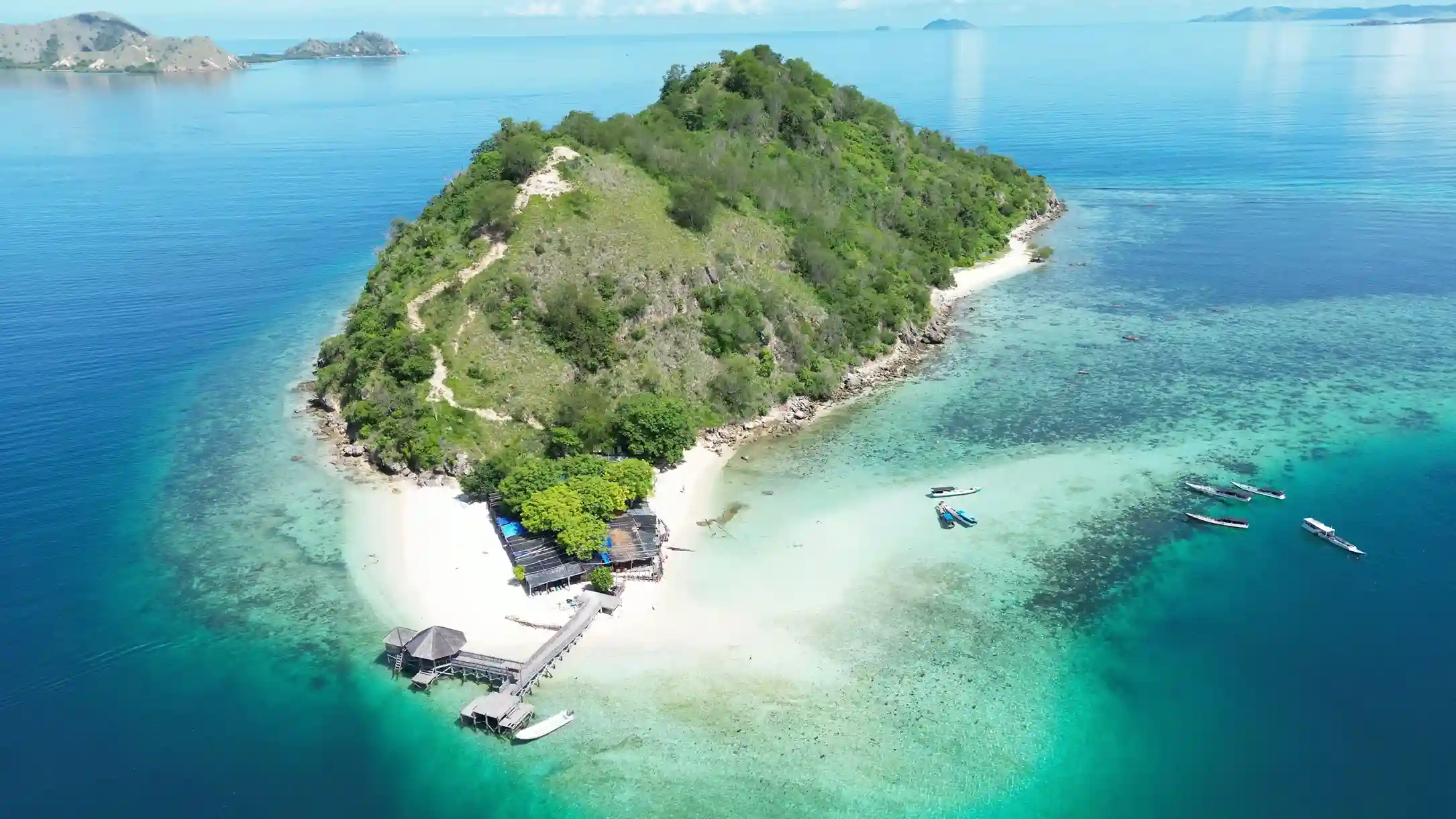
The best Flores eco lodges are not gathered in a single resort strip — they are strung out along the Trans-Flores highway, one small property or community stay at each overnight stop of the classic overland route. For most travelers, the winning formula is a boutique eco stay near Labuan Bajo, a night in the UNESCO-recognized village of Wae Rebo, family-run highland lodges in Bajawa, and a simple guesthouse in Moni below the Kelimutu crater lakes. Expect roughly USD 15–35 per night for community stays and USD 60–150+ for purpose-built ecolodges, booked four to eight weeks ahead in dry season.
This guide maps sustainable accommodation to the actual driving route, gives honest price bands, and shows how to fold everything into a workable 6-day itinerary — so you spend your evenings in places that put money into local hands rather than generic roadside hotels.
What Makes a Lodge in Flores Genuinely “Eco”?
Flores is still an early-stage destination, so the word “eco” gets used loosely. When a property is considered for this shortlist, the desk looks for a few concrete signals rather than marketing language:
- Local ownership or profit-sharing. The strongest stays on the island are community-run village guesthouses and small lodges where staff, guides, and food supply all come from the surrounding villages.
- Small footprint. Most genuine eco properties in Flores have fewer than 20 rooms, are built with timber, bamboo, and alang-alang thatch, and sit on the edge of forest or farmland rather than replacing it.
- Water and waste discipline. Rainwater collection, refill stations instead of plastic bottles, and simple septic systems matter more here than glossy sustainability reports.
- Cultural access, not cultural display. The best stays connect you to daily life — coffee processing in Bajawa, weaving cooperatives near Ruteng, dawn rituals of village hospitality in Wae Rebo — instead of staged performances.
If a property ticks two or three of these boxes, it will almost always deliver a more memorable night than a mid-range concrete hotel at the same price.
Where Are the Best Flores Eco Lodges Along the Overland Route?
The classic overland journey runs Labuan Bajo → Ruteng/Wae Rebo → Bajawa → Ende → Moni (Kelimutu) over four to six days, following the Trans-Flores highway east. Here is what sustainable accommodation looks like at each stage, west to east.
Labuan Bajo and the Mbeliling Forest
Labuan Bajo is the gateway town with the airport (LBJ) and the harbor for Komodo boat trips, and it now has everything from backpacker rooms to five-star resorts. For an eco-minded first or last night, look just outside town: small hillside lodges above the bay and forest-edge ecolodges in the Mbeliling area, about an hour inland, where birding walks and waterfall hikes replace the marina scene. Staying one night in Mbeliling on your way east is the single easiest upgrade to a standard overland plan — you break up the longest driving day and sleep beside genuine rainforest.
Ruteng and Wae Rebo
Ruteng is a cool, misty market town surrounded by the spider-web rice fields of Cancar. Accommodation here is mostly simple guesthouses and convent-run lodgings — modest, clean, and locally owned. The real prize lies south: Wae Rebo, the mountain village of cone-shaped mbaru niang houses, recognized by UNESCO for heritage conservation. There is no lodge in the conventional sense; you sleep communally in a traditional house, meals included, with fees managed by the village. It is the most authentic community stay in Flores, reached by a two-to-three-hour forest trek from the trailhead, and it should be treated as a fixed, pre-arranged night rather than a walk-in stop.
Bajawa Highlands
Bajawa sits at altitude beneath Mount Inerie, cool enough for evening fires and famous for its arabica coffee. The eco options here are small family-run lodges and homestays on the edge of town and near the traditional villages of Bena and Luba, where megalithic terraces and clan houses are still lived in daily. Several stays arrange coffee-farm visits and hot-spring trips with village guides — book those through the lodge so the fee stays in the community.
Ende, Moni and Kelimutu
Ende is a transit city with a small airport, useful if you want to fly out instead of backtracking. Most travelers push one hour further to Moni, the farming village at the foot of Kelimutu National Park. Moni’s accommodation is almost entirely small-scale: family guesthouses, garden bungalows, and a handful of purpose-built ecolodges with rice-field views. Nights here are short by design — you rise around 4 a.m. for the drive up to the tri-colored crater lakes at sunrise — so a quiet, locally run bungalow beats a bigger hotel every time.
How Much Do Flores Eco Lodges Cost?
As of 2026, Flores eco lodges and community stays fall into three broad price bands. Treat these as indicative planning figures only — rates change with season and exchange rates, and village fees are set locally and can be revised.
| Band | Typical stay | Indicative rate (per night) |
|---|---|---|
| Community / village stay | Wae Rebo traditional house, Moni homestays, Bajawa family guesthouses; meals often included | USD 15–35 per person |
| Mid-range ecolodge | Purpose-built bungalows in Mbeliling, Moni, and around Bajawa with private bathrooms and restaurant | USD 60–120 per room |
| Boutique / premium | Hillside eco retreats around Labuan Bajo, best pool-and-view properties for first and last nights | USD 150–350+ per room |
A realistic 6-day accommodation budget mixing all three bands is roughly USD 300–700 per person — a fraction of what the same trip quality costs in Bali, largely because you are paying villages and families directly.
How Far in Advance Should You Book?
Lead time is the part most travelers get wrong. Flores eco lodges are small — often six to fifteen rooms — and Wae Rebo caps comfortably hosted overnight guests by the capacity of its guest house. Our working rules, per 2026 seasons:
- July–August (peak dry season): book 2–3 months ahead. The best Moni bungalows and Mbeliling lodges sell out first.
- May–June and September–October: 4–8 weeks ahead is usually enough. This shoulder-dry window is arguably the best time overall — clear Kelimutu sunrises, green landscapes, fewer vehicles on the trans-island road.
- November–April (rain season): 1–3 weeks ahead works for most stays, but build slack into your route; afternoon rain can slow mountain roads, and the Wae Rebo trek is muddier.
Because the lodges are strung along a one-road route, one sold-out property can force you to redesign the whole chain of nights. This is exactly why accommodation is handled as part of the overland package that covers this route — the driver, the route timing, and the room inventory are locked together instead of negotiated stop by stop.
A 6-Day Flores Eco Lodge Itinerary That Works
This is the route we recommend most often for travelers who want sustainable stays without rushing:
- Day 1 — Labuan Bajo → Mbeliling. Land at LBJ, short drive inland, first night at a forest-edge ecolodge. Afternoon waterfall walk.
- Day 2 — Mbeliling → Wae Rebo trailhead → Wae Rebo. Drive the south coast road, trek up, communal dinner and overnight in a traditional house.
- Day 3 — Wae Rebo → Ruteng. Morning in the village, trek down, Cancar spider-web rice fields en route, simple guesthouse in Ruteng.
- Day 4 — Ruteng → Bajawa. Trans-Flores highway east, viewpoints and coffee stops, village-edge lodge near Bena.
- Day 5 — Bajawa → Moni. Bena traditional village in the morning, blue-stone beach near Ende, garden bungalow in Moni.
- Day 6 — Kelimutu sunrise → Ende. Crater lakes at dawn, fly out of Ende — or drive back west and finish with a Komodo National Park boat trip from Labuan Bajo.
With a private car and driver the same route flexes easily — extra nights in Wae Rebo territory, a weaving village detour, or a slower pace for families. That flexibility is the core of the Flores private tours, where the itinerary bends around you rather than a fixed bus schedule.
Ready to Book Your Flores Eco Lodge Route?
Komodo Luxury can hold the whole chain on one booking: airport pickup, private driver on the Trans-Flores highway, vetted eco lodges and community stays at every stop, the Wae Rebo arrangement handled properly, and an optional Komodo liveaboard or day-boat finale from Labuan Bajo. One conversation, one confirmed route, no sold-out surprises mid-island. Komodo Luxury, part of Juara Holding Group and operating from Bali across Indonesia since 2015, builds these trips on long-standing local relationships rather than third-party inventory.
The eco-lodge shortlist above gets you to a decision; a confirmation number comes from Komodo Luxury’s Labuan Bajo tour desk.
An eco-lodge on land and a boat at sea are booked in different places, which is why this page stops short of a combined price. The flagship hulls, carrying the newest water and waste systems, are at VIP boat charter. A mid-range boat with private bathrooms costs less and still avoids the crowded budget decks: deluxe boat charter. Longer cruising itineraries that run beyond Komodo are at luxury cruises across Indonesia.
Choosing the Right Eco Lodge Location for Your Flores Route
Where you sleep on Flores follows from what you came for, how many nights you have, and whether you want nature, culture or both. The four-day version takes the headline sights: Komodo National Park by boat out of Labuan Bajo, the spiderweb rice fields near Ruteng, the Ngada villages in the Bajawa highlands, and the Kelimutu crater lakes from Moni. Almost everyone runs it west to east along the Trans-Flores highway, stopping at small lodges that are part of the journey rather than just somewhere to sleep.
The right base depends on the focus. Labuan Bajo puts you next to the boats, the dive shops and the charters. If you want the harbour access without the harbour noise, look at the properties in the Mbeliling foothills or on the north-facing coast — quieter, and still under an hour from town. Families tend to do better in smaller guesthouses with home cooking and space for children to move around, which is what Bajawa and rural Moni are full of.
Beyond the standard hotels there are village guesthouses, coffee-estate lodges and bamboo bungalows set back in the forest. The quietest stays are usually off the main road, so ask about the access track and evening noise before booking, particularly near Labuan Bajo and Ende. Around Bajawa the places are family-run and close to hot springs or traditional villages, which makes the cool highland evenings the point rather than the drawback. Ende is mostly a staging post for flights or the Kelimutu sunrise; the hillside guesthouses with a mountain view are worth the extra few minutes’ drive.
Book early for the June to September stretch, when the good small places go first. Labuan Bajo remains the strongest base for connections and food — the night market and the local warungs do grilled fish and nasi campur better than most of the restaurants aimed at visitors. What eco-lodging means on Flores is small, locally run and built into the overland route rather than sold as an escape from it, and each stop hands you a different piece of the island, from volcanic lakes to ritual villages still in use.
Frequently Asked Questions
Where to stay on Flores Island?
Stay in locally owned eco lodges or village guesthouses along the Trans-Flores highway for the best experience. The most popular overnight stops are Labuan Bajo, Ruteng/Wae Rebo, Bajawa, Ende, and Moni. Each offers different access to natural and cultural attractions.
Where to stay in Flores for Komodo trips?
Book your stay in Labuan Bajo, as it is the only gateway for boat trips to Komodo National Park. Base yourself near the harbour for early departures, or choose hillside eco lodges for peace and views—both are within 20-30 minutes of the main jetty.
Where to stay for diving Flores?
Labuan Bajo is the best base for diving, with dozens of dive centres and direct access to Komodo’s reefs. Opt for waterfront guesthouses or eco lodges north or west of town for quieter nights, but ensure easy transfers to dive boats departing before 7:00 am.
Which town is the best base on Flores?
Labuan Bajo is the best town for first-time visitors, thanks to its airport, tour infrastructure, and wide accommodation choice. For more rural or cultural experiences, Bajawa and Moni offer characterful, quieter alternatives on the overland route east.
What are the must-see places on Flores Island?
Must-see spots include Komodo National Park for dragons and snorkeling, the spiderweb rice fields near Ruteng, Bajawa’s traditional highland villages, hot springs, and Kelimutu crater lakes at sunrise. All can be linked in a one-way trip over 4-7 days.
What is the best way to book accommodation in Flores?
Book accommodation online via official lodge websites, major booking platforms, or by WhatsApp direct to the lodge. In dry season (April–November), secure rooms 4–8 weeks ahead, especially in Labuan Bajo, Bajawa, Wae Rebo, and Moni, as the best places fill quickly.
Tell Komodo Luxury your dates and travel style on WhatsApp at +62 811-3810-8110 or email sales@komodoluxury.com, and they will send a tailored eco lodge itinerary with current rates within a day.
Keep reading
More from the journal
-
Practical & Costs
Flores Travel Scams and How to Avoid Them
Most problems travelers report from Flores and Komodo trips trace back to a small number of recurring patterns — not…
10 min Read -
Practical & Costs
Travel Insurance for Flores and Komodo
Travel insurance for Flores and Komodo needs to cover three things standard policies sometimes exclude by default: scuba diving (even…
11 min Read -
Practical & Costs
SIM Cards, eSIM and Internet in Flores
Telkomsel has the widest and most reliable mobile coverage across Flores, including Labuan Bajo and the more remote stretches of…
11 min Read