
Komodo Dragons: Facts and Safety Rules
Terakhir diperbarui: 26 Agustus 2026.
What Is a Komodo Dragon?
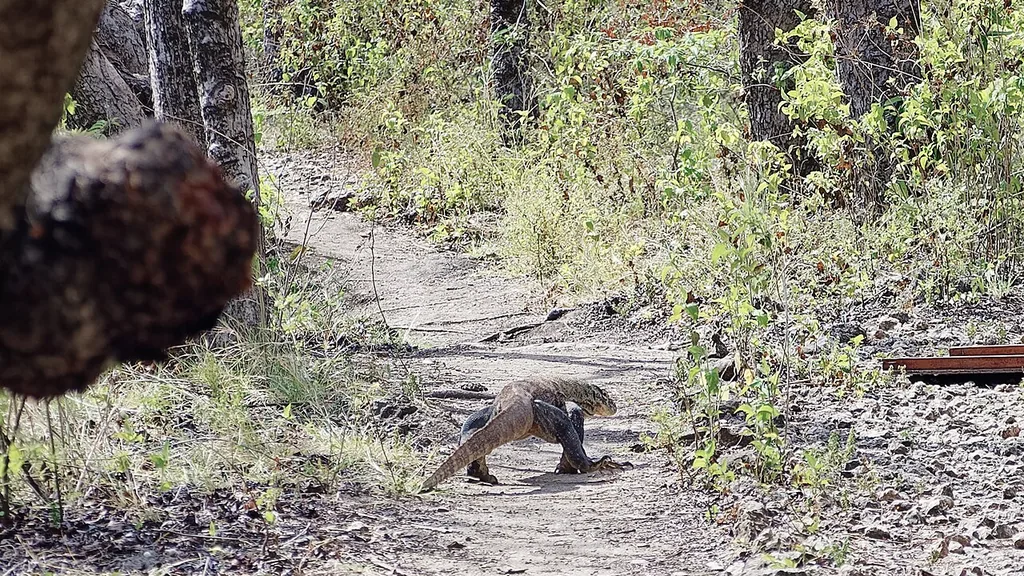
The Komodo dragon (Varanus komodoensis) is a monitor lizard endemic to a small cluster of Indonesian islands — Komodo, Rinca, Gili Motang, and parts of western Flores are the confirmed wild ranges, according to conservation and zoo research sources including the Smithsonian’s National Zoo. Padar Island, despite lying inside the same national park, has had no confirmed dragon sightings since the 1970s, when heavy poaching of the deer the dragons prey on reduced the island’s population to zero. This is a genuinely rare species distribution — nowhere else on Earth has wild Komodo dragons outside this small island cluster.
They are the largest living lizard species. Typical wild adults weigh around 70 kilograms; the largest verified specimen on record reached 3.13 meters in length and 166 kilograms, per Smithsonian data. Males grow larger and bulkier than females. Lifespan in the wild is estimated at up to 30 years, with most individuals living 20 to 25 years.
Do Komodo Dragons Have Venom?
Yes — and this overturned decades of received wisdom. For most of the 20th century, the standard explanation for why Komodo dragon bites are dangerous was septic bacteria in the saliva. Research published in 2009, led by toxinologist Bryan Fry at the University of Queensland, confirmed functional venom glands in the dragon’s lower jaw, producing anticoagulant compounds that prevent blood clotting and induce shock in prey. The bacterial-saliva theory is now considered largely superseded by this venom research, though the dragon’s mouth does still carry a heavy bacterial load on top of the venom — both mechanisms likely contribute to how prey animals die after a bite.
A bitten prey animal often doesn’t die immediately. Dragons frequently track a bitten animal for hours or days using their extraordinary sense of smell — some sources describe detection of carrion from several kilometers away — waiting for blood loss and shock to take effect before feeding.
How Fast Can a Komodo Dragon Move?
Reported top speed is around 20 kilometers per hour (roughly 13 mph) in short bursts — faster than an average human’s jogging pace, though not sustained over distance. Their hunting strategy relies on ambush and patience rather than a long chase: a dragon may wait motionless along a game trail for hours before striking. This is precisely why ranger rules emphasize distance and stillness over the assumption that you could simply outrun one if surprised at close range.
Komodo dragons can also swim, using their tails and legs to propel themselves — documented swims of up to 500 meters between islands are part of how the species likely spread across its current island range historically. Tourists occasionally spot dragons swimming during boat transits, though it isn’t a daily occurrence.
Mandatory Safety Rules for Visiting Komodo Dragons
These rules are consistently reported across national park guides, dive and tour operators, and wildlife researchers describing how legitimate visits are run on Komodo and Rinca Islands:
- Always trek with a licensed park ranger. Unguided, independent trekking to see dragons is not how legal visits work — a ranger accompanies every group, carrying a forked stick used historically to redirect a dragon if it approaches too closely.
- Keep a minimum distance, commonly cited as 5 meters. Some sources note a 3 to 5 meter range depending on the specific location and ranger judgment — always defer to the ranger’s real-time instruction over any general number.
- Never run if a dragon is nearby. Sudden movement can trigger a predatory response; rangers instruct visitors to move calmly and follow directions rather than react on instinct.
- Don’t turn your back for photos. Staying aware of the dragon’s position, rather than framing a selfie with your back to it, is a rule rangers repeat because it is a common mistake.
- Stay on marked trails. Dragons can rest hidden in trailside vegetation; wandering off-path increases the chance of an unplanned close encounter.
- Disclose open wounds or menstruation to your ranger discreetly. Both can attract attention given the dragon’s sense of smell; rangers adjust group positioning accordingly rather than turning anyone away.
- No food on the trail. Food smells can draw dragons toward a group; snacks and meals happen back at the ranger station, not on the trekking route.
Komodo Island vs Rinca Island: Where Should You Go?
Both islands host wild dragon populations and both require the same ranger-guided approach, but they differ in practical terms:
| Komodo Island (Loh Liang) | Rinca Island (Loh Buaya) | |
|---|---|---|
| Boat time from Labuan Bajo | Roughly 2–2.5 hours | Roughly 1.5 hours |
| Dragon density | Lower encounter rate per visit reported by several operators | Higher encounter rate reported by several operators |
| Trek options | Longer trails available, up to 3–4 hours | Shorter, generally 1–2 hours |
| Crowds | More visitor groups, being the namesake island | Fewer groups on a typical day |
| Nearby add-on | Pink Beach is close by | Kalong Island bat colony often paired on the same route |
If seeing a dragon is your main priority and time is limited, several long-term local operators point to Rinca as the more reliable single stop. Many multi-day itineraries include both — see Labuan Bajo tour packages for boat options that combine them.
Are Komodo Dragons Endangered?
Yes — the IUCN upgraded the species’ conservation status to Endangered in 2021, citing climate-driven sea-level rise affecting coastal habitat as the primary long-term threat, alongside prey poaching (of Timor deer and wild boar, the dragons’ main food source) and habitat pressure from tourism development and population fragmentation across islands. Estimates of the total wild population sit at 3,270 inside Komodo National Park in the 2024 government count, with roughly 700 more on mainland Flores; the IUCN puts mature individuals worldwide below 1,400 — a genuinely small number for a species with this much cultural and tourism profile.
How Dangerous Are Komodo Dragons to Tourists in Practice?
Fatal attacks on tourists are extremely rare, and virtually every documented serious incident involves someone who left the marked trail, approached too closely for a photo, or trekked without following ranger instructions — not a dragon attacking a group that followed the standard safety rules. Millions of visitors have trekked Komodo and Rinca over the decades since the park’s 1980 establishment without incident, which is the realistic context for how safe a properly guided visit is. Treat the safety rules above as the actual explanation for that safety record, not a formality — dragons are wild apex predators, and the rules exist because of specific documented incidents where they weren’t followed.
Frequently Asked Questions
Can I visit Komodo National Park without a ranger?
No — a licensed ranger accompanies every trekking group on Komodo and Rinca Islands. This is a standard safety requirement, not an optional upsell from tour operators.
How close can I get to a Komodo dragon for a photo?
Commonly cited minimum distance is 5 meters, though your ranger has final say based on the specific dragon’s behavior and position that day. Never approach closer than instructed for a better shot.
Are Komodo dragons dangerous to humans?
They are wild venomous predators capable of seriously injuring or killing a human, though fatal attacks are extremely rare and almost always linked to someone bypassing ranger guidance or safety rules.
Which island has more dragons, Komodo or Rinca?
Several long-term operators report Rinca as having a higher likelihood of a dragon sighting per visit, along with a shorter boat ride from Labuan Bajo, though both islands host confirmed wild populations.
Do Komodo dragons attack each other?
Yes — adult dragons are known to be cannibalistic toward juveniles and will compete aggressively over large carcasses, which is part of why juvenile dragons spend much of their early life in trees, away from adults on the ground.
Plan a Ranger-Guided Komodo Trip
Every boat itinerary referenced here includes the mandatory park ranger for Komodo and Rinca treks as standard — see Labuan Bajo tour packages for day trips and multi-day options, or park fees and permits for the current entrance and ranger fee breakdown.
Everything above is what a ranger will tell you on the trail, and it costs nothing to read. The boat, the park permits and the licensed ranger who has to walk with you are organised at Komodo Luxury’s Komodo boat tours.
You can act on the dragon-safety briefing above entirely on your own, and Labuan Bajo tour options is simply the shortcut if you would rather not. If you would rather not share the deck with strangers, private trip packages is the format — worth a look once the dragon-safety briefing above is settled. Hull classes and their differences are explained at Komodo boat charter classes — worth a look once the dragon-safety briefing above is settled.
Komodo Dragon Encounters: Realistic Safety Guidance for Flores Travellers
Every encounter with a dragon is governed by strict rules, and following them is the whole safety system. Komodo dragons visiting rules and safety protocols are non-negotiable: visitors must stick to designated trails, always walk in groups led by licensed rangers, and keep a minimum of 5 metres from any dragon. Padar has notably different rules, as there are no resident dragons—its trails focus on viewpoints rather than wildlife, so the dragon-encounter protocols do not apply there.
On Rinca Island, attacks on tourists have historically occurred, but are extremely rare with proper supervision. Dragon-watching trips to Rinca are organised through operators in Labuan Bajo, who apply the park’s safety rules on every excursion. Guides are trained to spot warning signs in dragon behaviour and use long sticks as basic protection. Feeding or approaching dragons for close-up photos is strictly forbidden. Even when dragons appear lethargic, their speed and reach can surprise the unwary.
Wear covered shoes, move slowly, and stay out of the scrub and shade where a resting dragon is easy to miss. Women who are menstruating must inform guides, as dragons’ acute sense of smell can pick up traces of blood. The risk of an attack is lowest on guided treks that obey park protocols. Komodo national park wildlife safety guidelines also stress not leaving food scraps, as these attract both dragons and monkeys.
Labuan bajo safety for tourists is generally high, with local authorities and tour companies maintaining clear standards for visitor welfare, both in town and on tours. Overall, Flores ranks among Indonesia’s safest destinations for wildlife-based trips, provided visitors respect all advice from park staff. These are wild predators, not exhibits. Follow the rules and the encounter is both safe and unlike anything else.
More Questions Answered
How close can you get to Komodo dragons?
You must keep at least 5 metres away from wild Komodo dragons at all times. Rangers may ask groups to move back further depending on the animal’s behaviour or location. Closer approaches are not permitted for photos. Rangers will enforce this rule strictly, especially if dragons are active or near the trail.
Is Komodo Island dangerous for tourists?
Komodo Island is not dangerous for tourists when national park rules are followed and rangers are present. Accidents are extremely rare. All visits are ranger-guided, routes are well established, and risks from wildlife are controlled by maintaining distance and group discipline.
Is it worth visiting Flores Island for Komodo dragons?
Yes—Flores Island is the main gateway to see wild Komodo dragons, with boat trips departing daily from Labuan Bajo to Komodo and Rinca. Peak Komodo dragon activity is during the dry season (April–November). Wildlife sightings are highly reliable on these tours, making the journey worthwhile for most visitors.
Can I see Komodo dragons without a tour?
No, independent visits are not allowed. All travellers must join a guided tour with a licensed ranger to see Komodo dragons for safety and conservation reasons. This applies to Komodo and Rinca Islands. Tours depart regularly from Labuan Bajo and are required by Indonesian law.
Booking questions arising from the dragon-safety briefing above go to the operator’s desk — WhatsApp +62 811-3810-8110, or sales@komodoluxury.com.
Sumber
Keep reading
More from the journal
-
Komodo & Boats
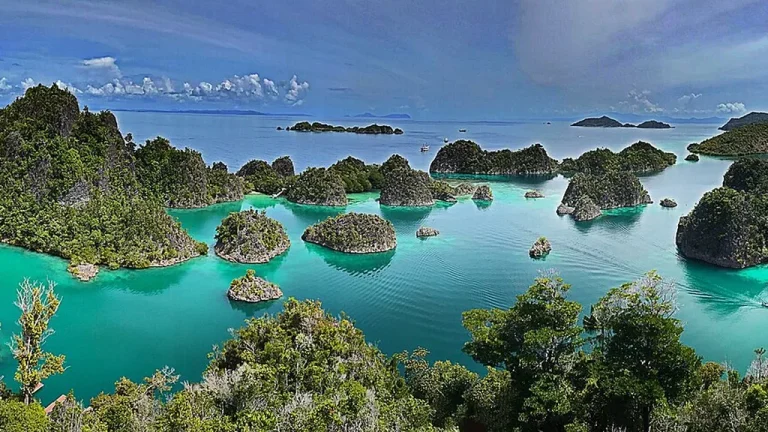
Combining Flores and Raja Ampat in One Trip
Flores and Raja Ampat can be combined into one trip, but they are not next-door destinations — there is no…
11 min Read -
Komodo & Boats
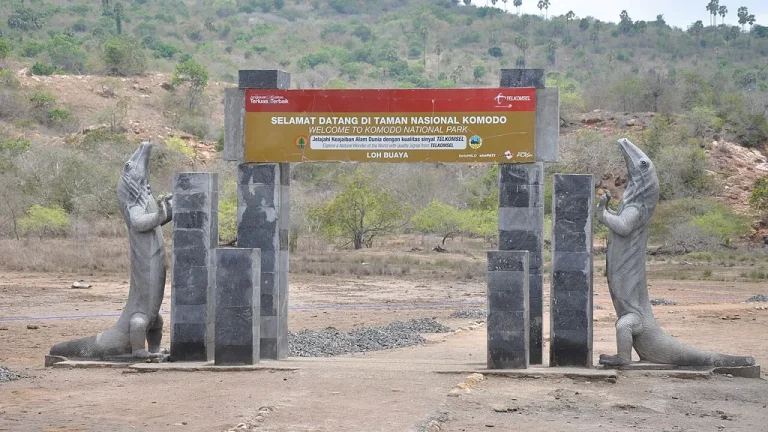
Is Komodo National Park Open? Status Explained
Komodo National Park is open to visitors. It has never been fully and permanently closed, despite repeated news cycles suggesting…
10 min Read -
Komodo & Boats
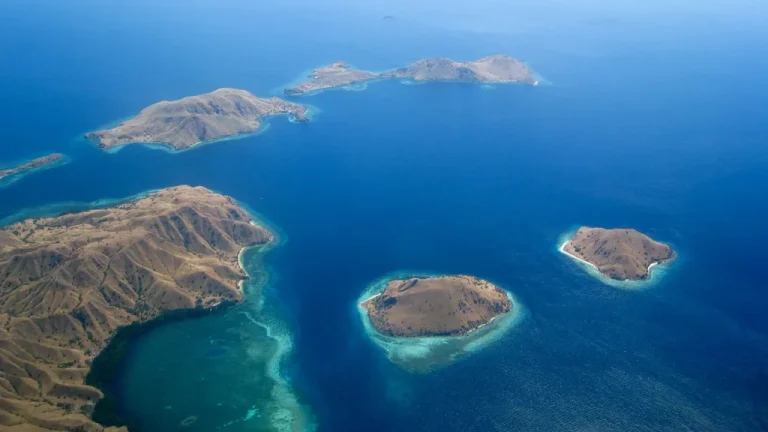
Drone Rules in Komodo National Park
Flying a drone inside Komodo National Park requires a written permit (SIMAKSI) from Balai Taman Nasional Komodo (BTNK), the park's…
11 min Read