
Flores Overland Highlights: Wae Rebo, Bajawa And Kelimutu
Flores Overland Highlights: Wae Rebo, Bajawa And Kelimutu
Flores Island, a hidden gem in Indonesia, offers travelers a unique blend of natural beauty, rich culture, and adventure. Key highlights of an overland trip include the traditional village of Wae Rebo, the cultural heart of Bajawa, and the stunning Kelimutu volcano. Exploring these highlights provides a well-rounded experience of Flores’s diverse landscapes and communities.
Wae Rebo: A Journey into Tradition
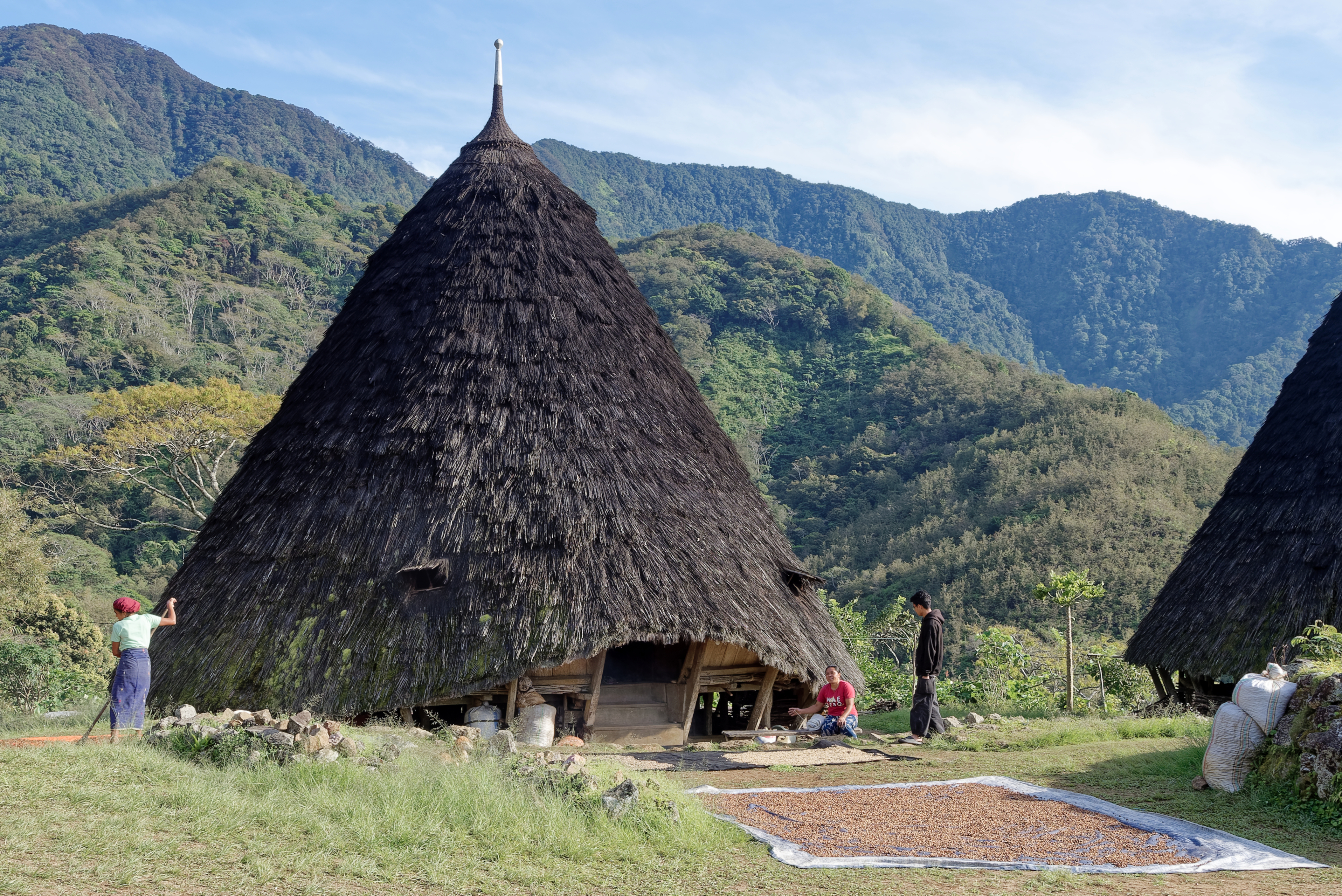
Wae Rebo is often regarded as one of the most picturesque villages in Indonesia. in the mountains of West Flores, this traditional Manggarai village is famous for its cone-shaped houses called Mbaru Niang. These structures are not just visually stunning; they represent the rich cultural heritage of the Manggarai people.
The most popular way to visit Wae Rebo is via a Wae Rebo village tour from Labuan Bajo. The journey typically starts early in the morning, taking around 3 to 4 hours to reach Dintor, then a short further drive to the Denge trailhead. From there, it’s a scenic 3 to 4 hour uphill hike through lush rainforests, terraced rice fields, and local villages. This trek offers a chance to see the natural beauty of Flores up close.
For those wanting an immersive experience, consider a Wae Rebo 2 day 1 night itinerary. This allows you to stay overnight in the village, giving you the opportunity to engage with the local community, learn traditional weaving, and enjoy the stunning sunset and sunrise views over the mountains.
- Price: Approximately $120 USD per person for the 2-day tour, including guided hikes, meals, and accommodation.
- Best Time to Visit: April to November, avoiding the rainy season which can make hiking challenging.
Ruteng and the Spider Rice Fields
After Wae Rebo, head to Ruteng to explore the famous spider rice fields. These unique agricultural landscapes are formed in a circular pattern that resembles a spider’s web. The fields are not only visually striking but also showcase the ingenuity of local farmers in utilizing the mountainous terrain.
To visit the Ruteng spider rice fields, you can either rent a motorbike or hire a local guide. A guided tour will provide valuable insights into the farming practices and cultural significance of the area. This trip can be coupled with visits to nearby traditional villages, offering a deeper understanding of the region’s culture.
How to Visit
If you’re planning an itinerary that includes the spider rice fields, allocate half a day for exploration. Early mornings are ideal for capturing the best photos, as the light highlights the intricate patterns of the rice fields.
- Price: Expect to pay around $30-50 USD for a guide for a half-day tour.
- Duration: 4-6 hours, depending on how many sites you wish to include.
Bajawa: The Heart of Culture
Bajawa is known for its rich culture and stunning landscapes, making it a must-visit on any Flores overland tour. The town serves as a base for exploring traditional villages, hot springs, and volcanic terrain. A Bajawa traditional villages tour is highly recommended for anyone looking to immerse themselves in the local culture.
Start your journey by visiting the nearby village of Bena, famous for its traditional huts and ancestral shrines. Here, you can interact with locals, who are often eager to share their customs and stories. Following Bena, head to the village of Gurusina, known for its unique rituals and stunning views over the surrounding landscape.
Mount Inerie: A Hike Worth Taking
For adventure seekers, a hike to Mount Inerie is a must. The trek offers breathtaking views and a chance to witness the diverse flora and fauna of the region. The hike usually takes around 6-8 hours and can be completed in a day, making it accessible for those based in Bajawa.
- Price: Approximately $40-70 USD for a guided hike.
- Best Time to Hike: Early mornings are ideal, particularly from April to November.
Kelimutu: The Three-Colored Crater Lakes
No trip to Flores would be complete without visiting Kelimutu, famous for its mesmerizing crater lakes that change color. The Kelimutu sunrise tour from Moni is a popular choice, as the early start allows you to witness the lakes at their most stunning, bathed in the soft light of dawn.
The walk to the viewpoint is relatively easy, taking about 20–30 minutes from the parking area. You’ll be greeted with stunning vistas of the three lakes, each varying in color from turquoise to deep red, depending on the volcanic activity and mineral content.
- Price: Around $25-40 USD for a guided sunrise tour.
- Best Time to Visit: June to September, when the weather is typically clearer.
Riung: Snorkeling Adventure
For those looking to unwind after hiking and cultural immersion, the Riung 17 Islands snorkeling trip is an ideal option. Located on the northern coast of Flores, this area is famous for its pristine beaches and vibrant underwater life. The trip usually includes visits to several small islands, each boasting unique snorkeling opportunities.
Most tours provide snorkeling gear and a local guide, making it easy to explore the spectacular coral reefs teeming with colorful fish. The trip can be booked directly from Riung, with many operators offering packages that include lunch and drinks.
- Price: Approximately $30-50 USD per person for a full-day snorkeling tour.
- Duration: Full-day excursion, typically lasting 8-10 hours.
Planning Your Flores Overland Tour
When planning your Flores overland tour from Labuan Bajo to Maumere, consider how many days you have. A comprehensive itinerary typically spans at least 7-10 days to fully experience the highlights.
Prices for such tours can vary widely based on the level of comfort and the activities included. Expect to pay between $500 to $1,000 USD for a mid-range tour that covers transportation, accommodation, and meals.
Sample Itinerary
| Day | Activity |
|---|---|
| 1 | Arrive in Labuan Bajo, transfer to Wae Rebo |
| 2 | Explore Wae Rebo, return to Labuan Bajo |
| 3 | Travel to Ruteng, visit spider rice fields |
| 4 | Explore Bajawa, visit traditional villages |
| 5 | Hike Mount Inerie |
| 6 | Travel to Moni, overnight stay |
| 7 | Kelimutu sunrise tour, travel to Riung |
| 8 | Snorkeling trip in Riung 17 Islands |
| 9 | Travel to Maumere, end of tour |
Frequently Asked Questions
How many days are recommended for a Flores overland trip?
A minimum of 7 days is recommended to explore the key destinations comfortably without rushing.
What is the best time to visit Flores?
The dry season, from April to November, is ideal for traveling, offering the best weather for outdoor activities.
What is the estimated cost for a Flores overland tour from Labuan Bajo to Maumere?
Prices typically range from $500 to $1,000 USD per person, depending on the length and inclusions of the tour.
Flores Island awaits, packed with culture, adventure, and stunning landscapes. Experience the magic of this Indonesian paradise for yourself!
Explore more from Floresislandtravel
- Floresislandtravel — home
- Book Flores Island Travel | Flores Island Travel
- Flores Island Travel – Frequently Asked Questions
- Best Time for Flores Island Travel – Insider Guide
- Padar, Rinca And Komodo Dragons: What To Expect
- Flores Resorts And Hotels: Where To Stay On Every Budget
The highlight sequence described here was compiled from public sources, while live availability sits at Komodo Luxury.
Check dates with Komodo Luxury →
Related reading
None of this books a boat. Komodo Luxury does, through deluxe boat charter, luxury cruises across Indonesia or luxury yacht charters across Indonesia.
Practical Tips for Overland Travel: Stays, Routes, and Packing Essentials
Bajawa offers a handful of well-run, authentic guesthouses, often run by local families and providing valuable cultural context. Among the best guesthouses in Bajawa Indonesia are those close to the town centre or set in the hills with mountain views; these usually include breakfast and can arrange village tours or transport to the Inie Rie volcano hike Bajawa Flores. Book ahead in peak season, as rooms fill quickly during the dry months.
Most people break the Ruteng to Wae Rebo leg with stops along the way, and the road gives them little choice. It climbs through winding mountain passes on tarmac that alternates between good and patched, so progress is slower than the distance suggests. The final stretch to Denge or Dintor needs a motorbike or a high-clearance vehicle, and parts of it are rough. Ask your driver about the current state of the road rather than trusting a map: landslides and heavy rain change it without notice, and most of all between December and March.
How long and how hard the Wae Rebo trek is turns out to be the most common question, and the answer is three to four hours of undulating, frequently muddy trail through rainforest. Moderate fitness covers it. Most people stay the night in one of the village houses, sharing simple meals and a sleeping space with the other guests and the family; the facilities are basic and the hospitality is not.
A five-day route linking Kelimutu and Wae Rebo usually runs Labuan Bajo to Wae Rebo, on to Ruteng, then Bajawa for the hot springs and the Ngada villages, the Inerie climb if you want it, and Kelimutu at the end. Pack layers, waterproofs, hiking shoes, a torch and cash for the villages. What Kelimutu costs depends on whether you join a group tour — usually the best value for a solo traveller — or charter a car. Entry fees are separate, and the sunrise slots are the ones that fill.
More Questions Answered
How to experience Flores culture?
Stay in local homestays, such as those in Wae Rebo or around Bajawa's traditional villages, to join family meals and observe daily life. Many communities welcome visitors for weaving demonstrations and cultural performances, especially during the dry season from April to November. Guided village walks deepen understanding of local customs.
What is the best way to travel between Ruteng and Wae Rebo?
Arrange private car hire or shared transport to Denge or Dintor, the main trailheads for Wae Rebo. Public buses do not reach these villages. The journey can take up to five hours depending on road conditions. Local drivers are familiar with current routes and any recent landslides.
How long does the Wae Rebo trek take and how difficult is it?
The trek usually lasts three to four hours each way through rainforests and hilly paths. It is moderately challenging, with steep and sometimes muddy sections. Most visitors with average fitness complete it comfortably, especially if carrying only a small backpack.
What should I pack for the Kelimutu and Wae Rebo trek?
Bring sturdy hiking shoes, rain jacket, warm layers for chilly mornings, a torch or headlamp, insect repellent, and a water bottle. Villages have limited shops, so carry all essentials including cash for homestay payments and snacks. Dry season (April–November) requires sun protection, while wet season needs extra waterproofs.
Keep reading
More from the journal
-
Overland Route
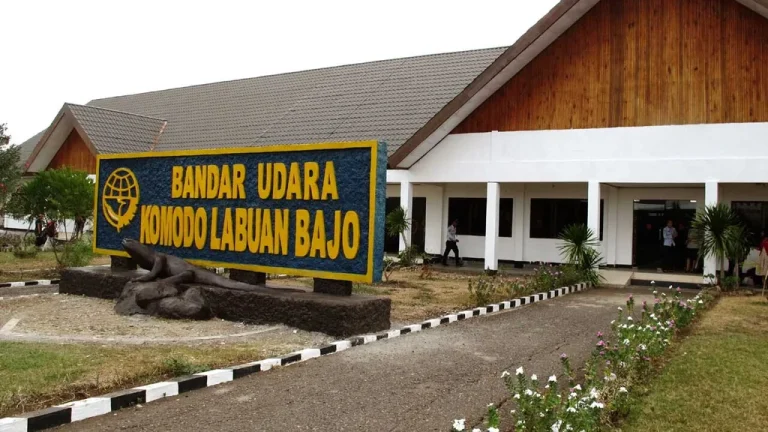
Komodo Airport (LBJ) Arrival Guide
Komodo Airport (IATA: LBJ, officially Komodo International Airport) sits about 2–4 km from Labuan Bajo harbour, a 10–15 minute drive.…
11 min Read -
Overland Route
Maumere Travel Guide: East Flores Gateway
Maumere, capital of Sikka Regency in east Flores, is served by Frans Xavier Seda Airport (MOF) with flights to Kupang,…
10 min Read -
Overland Route
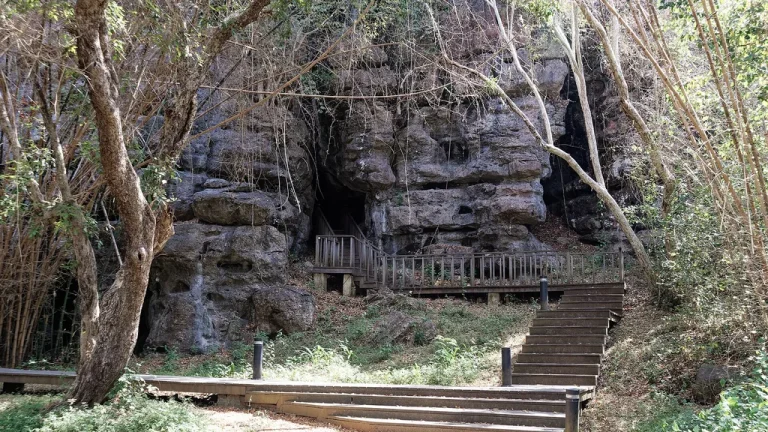
Batu Cermin Cave in Labuan Bajo
Batu Cermin ("Mirror Rock") is a limestone cave about 3–4 km from Labuan Bajo, formed from an ancient coral reef…
10 min Read