

First-time Komodo liveaboard travelers should confirm these essentials before departure: boat class and cabin type, safety equipment (life jackets, fire extinguishers), what’s actually included in the price, wifi expectations (usually minimal or none), seasickness preparation, and a realistic understanding of the shared-bathroom reality on budget boats — this 12-point checklist covers what actually matters before you book.
1. Decide Your Boat Class Before Comparing Prices
Komodo liveaboards range from simple open-deck wooden boats with shared dorm-style sleeping to fully cabined phinisi with private ensuite rooms, and price differences between these tiers are large enough that comparing a budget boat’s price to a premium boat’s price tells you nothing useful. Decide your minimum acceptable comfort level first — shared vs private cabin, shared vs ensuite bathroom, fan vs air conditioning — then compare prices only within that tier. Our liveaboard boats and cabins comparison guide is the detailed reference for exactly what each class includes.
2. Understand What’s Actually Included in the Price
Confirm explicitly whether your quoted price includes: park entrance fees (PNBP), guide fees, all meals, drinking water, snorkeling gear rental, and national park permits — these vary significantly between operators and “cheap” quotes sometimes exclude several of these, making the real total cost higher than it first appears. Ask for an itemized breakdown rather than a single headline number.
3. Ask About Safety Equipment Before You Book
A liveaboard should have life jackets for every passenger, visible fire safety equipment, and a licensed captain and crew — these aren’t unreasonable questions to ask before paying a deposit, and a reputable operator will answer them without hesitation. Our guide to verifying a Komodo tour operator covers the specific questions worth asking and the red flags to watch for.
4. Set Realistic Wifi and Connectivity Expectations
Wifi on Komodo liveaboards ranges from nonexistent to weak and intermittent, even on higher-end boats, since much of the route runs through areas with limited or no cell signal. Mobile data can work at some anchorages but not others, and reception drops entirely on open water between stops. Plan for genuine disconnection over a multi-day trip rather than assuming you’ll stay reachable — this is one of the most consistently underestimated realities for first-time liveaboard travelers.
5. Prepare for Seasickness Before You Board, Not After
Sea conditions in Komodo National Park vary by season and route, and even confident sailors can feel queasy on a longer open-water crossing. Bring seasickness medication with you rather than assuming you can buy it locally once symptoms start, take it preventatively before departure if you have any history of motion sickness, and choose a cabin toward the boat’s center (less pitch and roll) if you have the option. Our seasickness and health guide covers this in more detail.
6. Know the Bathroom Reality on Budget and Mid-Range Boats
Shared bathroom facilities are standard on budget and many mid-range liveaboards, and fresh water for showers is often limited and rationed, especially on longer multi-day trips. Only higher-tier boats offer ensuite private bathrooms with less restricted water use. If a private bathroom is a genuine requirement rather than a nice-to-have, this alone should determine your minimum boat class before you look at anything else.
7. Check the National Park Regulations That Affect Your Trip
Komodo National Park operates under visitor quotas and permit requirements that your operator handles on your behalf, but it’s worth knowing that trekking is only permitted with a licensed ranger, certain zones have access restrictions, and park fees (PNBP) are separate from your boat package price. See our park fees, permits and rules guide for the current regulatory picture.
8. Budget Realistically, Not Just for the Cheapest Boat
The cheapest available liveaboard often reflects real trade-offs — shared facilities, older equipment, less experienced crew — rather than simply being a better deal. Our Komodo boat trip prices guide breaks down what you’re actually paying for at each price point, which is more useful for a first-timer than chasing the single lowest number.
9. Do You Need Diving Certification?
No — liveaboards built around snorkeling and general sightseeing require no certification at all, and many of Komodo’s best sites, including Manta Point, are shallow enough to snorkel rather than dive. Only liveaboards specifically marketed as dive trips with tank/gear inclusions expect certified divers; a standard sightseeing-and-snorkeling liveaboard is open to anyone.
10. Decide: Stay on the Boat or a Hotel in Labuan Bajo?
For trips of two nights or fewer, some first-timers prefer sleeping in a Labuan Bajo hotel and doing day trips by speedboat rather than staying aboard, mainly to avoid the shared-facility and connectivity trade-offs above. For three or more nights, staying aboard usually makes more sense logistically, since it avoids repeated harbor transfers. Neither choice is wrong — it depends on how much the liveaboard experience itself (sunset decks, sleeping at sea) matters to you versus simple convenience.
11. Confirm Booking Lead Time
Good boats, especially mid-range and premium cabined options, book out ahead during the June–September peak season and around major Indonesian holidays. First-timers often underestimate how far ahead popular boats fill — booking at least a few weeks ahead in peak season, and ideally longer for a specific boat class or cabin type, avoids being limited to whatever’s left.
12. Buy Travel Insurance That Actually Covers Boat Activities
Not all travel insurance policies automatically cover boat trips, snorkeling, or activities inside a national park — check your policy’s activity list specifically rather than assuming general travel insurance covers everything. Given the distance from major hospitals in this part of Indonesia, insurance that includes medical evacuation is worth prioritizing over a marginally cheaper policy without it. See our trip cancellation and insurance guide for more.
What should I bring for a liveaboard trip in Komodo?
Seasickness medication, reef-safe sunscreen, a light jacket for cooler evenings and early mornings, a dry bag for electronics, and any personal toiletries — shared-bathroom boats often have limited amenities compared to a hotel.
Do I need diving certification for a Komodo liveaboard?
No, unless the specific liveaboard is marketed as a dedicated dive trip — snorkeling and sightseeing liveaboards require no certification at all.
Is wifi available on Komodo liveaboard boats?
Rarely, and never reliably — plan for genuine disconnection over a multi-day trip rather than assuming consistent signal, even on higher-end boats.
How far in advance should I book a Komodo liveaboard?
At least a few weeks ahead during the June–September peak season and around major Indonesian holidays, since popular boats and specific cabin classes book out first.
Is a budget liveaboard worth it for a first-timer?
It can be, provided you go in with realistic expectations about shared facilities and limited water use — a budget boat is a reasonable way to try the liveaboard format, but confirm safety equipment and licensing regardless of price point.
Last updated: August 26, 2026.
Once the first-liveaboard checklist here has settled your dates, the next move is putting them in front of the desk at Komodo Luxury’s liveaboard charter page.
This site is published by Flores Island Travel, part of Juara Holding Group, which has run travel operations from Bali since 2015 — context worth having when you read the first-liveaboard checklist here. For help choosing the right boat class for your first liveaboard, message WhatsApp at +62 811-3810-8110 or email sales@komodoluxury.com.
Related reading
The first-liveaboard checklist here stops where the logistics begin, and those are picked up at Labuan Bajo tour options. Fixed open-trip dates are published at shared open-trip departures. If you would rather not share the deck with strangers, private trip packages is the format.
Common First-Timer Mistakes and How to Avoid Them
Many travellers make avoidable errors on their first Labuan Bajo liveaboard trips, from choosing the wrong boat type to misjudging costs. One of the most common first-timer mistakes is underestimating the differences between liveaboard and hotel experiences; many assume the comfort of a mid-range hotel, but a budget liveaboard offers closer quarters and shared bathrooms, unlike a vessel with private bathrooms or a luxury boat. Compare the hotel rates in town against what the boats cost, honestly. A budget boat can undercut a decent hotel per night, but you are buying a very different set of comforts.
If you are snorkelling rather than diving, say so when you book. Some routes are built around strong current and deep drop-offs that suit experienced divers and no one else. If easy snorkelling is the point, look for itineraries that include protected bays and calm beaches, and avoid boats aimed purely at technical diving. Similarly, if you lack a dive certification but are tempted by a diving liveaboard, ensure the operator offers snorkelling alternatives or try an introductory dive in a supervised setting.
Run through your documents the night before you sail, not on the jetty. At minimum, you’ll need your passport, park entry ticket, and a valid visa. If diving, bring your certification card. Carry copies (paper or digital) as some boats or park checkpoints request them. Staying ashore keeps the cheap options open — hostels, budget hotels, and basic private rooms in local guesthouses — in a way that a berth on a boat does not. Liveaboard trips, on the other hand, prioritise time on the water and remote island access.
For those comparing departure ports, the choice between Labuan Bajo and Sorong comes down to geography: Labuan Bajo is the gateway for Komodo, while Sorong serves Raja Ampat. Each has distinct marine life and costs. Finally, allow time in town for souvenirs worth carrying home, such as locally made sarongs, pearls, or spice packets—these are widely available in the port area and support local artisans.
More Questions Answered
Is Komodo good for beginner divers?
Yes, Komodo has sites suitable for beginner divers, especially around central and northern islands where currents are milder. However, many famous Komodo dive sites have strong currents best suited for advanced divers. First-timers should pick a liveaboard with an itinerary matched to their certification level and clarify experience requirements before booking.
Is Labuan Bajo worth it?
Labuan Bajo is worth visiting for access to Komodo National Park, diving, snorkelling, and dramatic island scenery. The town itself is small and practical, with basic services and a lively harbour. Most travellers stay 1-3 days before or after a liveaboard, with options spanning cheap hostels to mid-range hotels and waterfront cafes.
What is the Labuan Bajo liveaboard price range?
Prices run from basic shared-cabin boats at the bottom to luxury phinisi with private bathrooms at the top, and the spread between them is wide. Budget trips can cost less than mid-range hotels, while luxury liveaboards may exceed some international resorts—always check what’s included to compare costs fairly.
What are some souvenirs to buy in Labuan Bajo?
Popular souvenirs to buy in Labuan Bajo include handwoven ikat textiles, freshwater pearls, wooden Komodo dragon carvings, and local spices. Markets near the harbour offer a wide range of items, with prices open to bargaining. Packing lightweight items like sarongs or batik makes them easy to carry home.
Keep reading
More from the journal
-
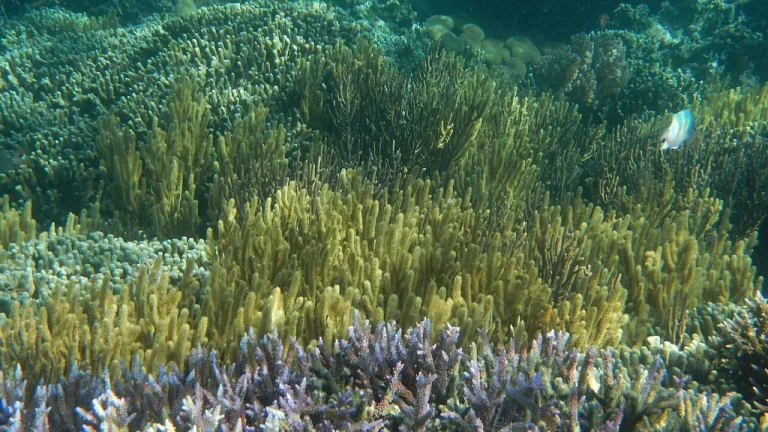
Diving & Marine
Komodo Dive Sites: A Site-by-Site Catalogue
Komodo National Park's headline dive sites — Batu Bolong, Castle Rock, Crystal Rock — have strong, unpredictable currents and suit…
10 min Read -
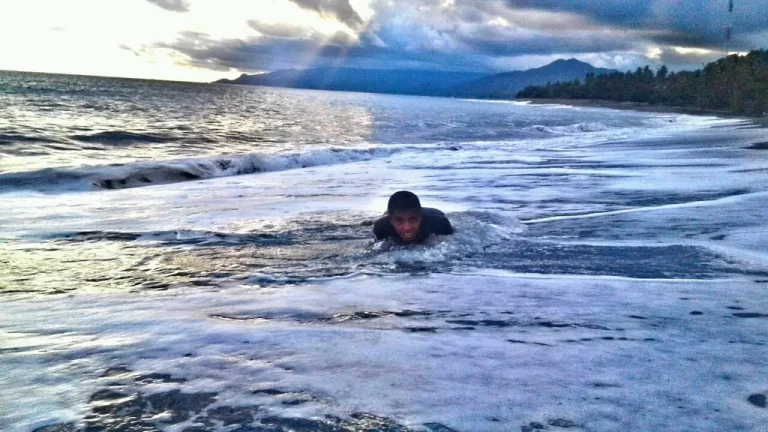
Diving & Marine
Best Beaches on Flores Island
Flores has beaches well beyond the famous Pink Beach inside Komodo National Park — black-sand surf beaches near Maumere, quiet…
11 min Read -
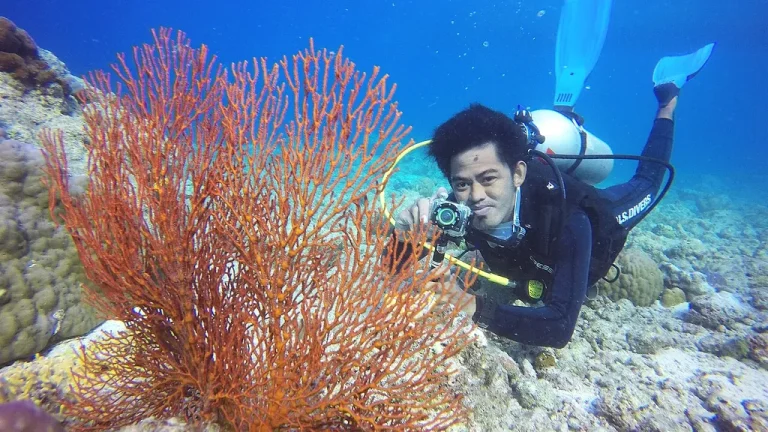
Diving & Marine
PADI Courses in Labuan Bajo: What to Expect
PADI diving courses in Labuan Bajo follow the same global standards as anywhere else in the world — an Open…
11 min Read