
Labuan Bajo to Kelimutu: The Complete Itinerary
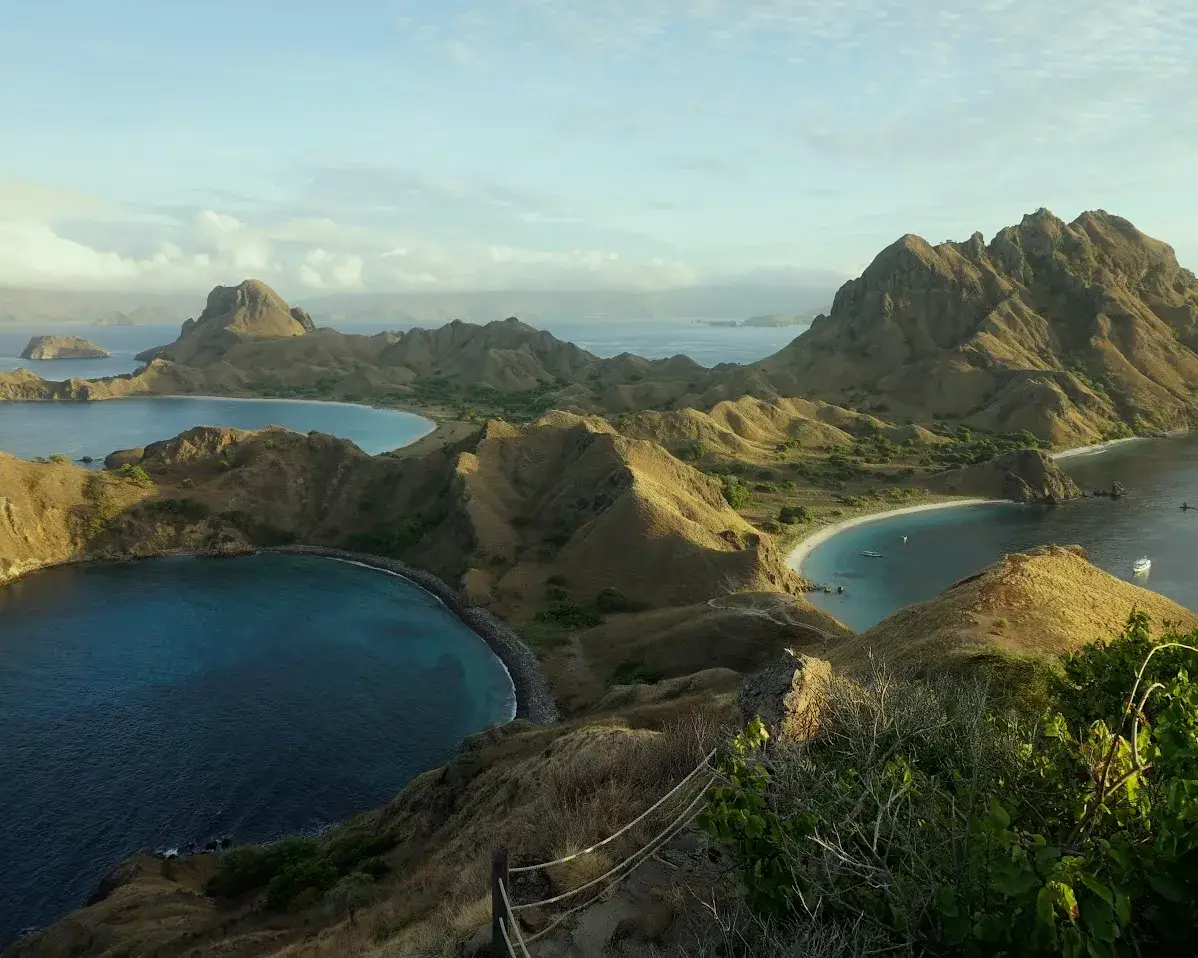
The classic Labuan Bajo to Kelimutu itinerary follows the Trans-Flores Highway west to east through Ruteng, Bajawa, and Ende before ending at the tri-colored crater lakes above Moni — 437 km of mountain road that most travelers spread over 4 to 6 days. The driving alone takes 13 to 15 hours in total, so a 3-day version is possible but rushed, while 4 or 5 days lets you add Wae Rebo village, hot springs, and traditional villages along the way. This guide breaks the route into stages with realistic drive times, overnight stops, and three itinerary variants so you can pick the pace that fits your trip.
Why Drive Labuan Bajo to Kelimutu West to East?
Most overland trips across Flores run west to east for a practical reason: Labuan Bajo has the island’s best flight connections (direct links with Bali and Jakarta via Komodo Airport, code LBJ), while Ende’s small domestic airport lets you fly out at the far end instead of backtracking 13+ hours by road. Starting in Labuan Bajo also means you can combine the drive with a Komodo National Park boat trip before you head inland — the most efficient way to see both sides of Flores in one visit.
As of 2026, the main Trans-Flores Highway is paved for the full route, but it is narrow, winding, and slow. Expect average speeds of 30–40 km/h in the mountain sections, and plan drive times by hours, not kilometers.
The Route at a Glance
| Stage | Approx. Distance | Drive Time | Overnight |
|---|---|---|---|
| Labuan Bajo → Ruteng | 135 km | 4–5 hours | Ruteng (or Denge for Wae Rebo) |
| Ruteng → Bajawa | 130 km | 4–5 hours | Bajawa |
| Bajawa → Ende | 120 km | 4–5 hours | Ende or continue to Moni |
| Ende → Moni (Kelimutu) | 52 km | 1.5–2 hours | Moni |
All distances and times are approximate — road works, rain, and photo stops routinely add an hour to any stage. Build slack into every day rather than planning back-to-back tight connections.
Stage 1: Labuan Bajo to Ruteng (4–5 hours)
The road climbs quickly out of Labuan Bajo’s dry coastal hills into cool, green highlands. Worthwhile stops include the spider-web rice fields at Cancar, shaped by the traditional lingko land-division system, just before Ruteng. Ruteng itself is a tidy hill town with a cool climate — bring a light jacket, as evenings drop noticeably.
If Wae Rebo is on your list (and it should be), this is where the detour happens. The UNESCO-recognized traditional village with its cone-shaped mbaru niang houses is reached from the trailhead near Denge, about 2.5–3 hours’ drive from Ruteng on a rough side road, followed by a 3–4 hour uphill forest trek. Visiting Wae Rebo properly adds a full day and one night to your plan — most travelers either overnight in the village itself or sleep in Denge and trek at first light.
Stage 2: Ruteng to Bajawa (4–5 hours)
This is the most scenic mountain stage: volcano views, deep valleys, and a lunch stop at Aimere on the south coast, known for its traditional arak (palm spirit) production. Bajawa sits at altitude under the cone of Gunung Inerie and is the base for the Ngada traditional villages — Bena is the best known, with its megalithic terraces and ancestral shrines still in active use. Plan the villages for the afternoon you arrive or the following morning, and add the Malanage hot springs, where a hot and a cold river meet, before you continue east.
Stage 3: Bajawa to Ende (4–5 hours)
The highway drops back to the coast and follows a dramatic shoreline of black-sand beaches. The classic stop is Penggajawa (the blue-stone beach), where villagers collect and sort blue-green pebbles for export. Ende is Flores’ largest town and matters for two reasons: it has the region’s fuel, ATMs, and hospitals, and its airport is your exit point at the end of the trip. History-minded travelers can visit the house where Sukarno, Indonesia’s first president, lived in exile in the 1930s.
Stage 4: Ende to Moni and the Kelimutu Crater Lakes
Moni is a small village strung along the road below Kelimutu National Park, about 1.5–2 hours from Ende. Stay overnight here: the crater lakes are best at sunrise, before cloud builds up, and the drive from Moni to the national park car park takes 30–45 minutes, followed by an easy 20–30 minute walk to the summit viewpoint. Kelimutu’s three lakes are famous for changing color independently — shades of turquoise, green, blue, brown, and near-black have all been recorded — due to shifting volcanic mineral activity. No two visits look quite the same, which is precisely the appeal. For the lakes themselves, the timing and the local legends, see our Kelimutu crater lakes sunrise tour page.
Which Labuan Bajo to Kelimutu Itinerary Fits You: 3, 4, or 5 Days?
3 days (the express version). Day 1: Labuan Bajo to Bajawa in one long push (8–9 hours plus stops). Day 2: Ngada villages in the morning, then drive to Moni. Day 3: Kelimutu sunrise, drive to Ende, fly out. This works, but it is mostly windshield time — choose it only if your dates are fixed and you accept skipping Wae Rebo entirely.
4 days (the balanced classic). Day 1: Labuan Bajo to Ruteng with the Cancar rice fields. Day 2: Ruteng to Bajawa with Aimere and an afternoon in Bena village. Day 3: Bajawa to Moni via the blue-stone beach and hot springs. Day 4: Kelimutu sunrise, then transfer to Ende for your flight. This is the itinerary we recommend to most first-time visitors — full days, but nothing brutal.
5 days (with Wae Rebo). Insert Wae Rebo between days 1 and 2: drive from Ruteng to Denge, trek up, sleep in a traditional drum house, trek down at dawn, and rejoin the highway toward Bajawa. Five days is the shortest Labuan Bajo to Kelimutu itinerary that includes Wae Rebo without turning any single day into an endurance test. Travelers with more time often stretch the same route to 6 days for a slower pace. All three variants are available as complete packages on the Flores Overland Tour Packages page for Labuan Bajo.
When Is the Best Time to Do This Route?
The dry season, April through November, is the best window: clearer sunrise views at Kelimutu, safer trekking conditions for Wae Rebo, and no rain-triggered landslides on the mountain stages. The wet season (roughly December to March) does not close the route, but morning cloud over the lakes is more common and side roads — especially the Denge road to Wae Rebo — can deteriorate quickly after heavy rain. If you must travel in the wet, keep the 5-day pace so a lost half-day does not break the whole plan.
Do You Need a Driver, and What Does It Cost?
Yes — for this route, a private car with a local driver is the practical answer. Self-driving is legally possible but the combination of blind hairpins, trucks, free-roaming livestock, and unsignposted detours makes it a poor use of your holiday. Public buses exist but run on loose schedules and skip every worthwhile stop between towns. A dedicated driver also solves the one-way logistics: the car simply returns west after dropping you at Ende airport.
As a rough guide for 2026, a private car with an English-speaking driver on Flores typically costs IDR 700,000–1,500,000 per day including fuel, with this multi-day highland route sitting at the upper end, with accommodation, park fees, and Wae Rebo guide fees on top. Treat these figures as indicative only — confirm a current all-in quote before you book. Details on vehicles, drivers, and what is included are on our Flores private driver page.
Combining the Overland Route with Komodo
The strongest version of a Flores trip pairs both halves of the island: two or three days of boat time in Komodo National Park from Labuan Bajo, then the overland drive east to Kelimutu, flying out of Ende. Running it in this order means one-way travel with no repeated roads and no backtracking — you see dragons, reefs, crater lakes, and traditional villages in a single continuous arc across the island.
Ready to Plan Your Flores Overland Trip?
If the west-to-east itinerary above has convinced you, the booking runs through Komodo Luxury’s Labuan Bajo tour desk.
The overland leg east is fixed by road time; the sea leg at the Labuan Bajo end is the flexible part. A day in the park before the driving starts has its own page on Komodo boat tours. If you would rather sail first and drive afterwards, the multi-night formats are at the Komodo liveaboard listing. Larger groups travelling with their own driver often charter a hull whole for the sea days: Labuan Bajo yacht rental.
Planning a Two-Week Route Across Flores
Two weeks is enough to cross Flores west to east without hurrying: a liveaboard through Komodo National Park, the overland run to Kelimutu, and room for the places most itineraries skip — Riung, the Soa hot springs, the Ngada village of Bena. It also buys the thing shorter trips never have, which is slack: time to acclimatise between the coast and the highlands, to take a side road, or to add a night in Bajawa or Moni because the day was good.
One week means choosing. The workable shape is a Komodo excursion of two or three days, then four or five days on the road east, sleeping in Ruteng, Bajawa and Ende before reaching the crater lakes at Moni. It moves fast and it does not double back, which is the main thing.
Ten days sits in between and is the version most people enjoy most: three days around Komodo, five or six crossing the island, and an extra night near Kelimutu so the sunrise climb is not attached to a long drive. That one spare day absorbs the unplanned stop and removes the marathon driving stage, which matters more if you are not travelling by private car.
Transport shapes everything else. A private car with driver is the flexible option — you can stop where you like — and the most expensive. The budget route is public transport: bemos, shared minibuses and intermittent buses, with changes at Ruteng, Bajawa and Ende. Shared vans run daily but do not connect neatly, and a missed link or a full vehicle can stretch the journey across several extra days. Over Indonesian holiday periods, book ahead.
Frequently Asked Questions
How do I travel from Labuan Bajo to Kelimutu?
You can travel from Labuan Bajo to Kelimutu by private car with driver, self-drive rental, or public transport like shared minibuses and buses. The route covers 437 km and takes at least two full days, but most travellers stretch it over 4–5 days to visit highlights along the way.
What is the best way to get from Labuan Bajo to Ruteng?
The best way to reach Ruteng from Labuan Bajo is by private car and driver, as this allows stops at places like Cancar’s spider web rice fields. The drive is about 4 hours on winding mountain roads. Shared minivans leave in the morning from Labuan Bajo’s main terminal but can take longer due to stops.
Komodo Luxury sells this whole west-to-east run as one itinerary — Komodo boat trip, private car and driver, hand-picked overnight stops, Wae Rebo trek, and the Kelimutu dawn — instead of five separate reservations you have to keep in sync yourself. Send Komodo Luxury your dates and how many days you have, and the desk returns a tailored day-by-day plan with a transparent quote. Message Komodo Luxury on WhatsApp at +62 811-3810-8110 or email sales@komodoluxury.com to start planning.
Keep reading
More from the journal
-
Kelimutu & Ende
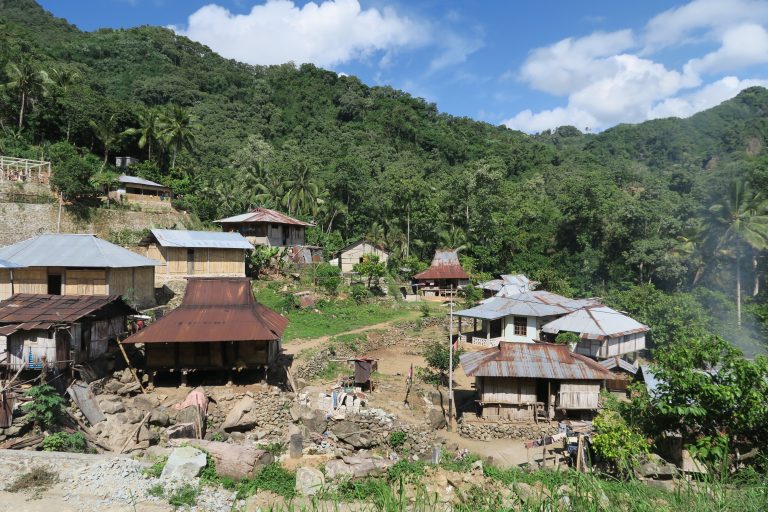
Moni Village Guide: Your Base for Kelimutu
Homestay prices, food, waterfalls, and Ende–Moni transport costs in Moni village, Flores — plus how many nights to stay for…
11 min Read -
Kelimutu & Ende
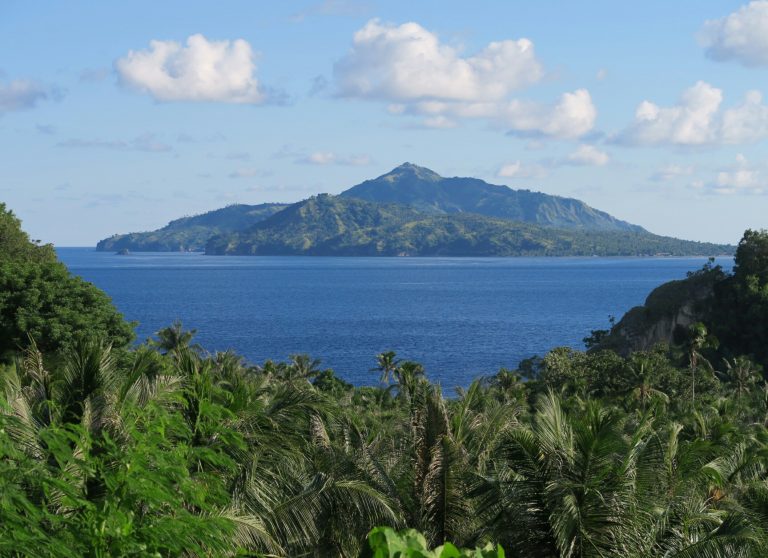
Ende Travel Guide: Flores’ Overlooked Coastal Hub
Ende Flores travel guide: airport access, the blue-stone beach, Sukarno's exile house, and Ende–Moni transfer prices for your sunrise Kelimutu…
10 min Read -
Kelimutu & Ende
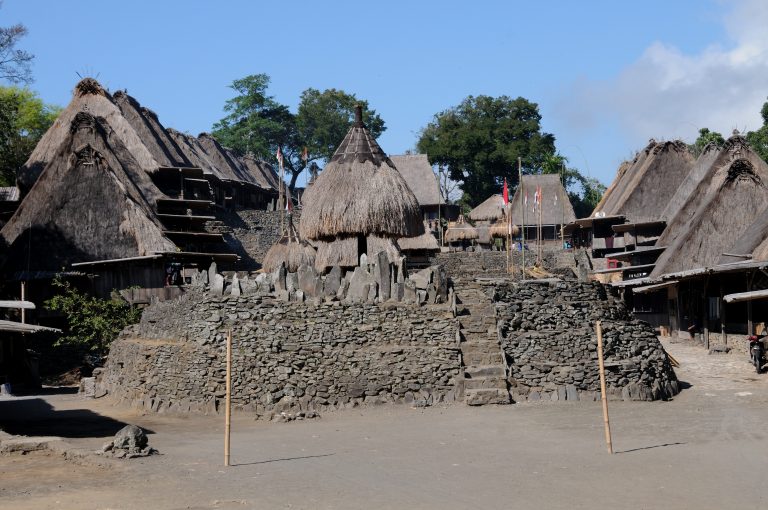
Bajawa Travel Guide: Hot Springs, Villages and Inerie
Plan Bajawa in Flores: Malanage and Mangeruda hot springs, Bena and Luba villages, Mount Inerie climb, coffee culture and where…
11 min Read