
Moni Village Guide: Your Base for Kelimutu
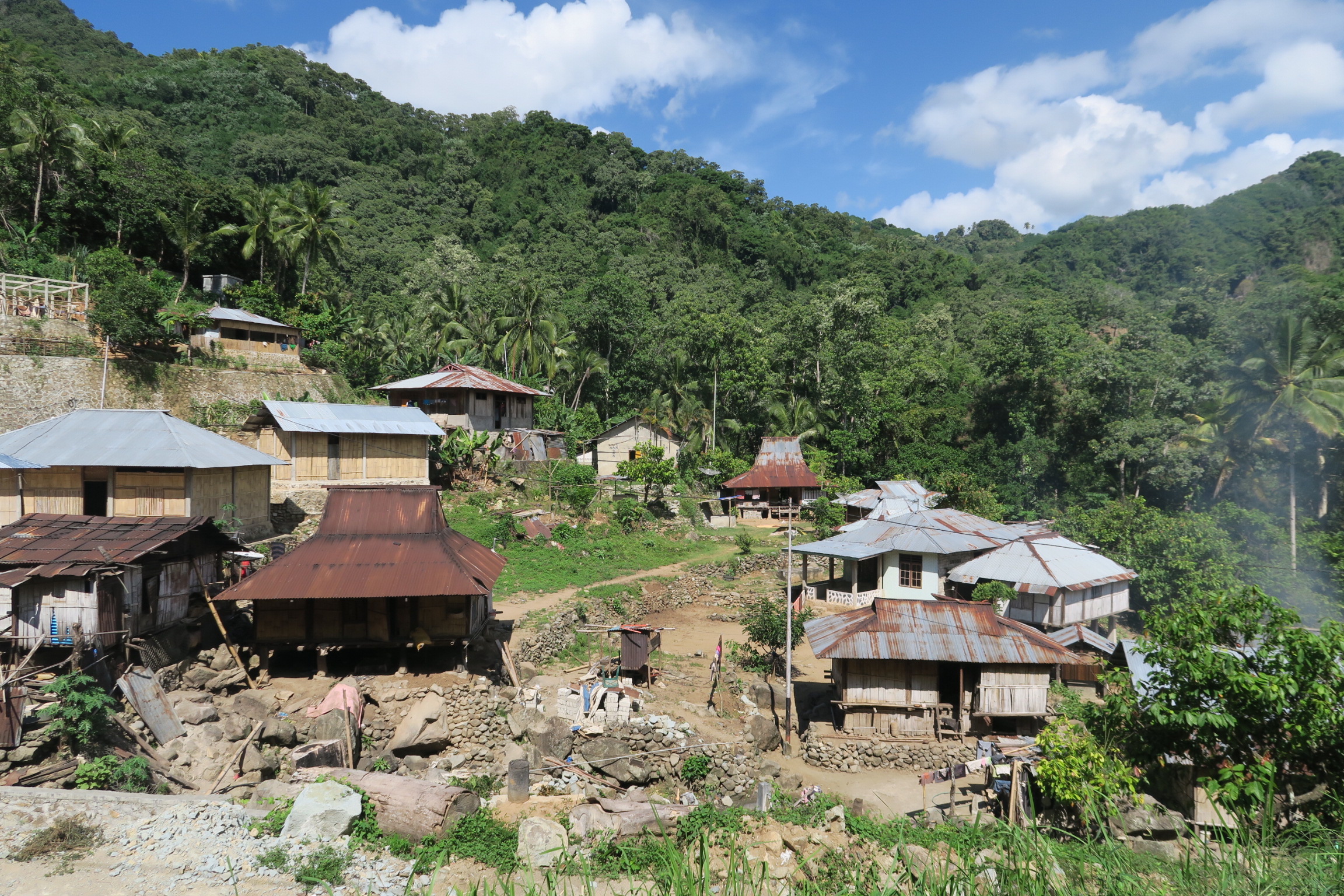
Moni village, Flores is the standard overnight base for Kelimutu’s three colored crater lakes, and as of 2026 a homestay here costs roughly IDR 150,000–300,000 per night for a simple room, IDR 300,000–600,000 for a mid-range guesthouse with hot water and breakfast, and IDR 700,000–1,500,000 for the few comfortable valley-view lodges. Getting here from Ende, the nearest airport town, runs from about IDR 50,000 on a public bus to IDR 600,000–800,000 for a private car with driver. Two nights is the ideal stay: one for the pre-dawn crater trip, one as a buffer in case fog covers the lakes. All prices in this guide are indicative planning figures, not quotes — they shift with the season and the fuel price, and most places in Moni still operate on cash.
Moni itself is tiny: a string of guesthouses, warungs, and family compounds along the Trans-Flores highway, surrounded by rice terraces and forested ridges. It exists on travel itineraries for one reason — it is the closest sleeping point to Kelimutu National Park — but travelers who give it a full day usually leave calling it a highlight of the island, not just a staging post.
How Much Are Homestays Near Moni and Kelimutu?
Accommodation in Moni falls into three practical tiers. There are no international chains and no true luxury hotels; the top end here is a well-run lodge with a hot shower, a terrace view, and a proper breakfast.
| Tier | Indicative price per night (2026) | What you typically get |
|---|---|---|
| Basic homestay | IDR 150,000–300,000 | Fan room in a family compound, shared or simple private bathroom, often cold-water mandi, simple breakfast |
| Mid-range guesthouse | IDR 300,000–600,000 | Private bathroom, hot water, Wi-Fi in common areas, breakfast included, help arranging sunrise transport |
| Top-end lodge or bungalow | IDR 700,000–1,500,000 | Valley or rice-terrace views, better bedding, restaurant on site, English-speaking staff |
A few practical notes. First, only a fraction of Moni’s rooms appear on online booking platforms; many of the best-value family homestays are walk-in only, so arriving by early afternoon gives you time to compare two or three. Second, in the July–August peak of the dry season the village genuinely fills up — if your dates are fixed, book ahead or travel with an operator who has rooms blocked. Third, nights are cool at this altitude (the village sits at roughly 600–800 m), so a room with a thick blanket matters more than one with air conditioning, which almost nowhere has or needs.
Where Is Moni Village, Flores — and Why Stay There?
Moni village, Flores sits on the Trans-Flores highway about 50 km northeast of Ende, in the Kelimutu district of Ende Regency. The entrance road to Kelimutu National Park begins at the edge of the village; from there it is roughly 13 km of winding asphalt to the summit car park, then a 20–30 minute walk up stone steps to the viewpoint over the three lakes.
That geography is the whole argument for staying here. Kelimutu is overwhelmingly a sunrise destination — the lakes are clearest in the first hours of daylight, before cloud builds over the caldera — and Moni is the only base close enough to make a 4:00–4:30 AM departure painless. Guesthouses arrange ojek (motorbike taxi) rides for roughly IDR 100,000–150,000 round trip, or a shared car for around IDR 300,000–400,000 per vehicle, indicative as of 2026. Budget an additional national park entrance fee of Rp 150,000 flat for foreign visitors — the same on weekdays, weekends and public holidays (PP No. 36/2024); fees do change, so confirm locally or with your operator. For a full breakdown of the crater experience itself — the science behind the changing lake colors, the sunrise logistics, the best viewpoints — see our Kelimutu crater lakes tour page.
How Do You Get Between Ende and Moni?
Ende has the nearest airport, with short domestic hops connecting toward Labuan Bajo and other Indonesian hubs, and the Ende–Moni road is one of the prettier stretches of the Trans-Flores highway. Indicative options as of 2026:
- Public bus or bemo: roughly IDR 50,000–100,000 per person, about 2–3 hours with stops. Cheap, atmospheric, slow, and luggage rides on your lap or the roof.
- Shared travel car: roughly IDR 100,000–150,000 per seat when available. Faster than the bus, still inexpensive; your guesthouse can usually phone one.
- Ojek (motorbike taxi): roughly IDR 150,000–250,000. Fine for light packers who enjoy the ride.
- Private car with driver: roughly IDR 600,000–800,000 per vehicle, about 1.5–2 hours door to door. The sensible choice for couples, families, or anyone landing at Ende on a midday flight who wants to reach Moni in time to look at rooms.
Coming from the west instead — Labuan Bajo, Ruteng, or Bajawa — you are looking at one to three additional travel days along the highway, which is exactly why most visitors fold Moni into a multi-day overland trip rather than treating it as a standalone hop.
What Else Is There to Do Around Moni?
The classic mistake is treating Moni as a one-sunrise stop. The village rewards a slow day:
- Murundao waterfall: a short walk from the village center, a small single-drop fall with a swimmable pool. Expect a modest donation or entrance contribution to the local community.
- Walk down from Kelimutu: instead of driving both ways, many travelers ride up for sunrise and then walk the old trail back down to Moni through forest, gardens, and hamlets — two to three unhurried hours, mostly downhill, and the best way to see rural Flores at walking pace.
- Rice-terrace and village strolls: the valley around Moni is laced with paths through paddies and clove and candlenut gardens. No tickets, no crowds; a local guide arranged through your homestay adds context for a negotiable fee.
- Ikat weaving: women in and around Moni still weave the region’s distinctive ikat textiles on backstrap looms, and several compounds welcome visitors to watch and buy directly. Buying here puts money straight into the household that made the cloth.
What Is the Food Like in Moni?
Simple and honest. A dozen or so warungs and traveler cafes line the highway strip, serving Indonesian staples — nasi goreng, mie goreng, grilled chicken, sauteed water spinach, fresh-caught lake and river fish on good days — with mains typically IDR 25,000–60,000 as of 2026. A few cafes cater to the overland crowd with banana pancakes, omelets, and proper Flores coffee. Vegetarians manage easily; strict dietary needs take more planning. Two practical warnings: kitchens close early, often by 8:30–9:00 PM, and ATM access in Moni is unreliable — withdraw what you need in Ende before heading up.
How Many Nights Should You Stay?
Two nights is the ideal. Arrive in the afternoon, sleep early, do the sunrise trip on your full day, walk down through the villages, swim at the waterfall, and leave the following morning. The second night is not padding — it is insurance. Kelimutu sits in a cloud belt, and even in the April–November dry season the caldera can be fogged in at dawn; a second morning gives you a realistic retry. One night works if your schedule is tight and you accept the weather risk. Three nights suits photographers and slow travelers who want the valley walks without watching the clock. If you are deciding between seasons, the dry months of April through November offer the best odds of a clear sunrise over the lakes.
How Does Moni Fit Into a Flores Overland Itinerary?
For most travelers, Moni village, Flores is the eastern anchor of the classic Trans-Flores route: Labuan Bajo → Ruteng and the UNESCO-recognized traditional village of Wae Rebo → Bajawa’s Ngada villages and volcanoes → Ende → Kelimutu, covered in four to six days. Run west-to-east, you finish with the sunrise over the lakes and fly out of Ende or continue to Maumere; run east-to-west, you start with Kelimutu and end among the dragons and islands of Komodo National Park. Either direction, the road itself — switchbacks, volcano views, roadside coffee stops — is half the experience. The Flores overland tour package from Labuan Bajo covers the full route with private car, driver, and accommodation arranged end to end, and it can be combined with a Komodo boat trip on the Labuan Bajo side so the whole island is handled in one booking.
Plan Your Kelimutu and Flores Trip
Reading costs nothing; the reservation is made at Komodo Luxury’s Labuan Bajo tour packages.
Everything above — the Moni base-village rundown here — assumes you are still comparing, and the step after comparing is one-day Komodo trip packages. If splitting the boat with other guests is acceptable, shared open-trip departures is the cheaper route — worth a look once the Moni base-village rundown here is settled. Travellers arriving at Komodo overland from Moni rarely turn up on the day a shared boat happens to leave, so the whole-vessel option — where the departure date is yours to set — is usually the practical one, and it is priced under private trip packages.
Choosing and Booking Moni Accommodation Near Kelimutu
Most travellers looking for Moni village accommodation find that options cluster along the main road within walking distance of the bus stop and the Kelimutu park turn-off. The majority of Moni village hotels near Kelimutu are family-run guesthouses or small bungalow compounds, rather than purpose-built hotels. Very few properties offer online booking, so it is common to arrive and check a selection in person, particularly outside peak season.
The best homestays in Moni Kelimutu stand out for warmth and personal attention rather than luxury. Rooms tend to be basic but clean, with mosquito nets and thick blankets, and often come with a simple home-cooked breakfast. If you value a view, look for lodges perched on the valley rim. For hot water and Wi-Fi that works, take one of the newer guesthouses, at the cost of a little of the village character.
Comparing places to stay near Kelimutu comes down to which one you want: the price, the privacy, or the plumbing. Top-end lodges have the best terraces and restaurant access, while the cheapest homestays run on informal arrangements. In July and August, advance booking is advisable for any accommodation in Moni above basic level. For the most choice, arrive by early afternoon and walk a few minutes off the main road—hidden gems are rarely signposted.
Moni village things to do are not limited to sunrise at the crater. Beyond Kelimutu, you can trek to the nearby waterfall from Moni, bathe in hot springs on the valley floor, or join a coffee roasting session with local families. Small guided walks introduce edible plants and local weaving. The village market (on Mondays) is worth a visit for fresh fruit and a glimpse of highland life.
Frequently Asked Questions
How to get to Moni Flores?
To reach Moni Flores, take a public bus or shared car from Ende, the nearest airport town, some 50 km west. The journey follows the Trans-Flores Highway and takes roughly 2 hours. Buses depart several times daily, but private hire is more flexible if you have luggage or arrive late.
What are Moni village things to do besides Kelimutu?
Aside from Kelimutu, travellers can visit Moni's Monday market, hike to Air Terjun Murundao waterfall, soak in Waturaka hot springs, or join a weaving lesson in a local home. Guided coffee roasting is also possible. Activities are best arranged a day ahead through your guesthouse.
Are there ATMs or card payments in Moni?
ATMs are unreliable or absent in Moni, and nearly all guesthouses, shops, and warungs deal in cash only. Bring enough Indonesian rupiah from Ende or Maumere to cover your entire stay, including accommodation, meals, park fees, and transport. Card payments are not accepted.
When is the best time to visit Moni and Kelimutu?
The best time to visit Moni and Kelimutu is April to November, during the dry season. Morning visibility is highest and evenings are cool but pleasant. July and August are busiest; book ahead for mid-range or high-end rooms. Wet season (December to March) brings frequent fog and slippery trails.
Moni is easy to enjoy and easy to get slightly wrong — a missed room in peak season, a fogged-out single morning, a bus connection that eats a day. If you would rather have the rooms, drivers, park timing, and a Kelimutu sunrise tour arranged before you land, the Komodo Luxury desk plans complete Flores overland and Komodo itineraries end to end. Komodo Luxury is part of Juara Holding Group, operating from Bali across Indonesia since 2015. Message Komodo Luxury on WhatsApp at +62 811-3810-8110 or email sales@komodoluxury.com with your dates, and they will map the route, the nights in Moni, and everything between Labuan Bajo and the crater lakes for you.
Keep reading
More from the journal
-
Kelimutu & Ende
Ende Travel Guide: Flores’ Overlooked Coastal Hub
Ende Flores travel guide: airport access, the blue-stone beach, Sukarno's exile house, and Ende–Moni transfer prices for your sunrise Kelimutu…
10 min Read -
Kelimutu & Ende
Bajawa Travel Guide: Hot Springs, Villages and Inerie
Plan Bajawa in Flores: Malanage and Mangeruda hot springs, Bena and Luba villages, Mount Inerie climb, coffee culture and where…
11 min Read -
Kelimutu & Ende
Kelimutu Sunrise from Moni: Times, Costs and Tips
Exact wake-up times, ojek and car costs from Moni, entrance fees, viewpoint walk, best months and drone rules for the…
11 min Read