
Kelimutu Sunrise from Moni: Times, Costs and Tips
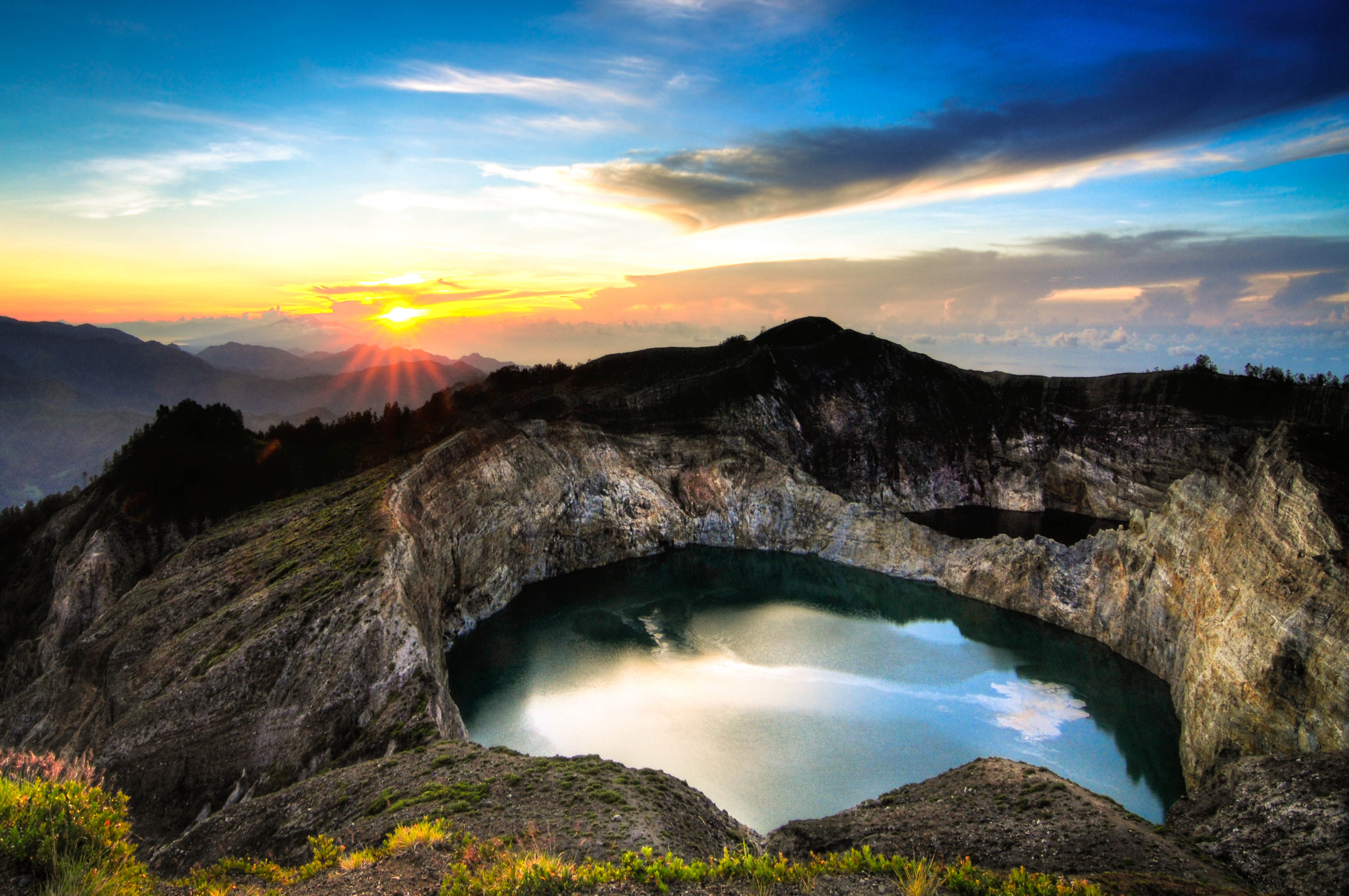
Watching the Kelimutu sunrise from Moni comes down to three numbers: leave the village between 4:00 and 4:30 AM, budget roughly IDR 300,000–700,000 per person all-in for transport and park tickets, and expect first light over the tri-coloured crater lakes between about 5:30 and 6:00 AM. The drive from Moni up to the national park entrance takes 30–45 minutes, followed by a 20–30 minute walk to the summit viewpoint. In the dry season (April–November) your odds of a clear sunrise are good; in the wet season, fog is a real gamble.
This guide covers the exact timings, ojek and car costs from Moni, entrance fees, what the viewpoint walk is like, month-by-month weather odds, and the drone rules — everything you need to plan the morning properly, whether you are travelling independently or as part of a longer Komodo Luxury Flores overland tour package.
What Time Should You Leave Moni for Sunrise at Kelimutu?
Sunrise on Flores falls between roughly 5:30 and 6:00 AM year-round, because the island sits close to the equator. Working backwards, this is the timeline most travellers follow:
| Time | What happens |
|---|---|
| 3:45–4:15 AM | Wake up in Moni; most homestays will prepare coffee or a packed breakfast if you ask the night before |
| 4:00–4:30 AM | Depart Moni by ojek (motorbike taxi) or car — about 13 km of winding uphill road to the park entrance |
| 4:45–5:00 AM | Arrive at the ticket gate and parking area, buy or show tickets |
| 5:00–5:30 AM | Walk the trail and stone steps to the summit viewpoint (about 20–30 minutes at an easy pace) |
| 5:30–6:00 AM | First light, then sunrise over the three crater lakes |
| 6:30–7:30 AM | Explore the other lake viewpoints in full daylight, then head down before mid-morning cloud builds |
The single most common mistake is leaving too late. Even a 20-minute delay can mean watching the colours change from the trail instead of the summit. If sunrise photography matters to you, aim for the earlier end of every window — being at the viewpoint 30 minutes before sunrise is far better than arriving as the sun breaks the horizon.
How Much Does the Kelimutu Sunrise from Moni Cost?
A Kelimutu sunrise from Moni is one of the more affordable big-ticket experiences in Indonesia. As of 2026, these are realistic indicative figures — treat them as a planning guide, not a quoted price, because Indonesian national park fees and local transport rates are revised periodically:
| Item | Indicative cost (per person) |
|---|---|
| Kelimutu National Park entrance (international visitor) | Rp 150,000 flat — same on weekdays, weekends and public holidays (PP No. 36/2024) |
| Entrance (Indonesian visitor) | Rp 10,000 on weekdays / Rp 15,000 on weekends and public holidays |
| Ojek from Moni, round trip with waiting | Roughly IDR 100,000–200,000 |
| Private car charter from Moni, round trip | Roughly IDR 400,000–600,000 per vehicle, split between passengers |
| Parking / vehicle entry fee | Small additional charge, usually under IDR 20,000 |
| Local guide (optional) | Negotiable; not required for the sunrise walk |
Confirm the current ticket price at the gate or with your homestay the evening before, and carry cash in rupiah — card payment is not something to count on at the park entrance, and there is no reliable ATM in Moni itself. Ende, about two hours away, is the nearest town for cash and supplies.
A guide is genuinely optional here: the trail is clear, well-trodden and shared with plenty of other visitors at sunrise. Where a guide or organised tour earns its keep is context — the local Lio beliefs about the lakes, the science behind the colour changes, and seamless logistics across the island. That is the gap a structured Kelimutu Crater Lakes Tour fills.
What Is the Walk from the Parking Area Like?
From the parking area, a stone-paved trail climbs gently through montane forest before a final staircase to the main summit viewpoint, often called Inspiration Point. It is about 1.5 km each way. Most reasonably fit visitors do it in 20–30 minutes; allow 40 if you prefer a slow pace or want photo stops. This is not a trek — trainers are fine, hiking boots unnecessary.
Two practical notes. First, it is dark: bring a headlamp or use your phone torch, as the trail is unlit. Second, it is cold. The summit sits at 1,639 metres, and pre-dawn temperatures commonly drop to 10–15°C with wind chill on the exposed viewpoint. A fleece or light down jacket that seems absurd in coastal Flores will feel essential up here. Vendors near the summit usually sell hot ginger tea, coffee and instant noodles — one of the great small pleasures of the morning.
Which Months Give the Best Sunrise Odds?
Kelimutu sits high enough that cloud and fog, not rain, are the main threat to your view. Month by month, the picture as of 2026 looks like this:
- July–August: the driest, most reliable months, with clear mornings the norm. Also the coldest and busiest — expect a crowd at Inspiration Point.
- May–June and September–October: excellent shoulder months. Odds of a clear sunrise remain high, with noticeably fewer visitors than peak season.
- April and November: transition months. You can get spectacular clear mornings or a wall of fog; roughly even odds.
- December–March: the wet season. Fog frequently sits on the summit at dawn, and some mornings the lakes never appear at all. It is still worth trying if you are already in Moni — but do not build a tight itinerary around a guaranteed view.
One rule applies in every month: cloud builds from mid-morning onwards. Even on a foggy dawn, conditions sometimes clear briefly between 6:00 and 8:00 AM, so be patient at the summit rather than giving up at first light. Conversely, arriving at 9 or 10 AM — tempting after a long overland drive — carries the worst odds of the day.
Can You Fly a Drone at Kelimutu?
Not freely. Kelimutu is a national park, and as of 2026 drone flights inside Indonesian national parks require prior permission from the park authority — for Kelimutu, that means arranging approval through the national park office in advance, not on arrival at the gate. Rangers do check, and flying without permission risks having the drone grounded or confiscated and can lead to fines. The lakes are also a site of deep spiritual significance to the local Lio people, who believe them to be a resting place of ancestral spirits, so discretion matters beyond the regulations. If aerial footage is essential to your trip, tell your tour operator well ahead of time so the paperwork can be attempted — and have a plan B, because approval is never guaranteed.
Practical Tips for a Smooth Sunrise Morning
- Arrange transport the night before. Moni is a small village; your homestay can book an ojek or car in minutes, and 4 AM is not the time to go looking for a driver.
- Carry small cash. Tickets, ojek, parking and summit coffee are all cash transactions.
- Layer up. T-shirt weather returns by 8 AM, but the pre-dawn summit is genuinely cold.
- Stay behind the barriers. The crater rims are unstable and drop steeply to the lakes; fatal falls have occurred at volcanic viewpoints across Indonesia when people climbed past railings for photos.
- Check the lake colours with curiosity, not expectation. The three lakes shift between turquoise, green, blue, brown and near-black over months and years due to volcanic mineral activity. Whatever colours you find are the colours of your visit — no two trips see quite the same Kelimutu.
- Spend two nights in Moni if you can. A buffer night doubles your chances of catching a clear morning in marginal seasons.
How Kelimutu Fits into a Flores Overland Trip
Very few travellers come to Moni for Kelimutu alone. The classic route runs the Trans-Flores highway from Labuan Bajo in the west — the gateway to Komodo National Park — through Ruteng and the UNESCO-recognised traditional village of Wae Rebo, then Bajawa with its Ngada villages and volcanoes, on to Ende, and finally up to Moni for the Kelimutu sunrise. Done properly, that is a 4–6 day journey, and the sunrise makes a natural grand finale before flying out of Ende, or the dramatic opener if you run the route in reverse toward Labuan Bajo and a Komodo boat trip.
If you would rather not stitch together drivers, homestays and timings across half an island, the end-to-end Trans-Flores overland package covers the full route with one driver-guide, and can be combined with a dedicated Kelimutu Crater Lakes Tour and Komodo sailing extension into a single seamless itinerary.
The sunrise timing detail here is written to be used without booking anything, but travellers who would rather not self-manage it can start at Komodo Luxury’s Labuan Bajo tour packages.
Nothing on this page books a seat. one-day Komodo trip packages does. On a tighter budget, the shared-cabin departures at shared open-trip departures cover the same stops. For a deck with nobody else on it, private trip packages is the format.
Where to Stay and How to Prepare for Kelimutu Sunrise
Many visitors underestimate the importance of choosing the right accommodation in Moni village, Flores, for Kelimutu sunrise. Moni has a range of small homestays and guesthouses clustered along the main road. The best hotels in Moni for Kelimutu visit generally combine early breakfast options, reliable hot showers, and are willing to arrange pre-dawn transport. Book ahead in the dry season (April–November), as rooms close to the central strip fill quickly with sunrise travellers.
Moni to Kelimutu transportation is straightforward but requires advance planning. Most travellers opt for an ojek (motorbike taxi) or a private car, both of which can be organised easily through your accommodation the night before. Solo travellers typically pay less by joining others, but in the early hours, expect ojek and car drivers to set a flat rate for the journey rather than using a meter. Car hire suits groups of three or more and is especially useful during the wetter season, when road conditions can be slippery.
A few things are worth knowing before the alarm goes off. Bring a head torch, as there is no lighting on the path or in the car park. Mornings at the summit are surprisingly cold—layers and a windproof jacket are essential. A thermos of coffee and a snack are practical, as the limited stalls by the parking area rarely open before 7am. Mobile signal at the summit is patchy, so download maps or offline information before you leave Moni.
Staying in Moni village, Flores, Kelimutu sunrise is by far the simplest route to make the experience stress-free. If your hotel offers breakfast-to-go, request it in advance to save time. Some properties can also pre-arrange your park ticket, allowing you to skip the main queue at the entrance. Being based in Moni means you can catch a brief nap after sunrise before continuing your Flores itinerary.
Frequently Asked Questions
Where to stay in Moni for Kelimutu sunrise?
Choose accommodation on Moni’s main road within walking distance of ojek or car pickup points. Properties with early breakfast, hot water, and flexible check-in are best. Book ahead from May to October, especially for sunrise-focussed guesthouses. Avoid staying too far east or west of the centre, as transport becomes less reliable before dawn.
Do I need a guide for Kelimutu?
No, a guide is not required for Kelimutu sunrise or daytime visits. The path from the parking area to the summit is clearly marked and takes 20–30 minutes. Most travellers visit independently, but local guides are on hand at the entrance for those wanting extra context or support, especially during school holidays or peak months.
Can I hike Kelimutu lake without a guide?
Yes, you can hike to Kelimutu lake without a guide. The main trail is straightforward and paved, with signs at junctions. In the dry season, visibility is good and the route is busy with other visitors. Bring your own torch for the pre-dawn walk, as there is no lighting until sunrise.
What are the best hotels in Moni for Kelimutu visit?
Top choices are hotels or homestays that open early, offer transport bookings, and provide reliable hot water. Many guesthouses near the main road arrange sunrise departures. Rooms with mountain views or balconies are popular, but basic lodging is common. Reserve in advance during July–September, when demand peaks.
Ready to lock in your sunrise morning? Message the Komodo Luxury team on WhatsApp at +62 811-3810-8110 or email sales@komodoluxury.com for current prices and a tailored Flores itinerary. Part of Juara Holding Group — operating from Bali across Indonesia since 2015.
Keep reading
More from the journal
-
Kelimutu & Ende
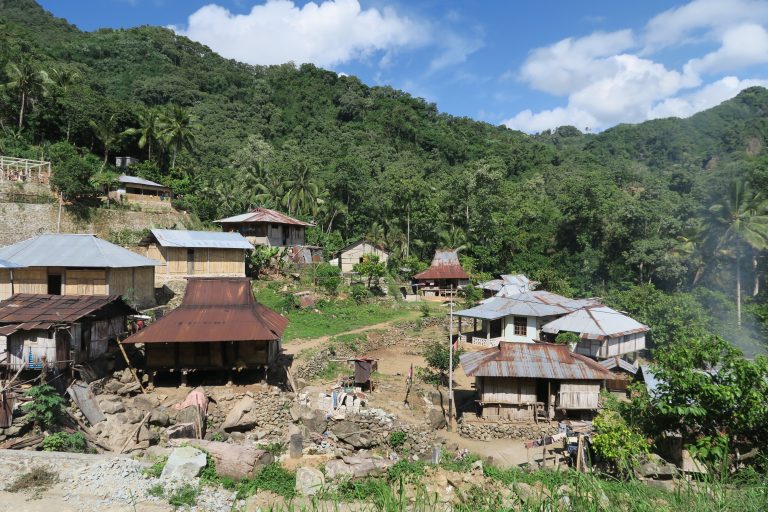
Moni Village Guide: Your Base for Kelimutu
Homestay prices, food, waterfalls, and Ende–Moni transport costs in Moni village, Flores — plus how many nights to stay for…
11 min Read -
Kelimutu & Ende
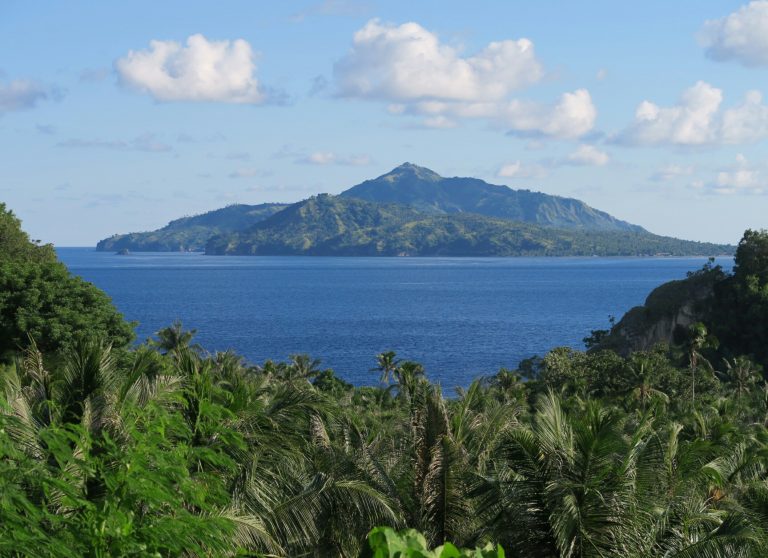
Ende Travel Guide: Flores’ Overlooked Coastal Hub
Ende Flores travel guide: airport access, the blue-stone beach, Sukarno's exile house, and Ende–Moni transfer prices for your sunrise Kelimutu…
10 min Read -
Kelimutu & Ende
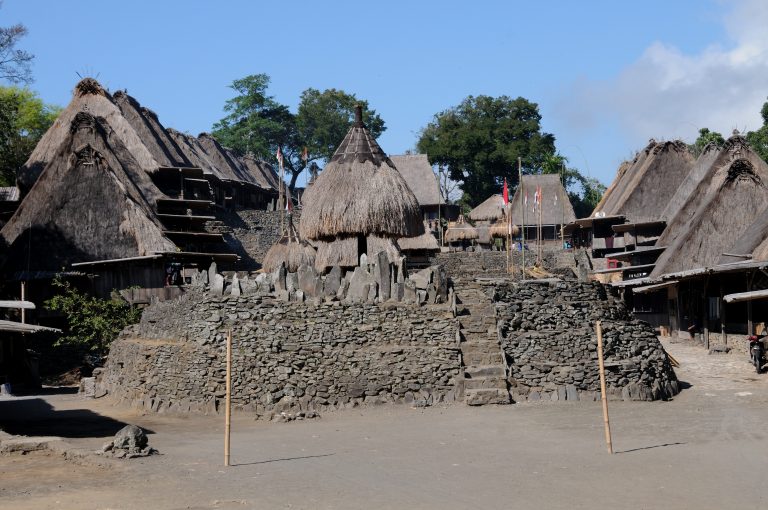
Bajawa Travel Guide: Hot Springs, Villages and Inerie
Plan Bajawa in Flores: Malanage and Mangeruda hot springs, Bena and Luba villages, Mount Inerie climb, coffee culture and where…
11 min Read